Reading Response 5: Sociability

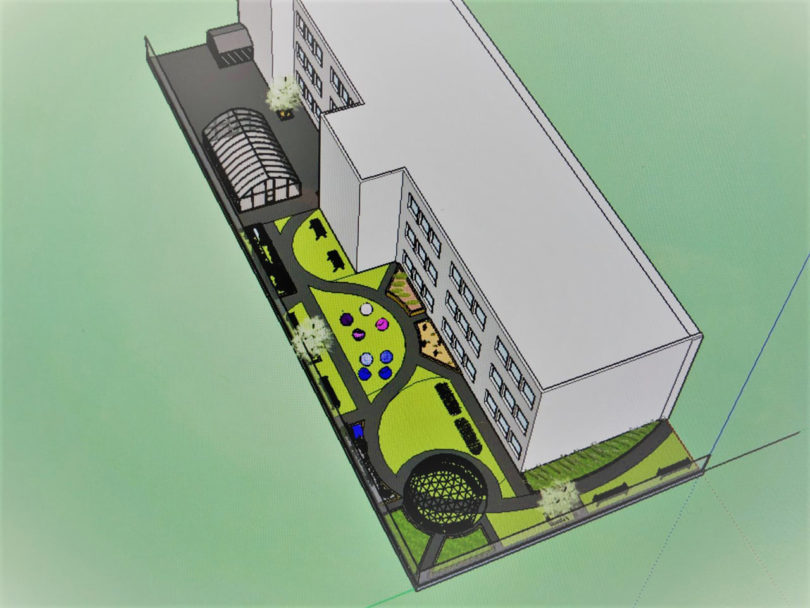
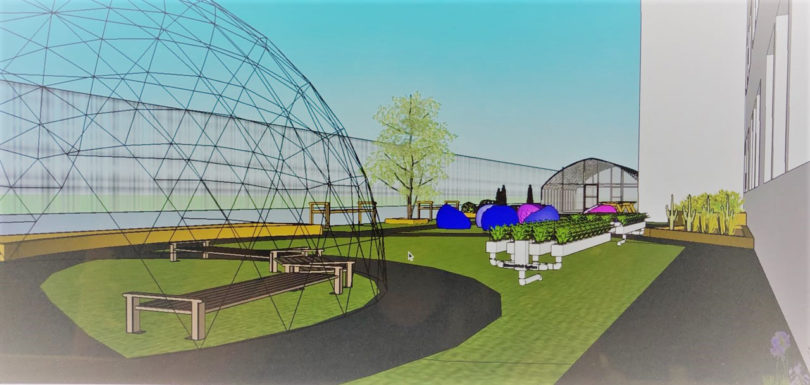
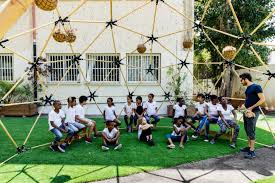
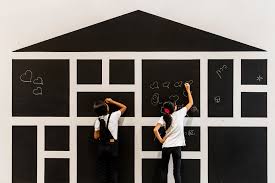
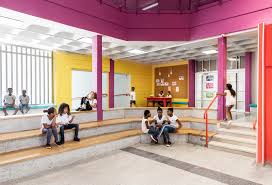
The Hayarden school in Tel Aviv is designed to make children feel at home. The school is located in an area of Tel Aviv that is home to thousands of refugees, mainy from Sudan and Eritrea, as well as Israelis with a low socioeconomic background. The school was originally constructed in the 1960s, but was neglected until architects Sarit Shani Hay, Chen Steinberg, and Ayelet Fisher decided to design a school that felt like a home. With vibrant colors painted on the walls, bright lighting, and wooden house models, the hallways certainly mimic home structures. There are also many community spaces throughout the school for the students to read and study outside of classrooms, promoting their engagement with their learning. There is also a community garden for the students to participate in. These aspects of the Hayarden school foster a sense of community bonding for the refugee children and inspire them to learn and engage with one another. In addition to this, the school gives each and every student a sense of belonging. Immigrant families living in Tel Aviv are subject to discrimination and in the neighboring comminities, residents and even politicians seek to expel them. That is why the designers needed to create spaces beyond the classrooms that allow students to comfortably study and bond with one another, and feel welcome in their school environment.
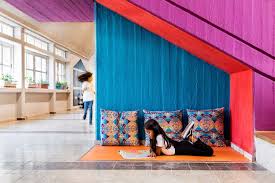
https://www.dezeen.com/2019/02/11/hayarden-school-for-children-of-refugees-tel-aviv/
https://design-milk.com/the-hayarden-school-for-refugee-children-in-tel-aviv-by-steinberg-fisher/
https://www.frameweb.com/news/hayarden-school-tel-aviv-steinberg-fisher-hay

Stool Project

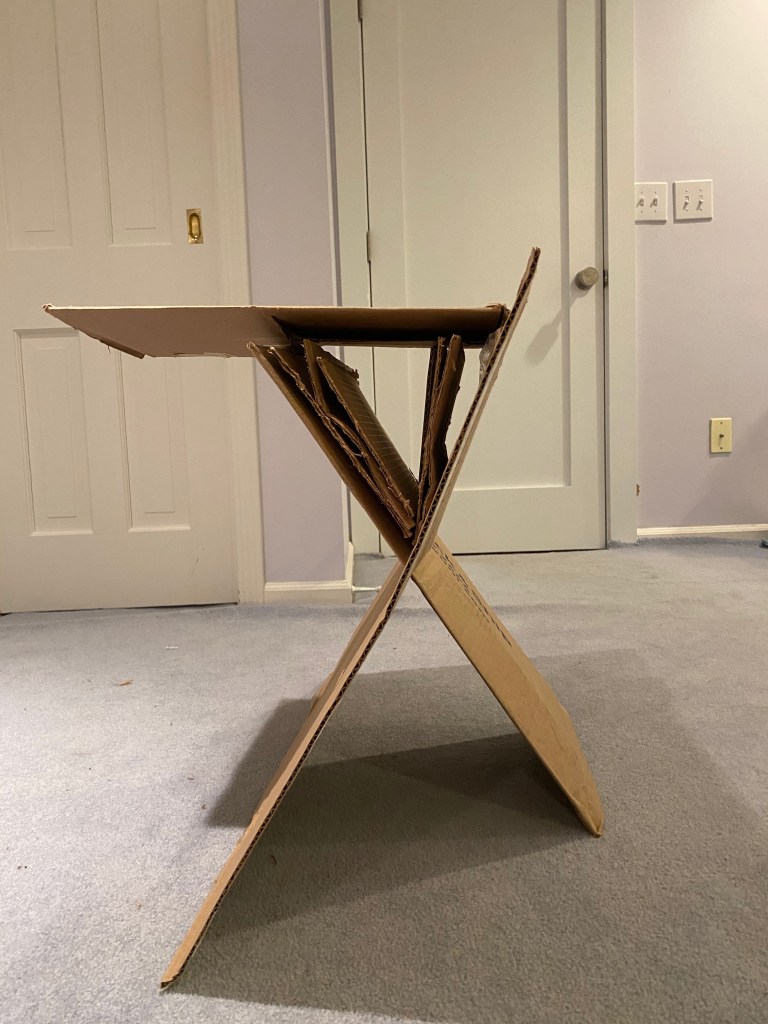
With only one John’s Pack & Ship box to use, I had to make use of every single inch of cardboard that I had. My intention was to make a dissymmetric, off-centered, and somewhat off-balanced stool.

However, since this box had already been shipped, it was damaged, flimsy, and wouldn’t support the weight of a person. However, I found that it does support the weight of my laptop, so I found other uses for it.

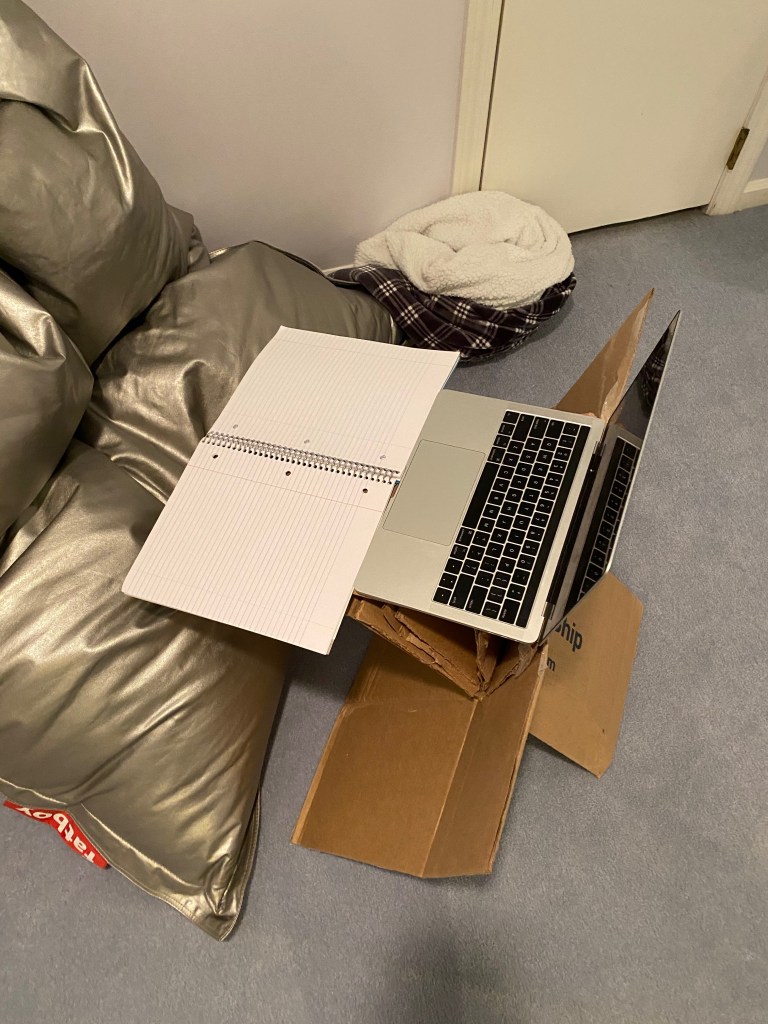
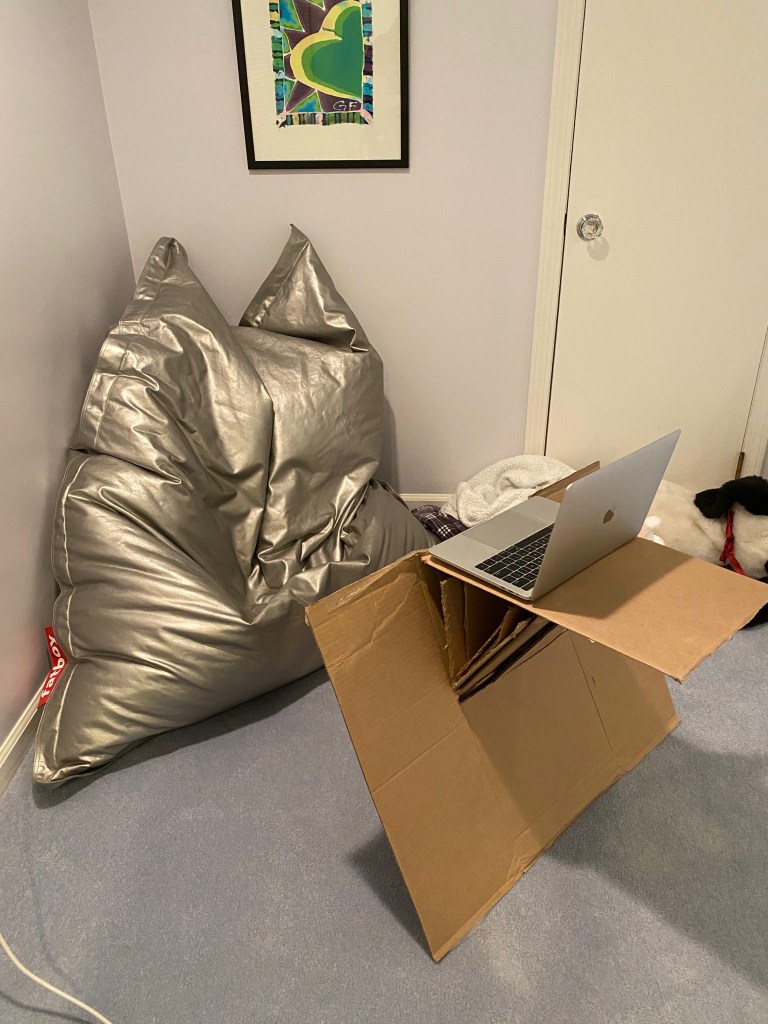
This stool can be converted into a desk that is long enough to fit my computer directly behind my notebook, an ability that my current desk lacks. I can also put the stool at the edge of my bed, making a perfect bedroom theatre. Additionally, the piece of cardboard that supports the seat can be folded in, making the stool portable. So, this stool could be a tiny picnic table too.

Reading responde #4

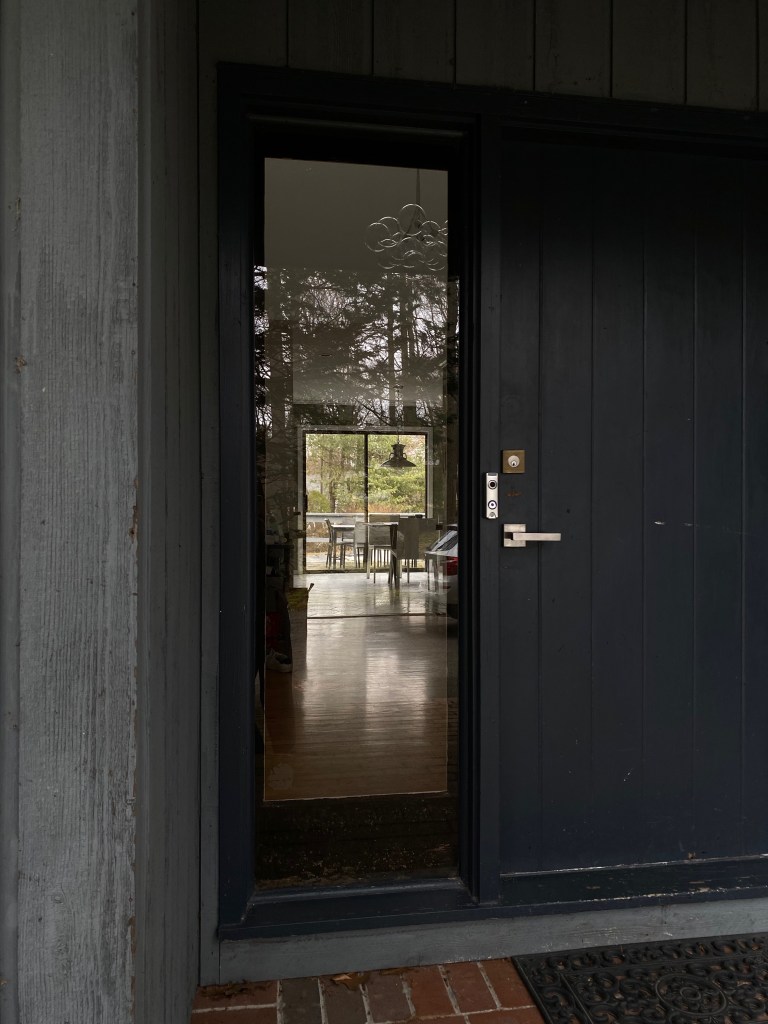
11:46 am, I’ve arrived at the residence. The wooden house is dark and ominous from the outside, just like I remembered it to be. The entrance is strategic: the wooden panes of the ever so slightly align with the panes of the house. The darkness illuminates the metallic handle. Despite the darkness, the window reveals the transparency of the house. It lures outsiders in, giving me the feeling of being inside the house, looking outdoors to the backyard. It’s almost as if I am invited inside…

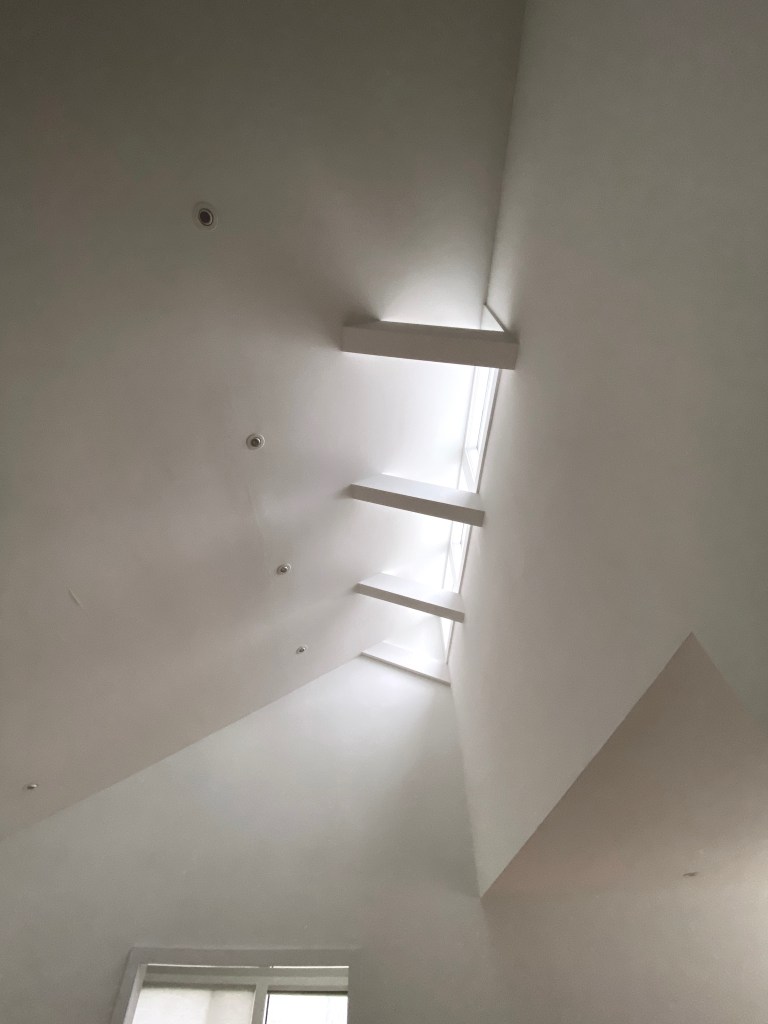
Inside I realize I have been deceived; the emptiness is welcoming. Those who live here now haven’t made this place theirs yet. Although the canvas is blank, light paints the ceiling.

As I walk under the doorway to the living area, I feel a rush of relief. I can leave this place content now. I remember where I left the gold.

Reading Response 3: edu-tecture

Bombay Sapphire Distillery in London – Thomas Heatherwick

DOCUMENT

  1. Physics – the architect needs to understand the field of physics in order to construct a building that will stand and endure the weather conditions of that area. 
  2. Construction – although this field is necessary for the same reason as physics, in the case of this building, construction was more complicated because the glass structures rest on water. An architect needs to understand how to construct in different environments in order to work in a unique environment, especially because they need to be conscious of the dangers of using electricity near water.
  3. Urban planning – an architect needs to understand how this building will relate to other buildings around it, and how it relates to the city.
  4. Environment and sustainability – an architect needs to take into account how this building affects the health of the environment
  5. Surface Structures – in this building, the surface is glass, and the glass bends in a very unique way. An architect needs to understand the flexibility of glass in order to make this building sustainable.
  6. Biology – since this particular section of the building is a greenhouse, the architect must understand plant biology in order to construct a successful greenhouse.
  7. Economics – since this building is a distillery that offers tours, the architect needs to keep in mind that one of the purposes of this building is to attract customers.
  8. Psychology – like any building, an architect needs to understand how spaces have an effect on people’s emotions.

INVENT

My course that would be integrated into the curriculum of an architect would be titled “The Psychology of Drawings”. Because architecture students take studio classes every semester throughout their educational careers, they often forget how architectural plans appear to non-architects. Additionally, the drawings of plans and sections that students create lack the experience that a building conveys. This course will remind students of ways to communicate experience into their drawings by having each class meeting take place in a different building. Students will occasionally sit in typical classrooms, but they will also venture to museums, libraries, monuments and more. In addition to physically experiencing different types of buildings, students will experience buildings across the world via virtual reality sets. In a world where technology is rapidly advancing, I predict that in the near future, architects will no longer present their creations through three-dimensional models; rather, virtual reality projections of buildings will become the norm. Students will be challenged to discover the crucial differences between virtual reality and reality, and they will be tasked to create a virtual reality projection of one of their studio designs that creates the experience they seek.

Reading Response 1: ____ Domain

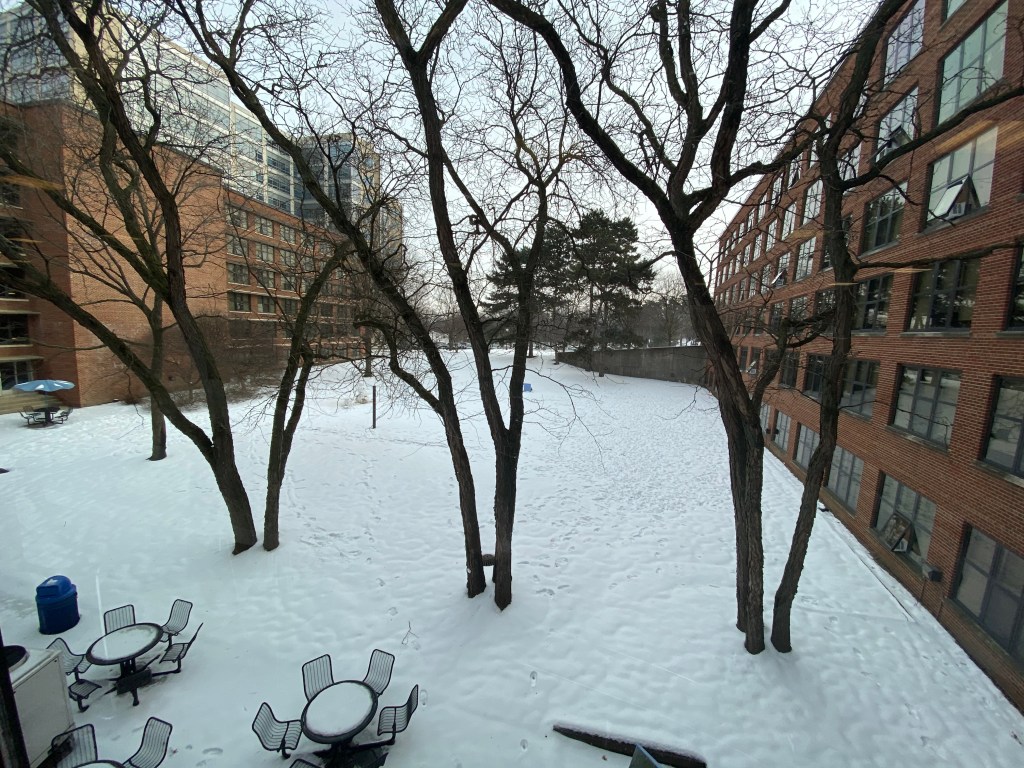
This picture captures the hidden domain that exists between the front and back hallways of Mary Markley Hall. I took this picture through the dining hall window, which is a rare location that gives insight to both sides at once. The exterior of the hallways are constructed of brick and cement, creating a hard, rigid perception of this building. However, the existence of the division between the two sides of the building creates a light feeling for the building, provoking the viewer to question how such thin hallways can sit so easily on the earth. In addition to this, the building is constructed on a hill. This creates a very calming effect on the viewer because the building blends into the earth. The courtyard between the two sides of Mary Markley is similar to the front lawn that Lance discusses; he claims that the front yard “separates each house from the public sidewalk and street while binding us together as a community” (Lance, 30). The courtyard of Mary Markley relates to the front lawn because it separates the residents on the front side of the building and the backside of the building; however, it unites those living in Mary Markley because the windows allow each and every person to connect with the courtyard and with the other side. In addition to this, the courtyard is very private. It doesn’t face a street or a sidewalk; it faces the Nichols Arboretum. Therefore, only Mary Markley residents are aware of this courtyard, so only we get to use it. This courtyard is a secluded, uniting domain.

Reading Response 2: side-by-side

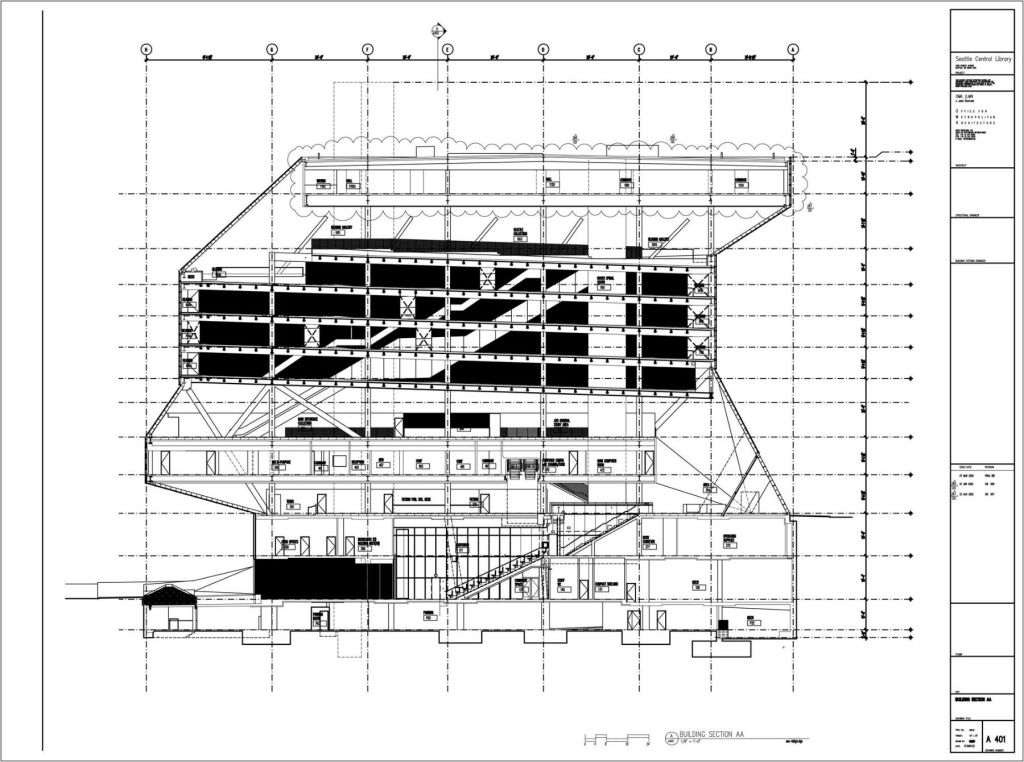
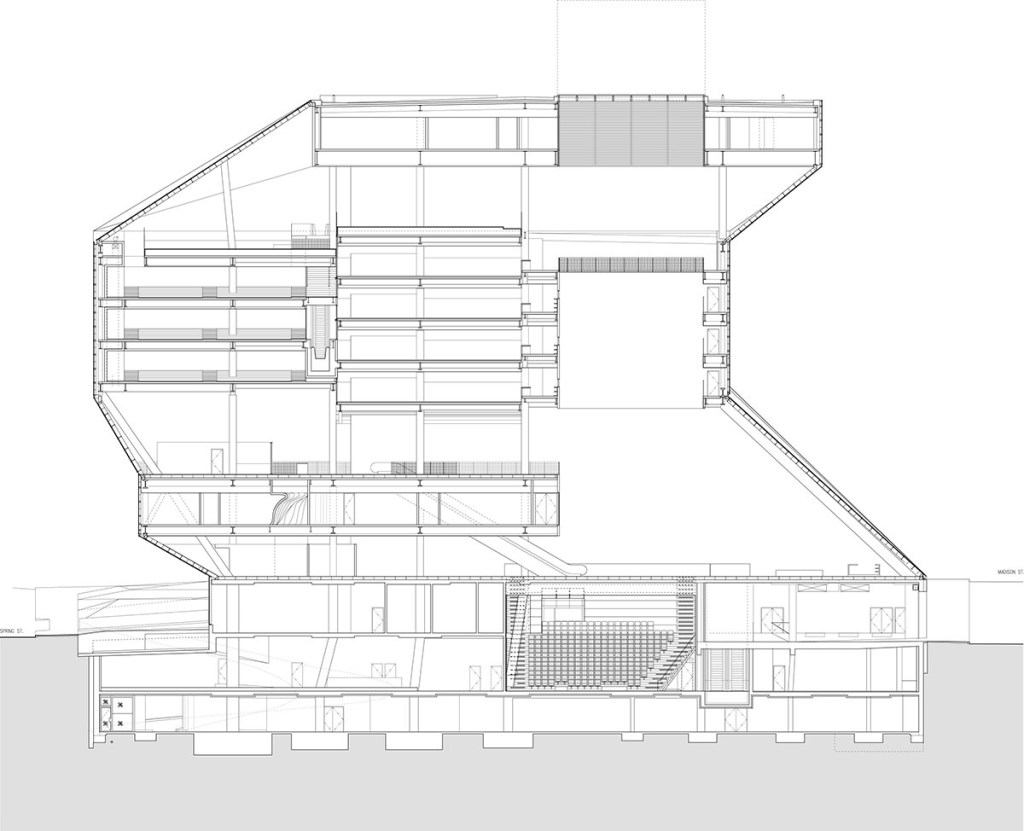
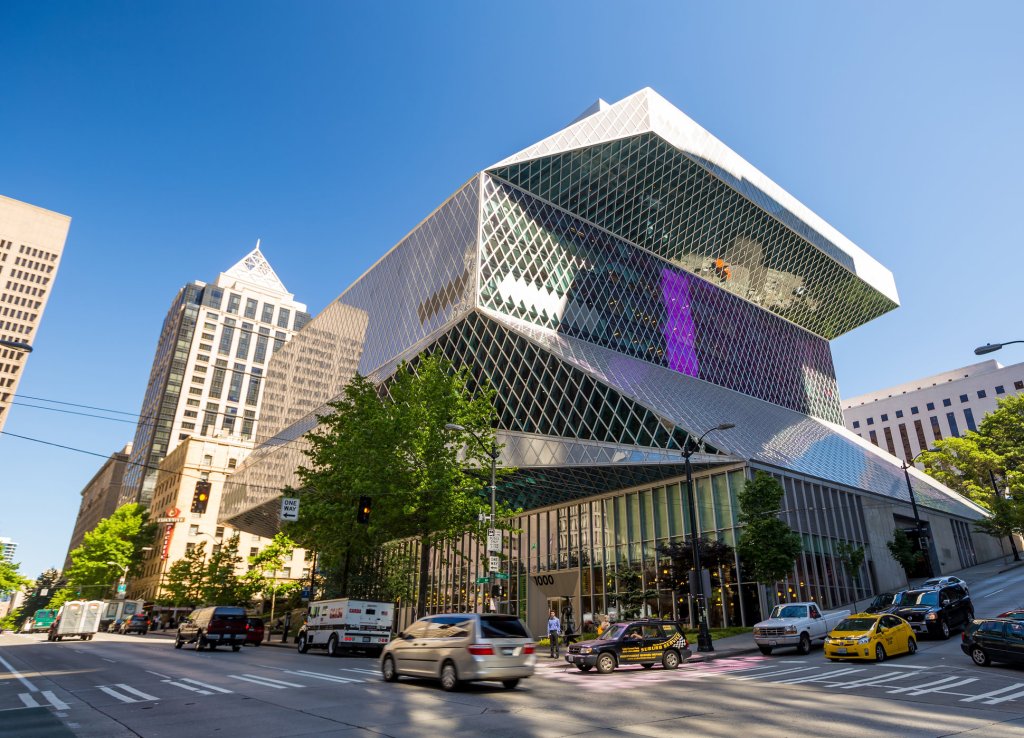
The line weight section drawing of the Seattle Public Library highlights the more functional aspects of the building, such as storage of books and places to study. The poche drawing of the building conveys how the floors work together, giving the viewer a more in depth insight to the experience of the library. Additionally, the poche section drawing elucidates the aspects of the building that function independently of the library purpose.
Design a site like this with WordPress.com
Get started