Reading Response 5: Sociability

https://www.google.com/url?sa=i&url=https%3A%2F%2Fwww.architecturalrecord.com%2Farticles%2F2990-newsmaker-charles-jencks&psig=AOvVaw2_SlN9pHQvuNRcVpYhq79s&ust=1587069359124000&source=images&cd=vfe&ved=0CAIQjRxqFwoTCKC12aak6-gCFQAAAAAdAAAAABAD
https://maggies-staging.s3.amazonaws.com/media/filer_public/e0/3e/e03e8b60-ecc7-4ec7-95a1-18d9f9c4e7c9/maggies_architecturalbrief_2015.pdf
https://www.maggies.org/our-centres/maggies-aberdeen/
https://www.google.com/url?sa=i&url=https%3A%2F%2Faasarchitecture.com%2F2013%2F09%2Fmaggies-centre-by-snohetta.html%2F&psig=AOvVaw2_SlN9pHQvuNRcVpYhq79s&ust=1587069359124000&source=images&cd=vfe&ved=0CAIQjRxqFwoTCKC12aak6-gCFQAAAAAdAAAAABAJ
https://scontent-bos3-1.xx.fbcdn.net/v/t1.0-9/34501184_2237709706239489_4509388543205834752_o.png?_nc_cat=104&_nc_sid=8024bb&_nc_oc=AQl5ZzzPC_YDP8eD7vgBFiNzT2Pm400ipYCO08SzfVaQQ-uQ8TZcRSIXDF1ePtz_TiY&_nc_ht=scontent-bos3-1.xx&oh=9ce29792069d06ff4761077afee9b2f3&oe=5EBECAFE
https://scontent-bos3-1.xx.fbcdn.net/v/t31.0-8/19055628_1806394649370999_7246716509462390581_o.jpg?_nc_cat=109&_nc_sid=8024bb&_nc_oc=AQl9uRd5sVTbt39M79X_wyuz8wvE4s6euJe7XIazGZRcNIRrny23YIFUjYmNRYAevOM&_nc_ht=scontent-bos3-1.xx&oh=d8cb5c8accb21c712f0968d3ca57c384&oe=5EBDB81A
https://scontent-bos3-1.xx.fbcdn.net/v/t31.0-8/1009524_626926960651113_1448081988_o.jpg?_nc_cat=103&_nc_sid=2d5d41&_nc_oc=AQnk_xngozP1Y4Rwww6ZxAqGnDIOr025MoVDpnKKoajWBn_0Y0P6QOVthWKPPs3SOzM&_nc_ht=scontent-bos3-1.xx&oh=5d69eae90d34e8c7d733b6f1b48e3454&oe=5EBD24E4

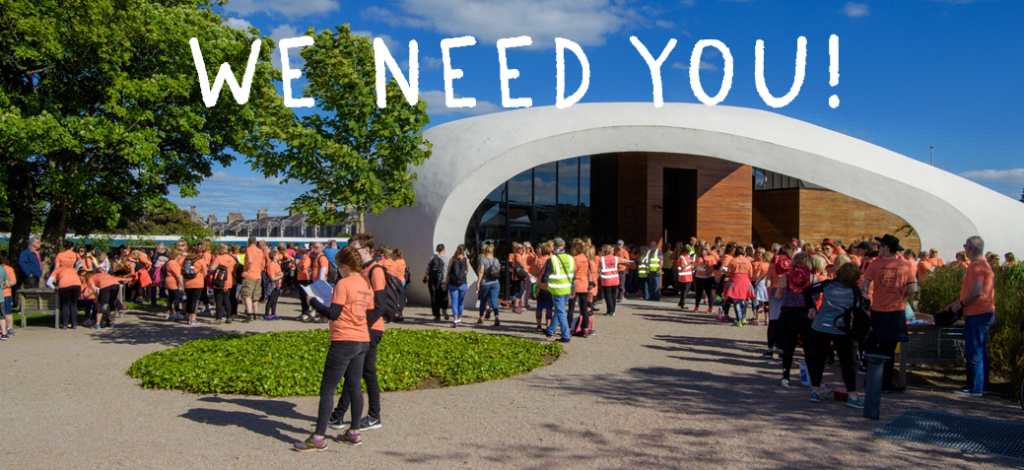
Maggie’s is a charitable organization which runs a number of centers, mostly in the UK, but also abroad, to help people with cancer. It does not intend to replace conventional cancer care, but instead supplement it by providing a place where cancer patients can access emotional support as well as help with any issues they run into because of their conditions.

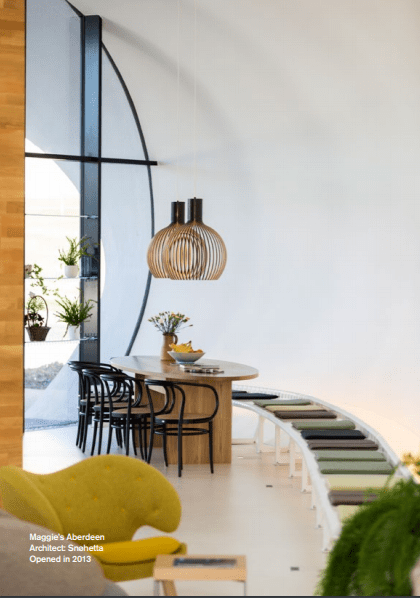
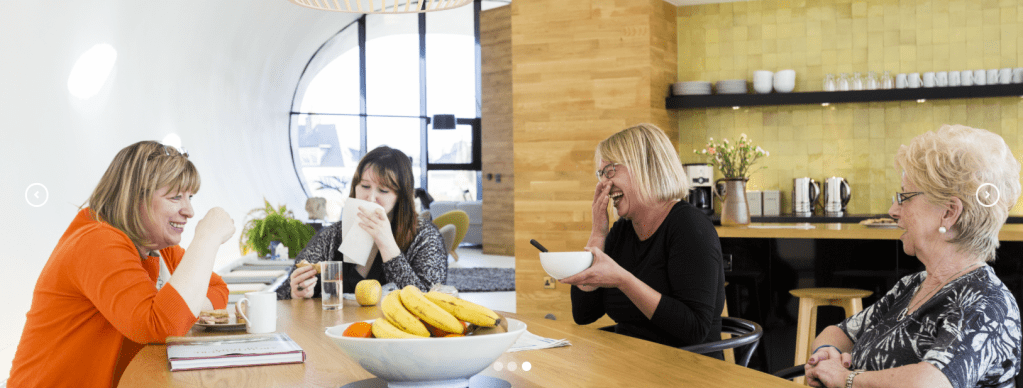
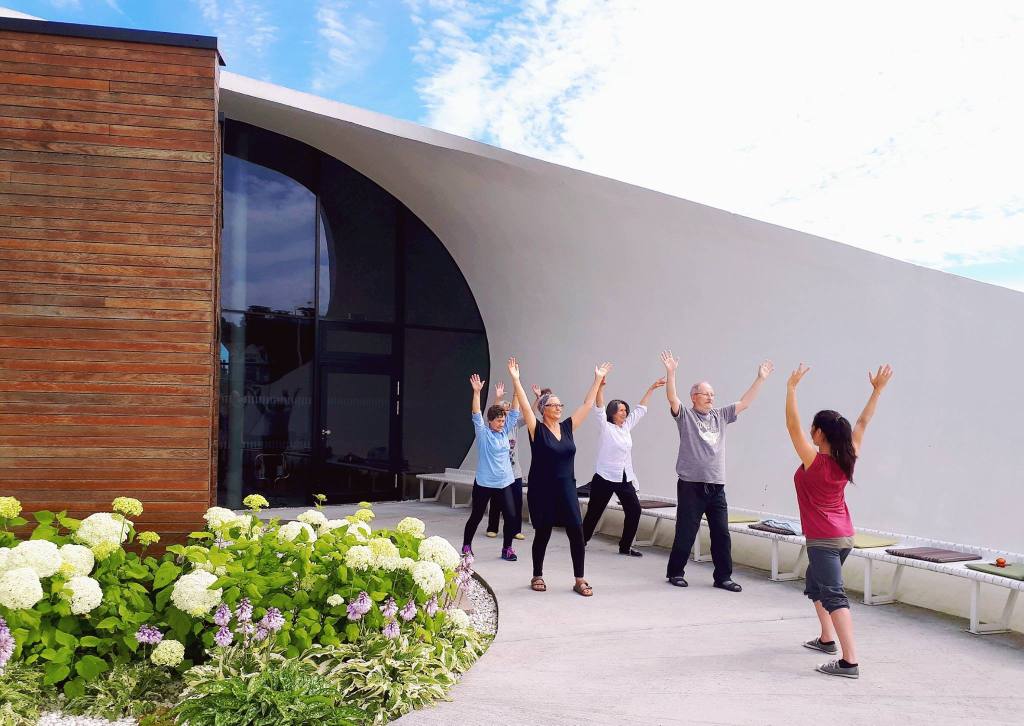
Services each center provides range from group exercise, yoga, and nutritional advice to psychologists to financial help (such as claiming benefits they are entitled to due to loss of work, etc.). Though all of this practical advice and services are free, Maggie’s stresses that one of their most important goals is to be a welcoming, worry free place where people facing similar problems can socialize and relax, and testimonials even describe it as a second home. Architecture plays no small part in this: though the centers are built near hospitals, they are meant to fit into their surroundings and feel like a home, not a hospital. The co-founder, Maggie Keswick Jencks, stated, “thoughtful lighting, a view to trees, birds and sky” were essential to healing. In addition to thoughtful lighting and views of nature, each center has a table in the center of the kitchen as a community meeting point as well as private spaces for intimate conversations and relaxation. The centers also have thoughtfully planned gardens for the patients to enjoy outside.

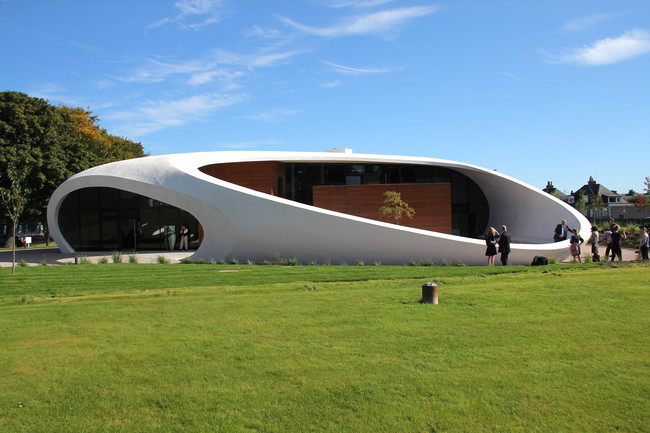
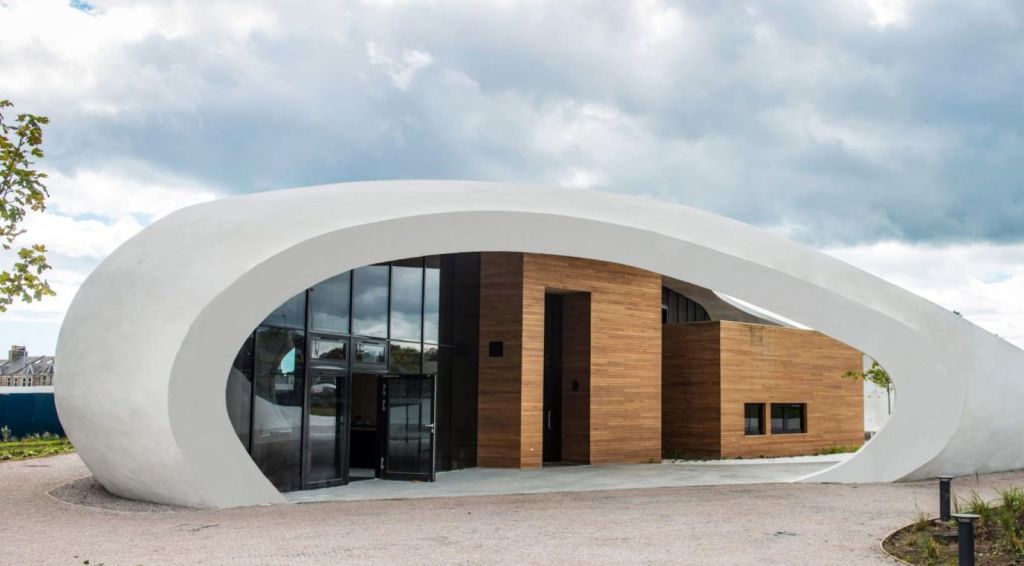
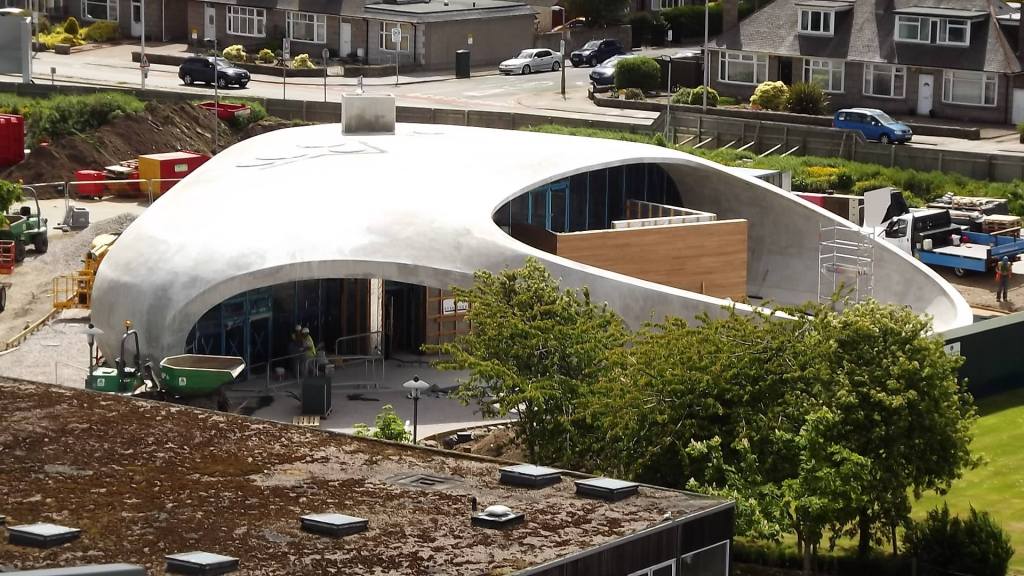
This particular Maggie’s Center is Maggie’s Aberdeen, by Snøhetta, and features a beautiful white shell forming the roof and some of the walls of the structure, with a double-story curtain window and timber construction filling the inside of the shell to complete the construction.

Sources: maggies.org, https://en.wikipedia.org/wiki/Maggie%27s_Centres
Project 2: Stool

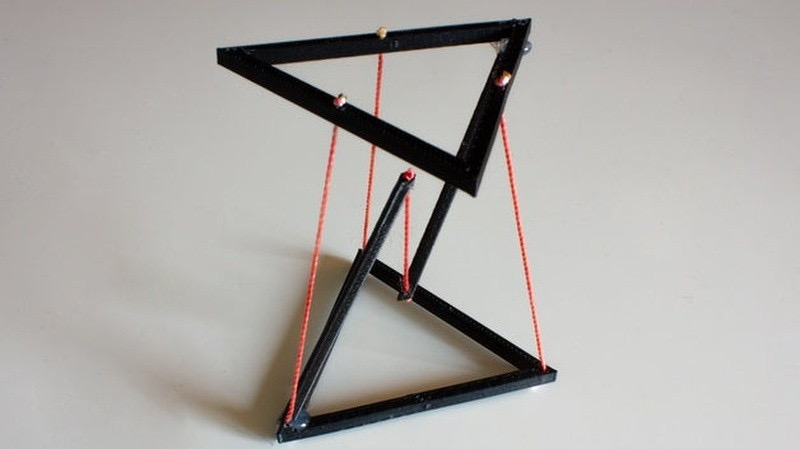
This is what I used as my inspiration for this project. It’s called a tensegrity and is held up mostly by tension.
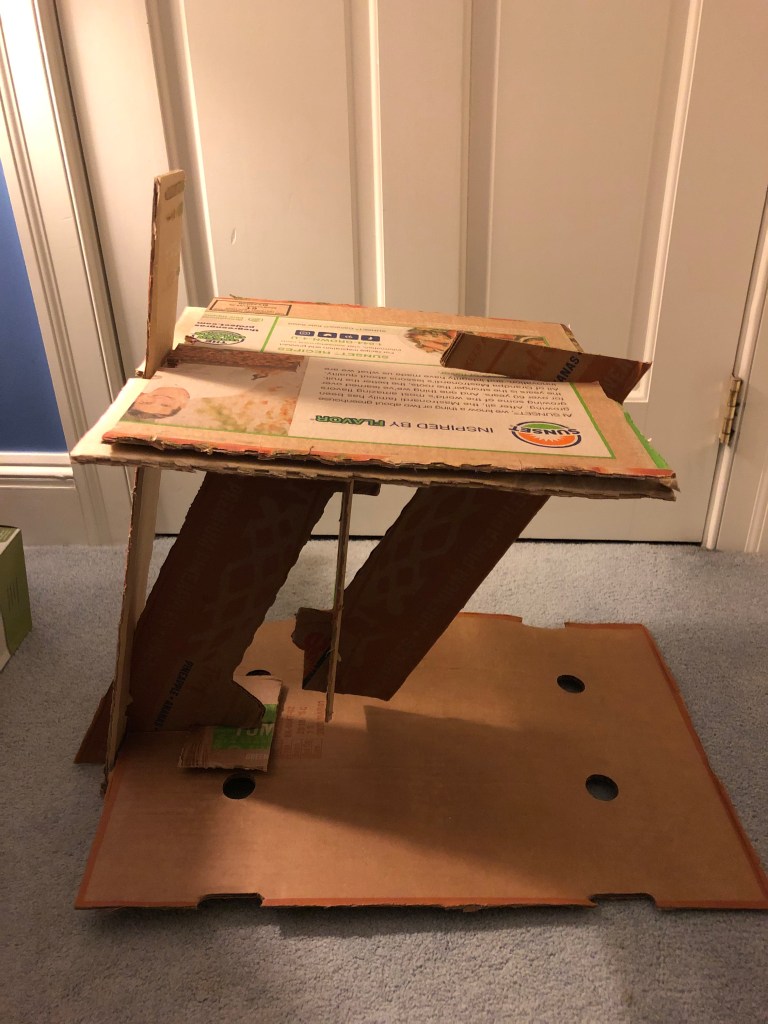
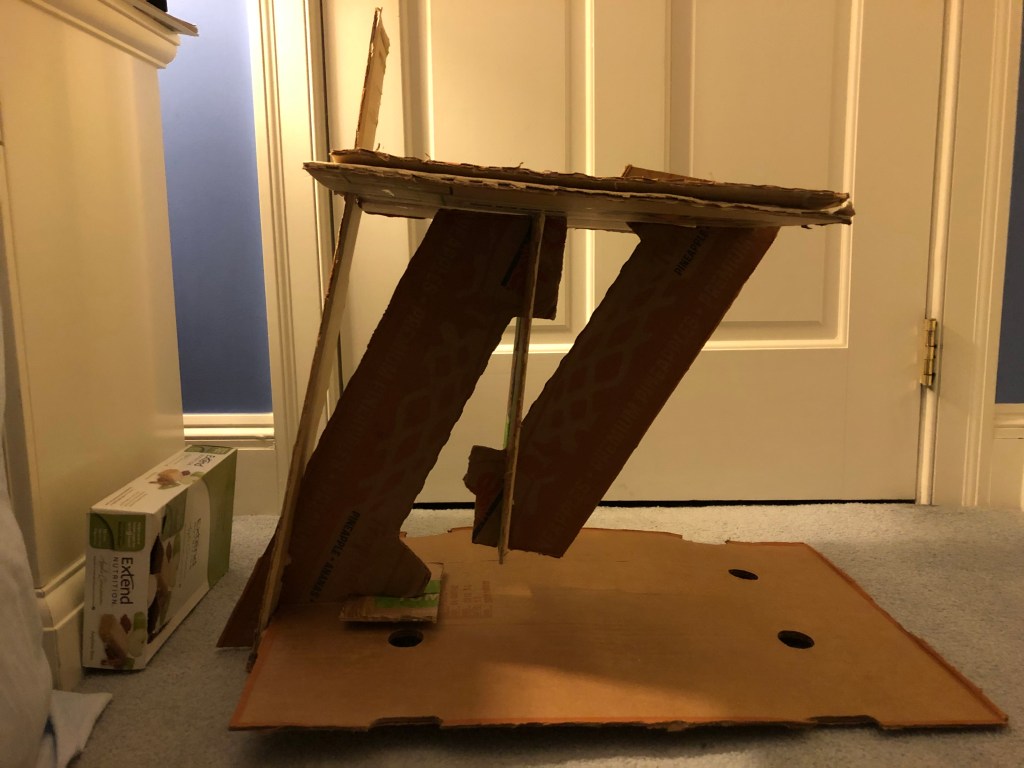
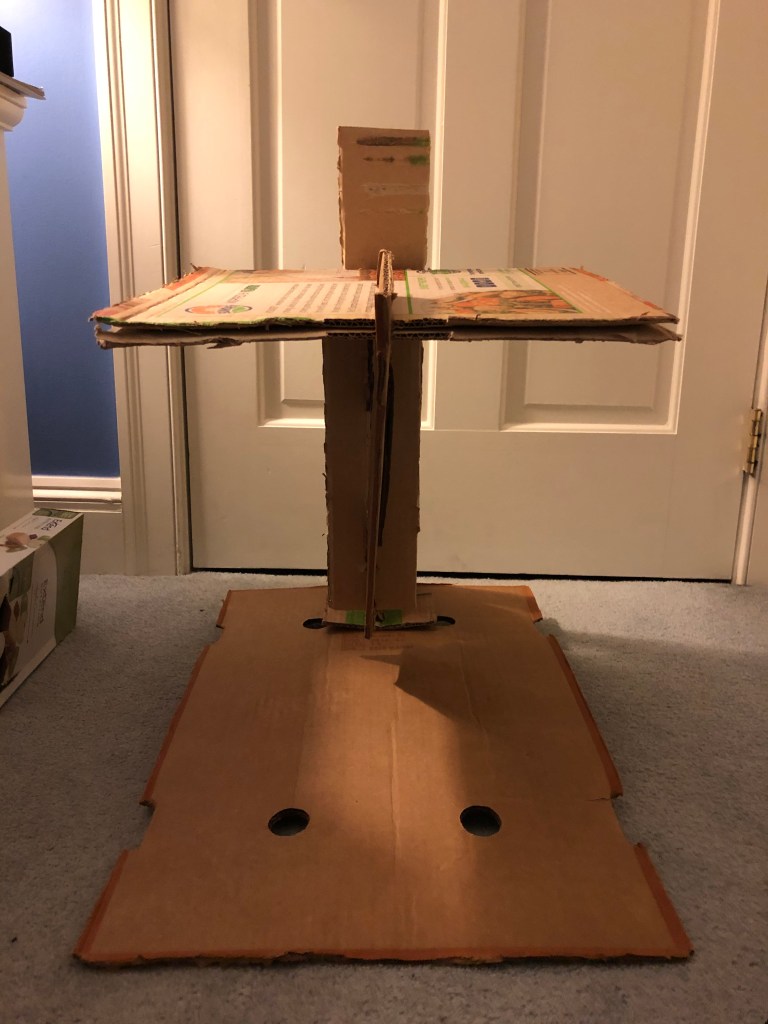
However, it turns out that cardboard is hard to work with in that way, and my efforts to create a tensegrity stool resulted in this. I still use tension rather than compression, but the top plane doesn’t “float,” instead resting on the center pillar, as shown below:
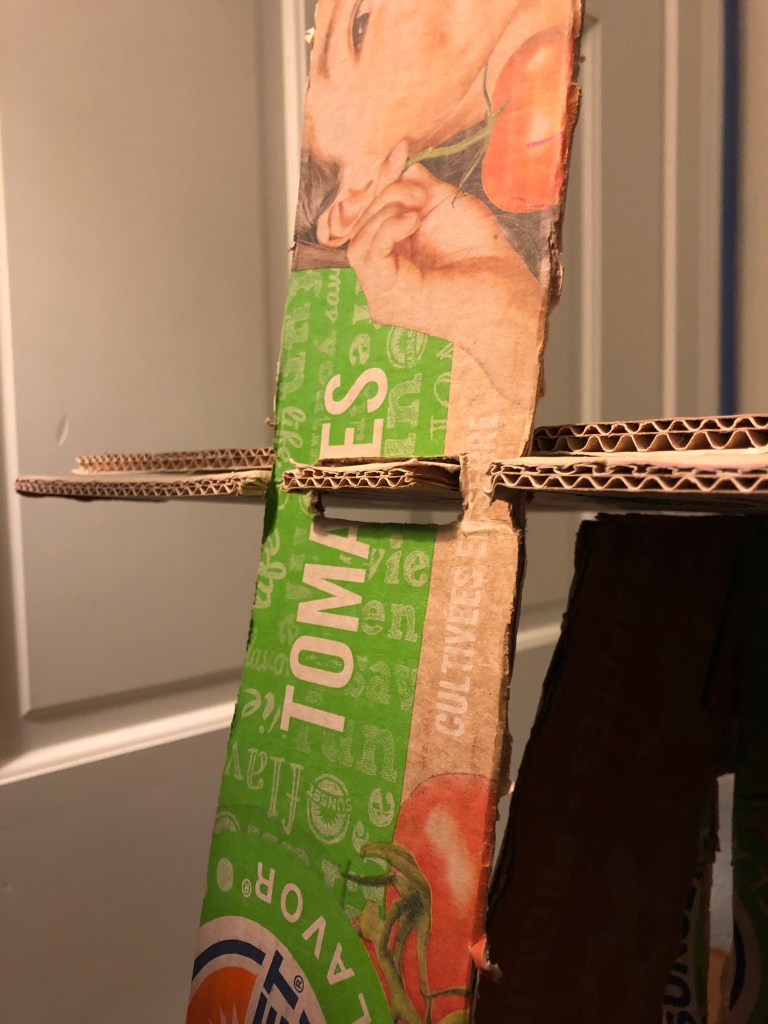
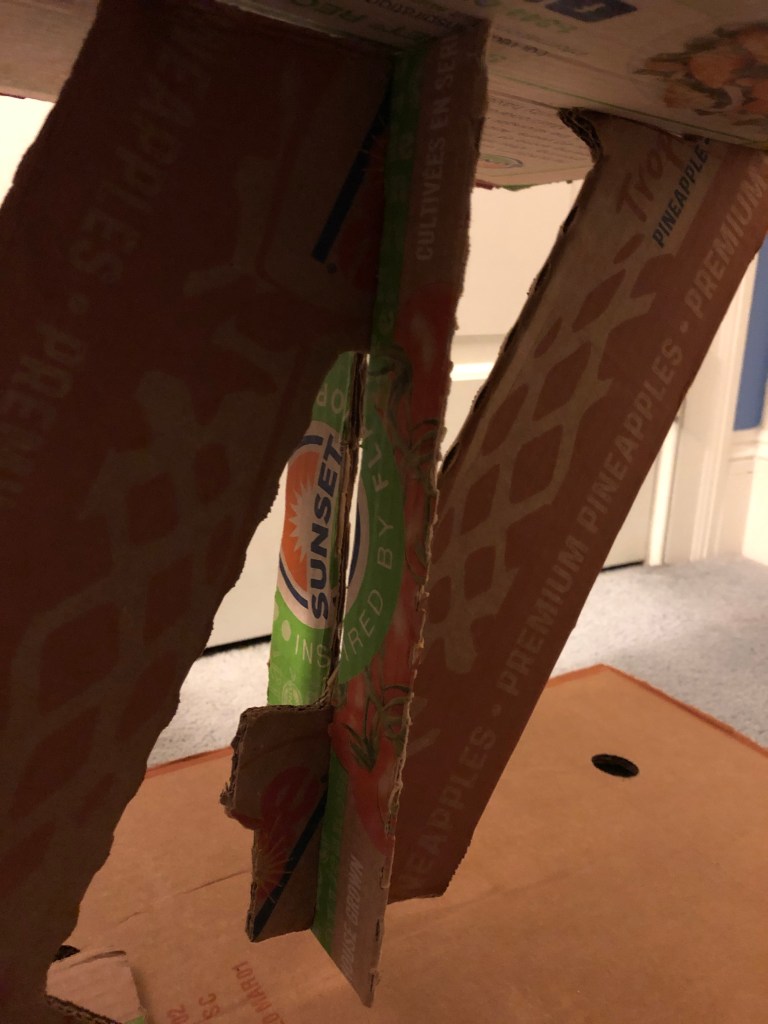
Here, the structure is supported by the tension of the tab pulling up on the back pillar when weight is placed on the stool.
This is also an example of using tension rather than compression, intended to mimic the central rope of the tensegrity I used as inspiration.
The main issue it has it that it is so cantilevered that it requires a huge base, and when the joint between the base and the pillar is stressed for too long it loses lots of structural integrity. I have a strong cardboard box that my laptop came in that would possibly make a better base, and if I had more time I would figure out how to attach it.
Lastly, here is a (timer) picture of it miraculously holding my weight. The pillar bends down but does not actually touch the base.

Reading Response 4: De-Tale

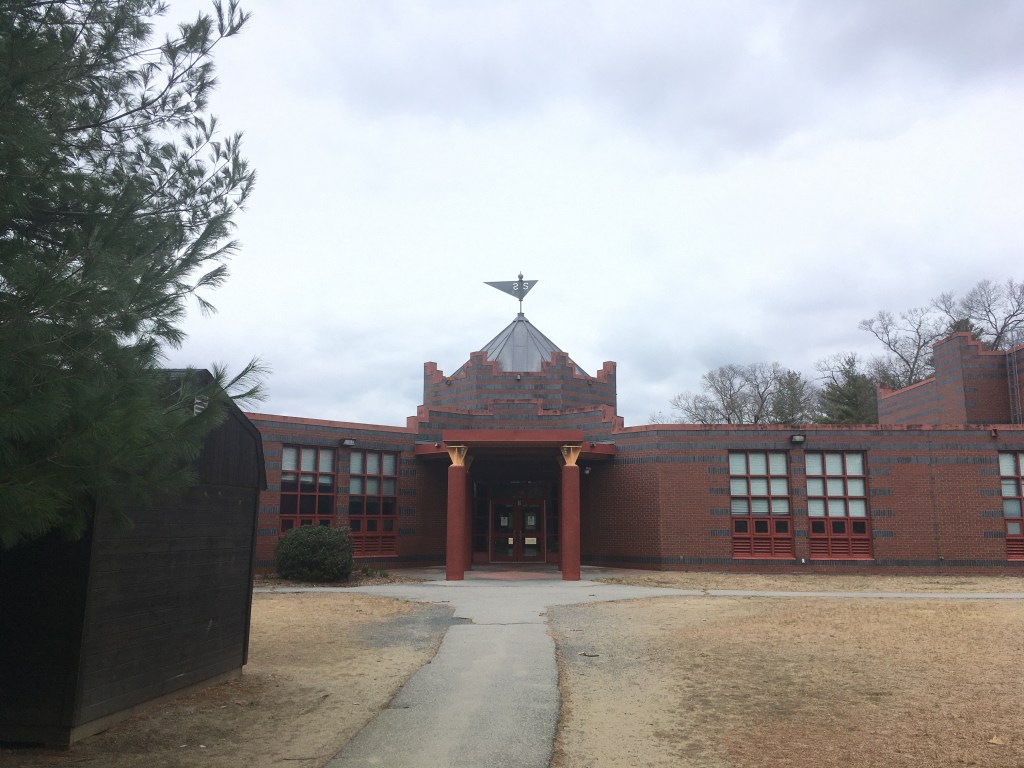
General John Nixon Elementary School has, quite literally, been a bastion of education for 60 years, accented by its castle-like turret and heavy brick construction.

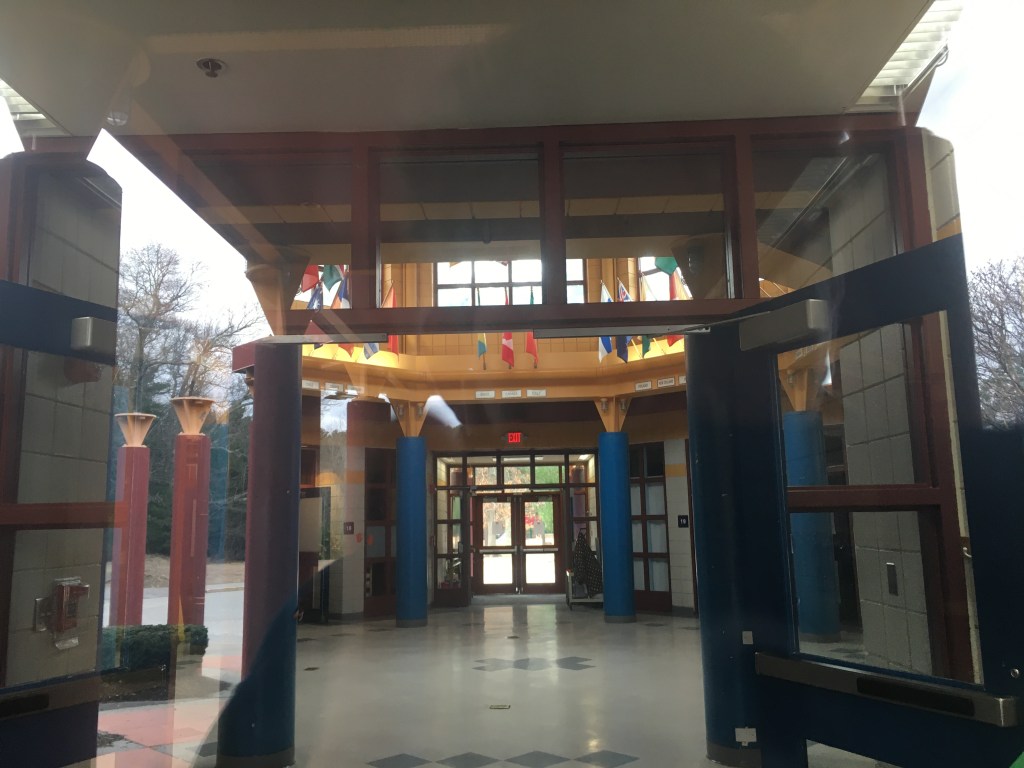
This was, of course, before the virus came. Gone are the days where the main hall was full of students struggling to contain their excitement while in their single-file line to lunch, and if one looks through the main hall, past the colorful pillars supporting the turret, and out the opposing doors towards the playground, all one will see is a couple greens columns of the sad, lonely playground wondering why no one wants to play with it anymore, far off in the background.

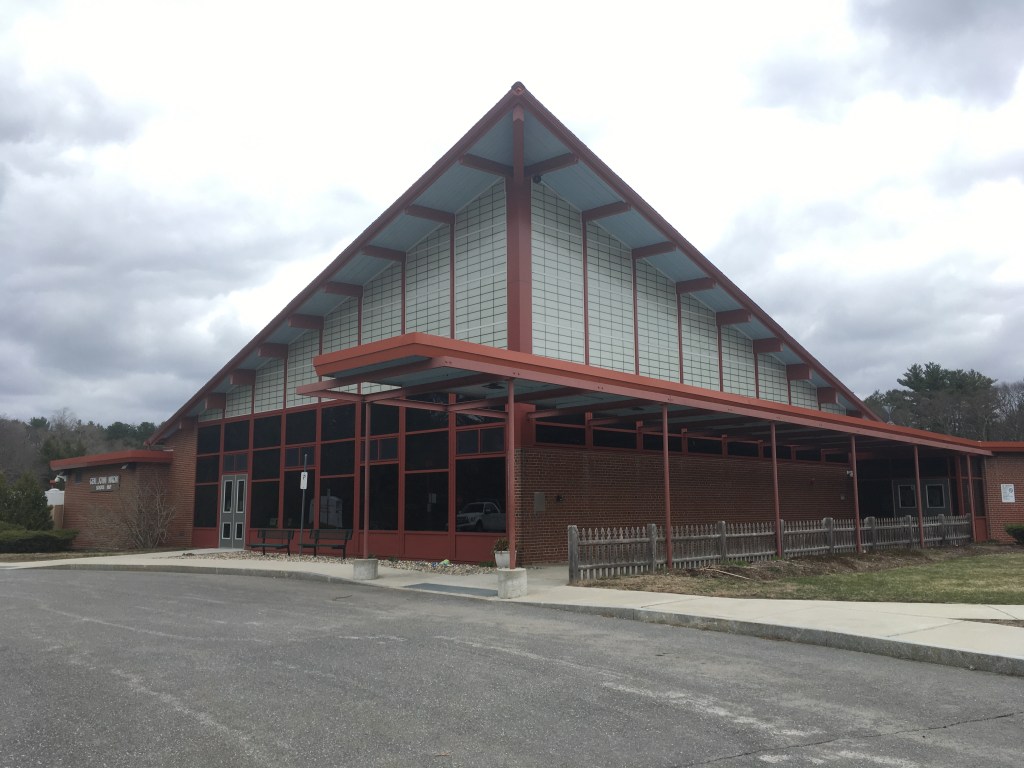
The auditorium and gym is formed by a triangular shape, almost like that of the bow of a ship, floating above the water, that cantilevers over the columns supporting it, revealing the diagonal beams that actually support most of its weight. Pointing into the sky, this seemingly floating representation of the upwards trajectory of its young, bright students is equally depressing; its optimism now ironic, for the students no longer are able to pursue their musical, artistic, and athletic passions within it. Tragically, this place of learning and happiness will remain dead until May 4th, 2020, or in all likeliness, far longer.

Reading Response 3: Edu-Tecture

DOCUMENT

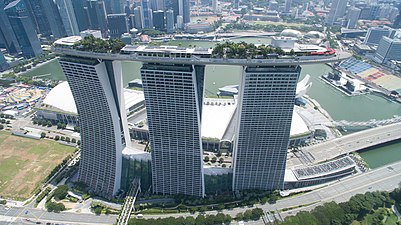
The Marina Bay Sands by Moshe Safdie Architects is a imposing structure, capped by its 340-meter long SkyPark connecting all three towers approximately 200 meters above the ground. The SkyPark seems to defy gravity with its 67-meter long cantilever past the north tower, yet this is representative of just one of many other fields of study that were essential to the successful conception, design, and construction of the building, in this case civil engineering.

Other fields of study include:

  • Mechanical Engineering: used in over 500 hydraulic jacks and four movement joints beneath the pools to keep them level as the buildings themselves move so that water flows evenly over the edge of the infinity pools.
  • Hotel Administration: the Marina Bay Sands is a hotel after all, so people with hotel administration degrees (or experience) were surely consulted to design the building so that it could be an effective, profitable hotel.
  • Urban Planning: the hotel is part of a much larger complex spanning 20 hectares, and thus urban planners were probably required by the city to evaluate how the proposal would interact with the rest of the urban community.
  • Environmental Engineering and Landscaping: to evaluate the environmental benefits of the gardens on the SkyPark, and to actually make them, respectively.
  • Materials Science: to discern the most appropriate materials for the building, or even engineer new ones.
  • Technical Drawing: to draw the precise specifications the builders would follow
  • Law: to make the contracts between the bidder for the site/owner of the building (Las Vegas Sands) and everyone else.

INVENT

A new capstone course necessary for architects to better serve the world is Affordable Architecture. This course consists of trips at the beginning of the term to impoverished communities living primarily in self-constructed shacks to study and critique the manners in which these dwelling are constructed. Throughout the rest of the term, students are then tasked with designing more architecturally influenced housing with similar budgets and materials as these dwellings–this is to say that they give the dwellings the actual function of being homely and welcoming rather than simply the use of shelter in order to improve the lives of the inhabitant and also destigmatize these communities. The principle is that the students should be able to achieve this function by using the materials more efficiently both structurally and artistically due to their education. It will also help bridge the gap between education in the “institute” (college) and through practice by giving the students firsthand experience in interacting with clients, working with physical and budgetary restrictions, and creating livable-scale buildings, all without needing an internship. Furthermore, this course does so on a relatively modest budget due to the nature of the homes, and perhaps most importantly creates more functional and useful homes for people who need them.

Project 1: anALPHABET

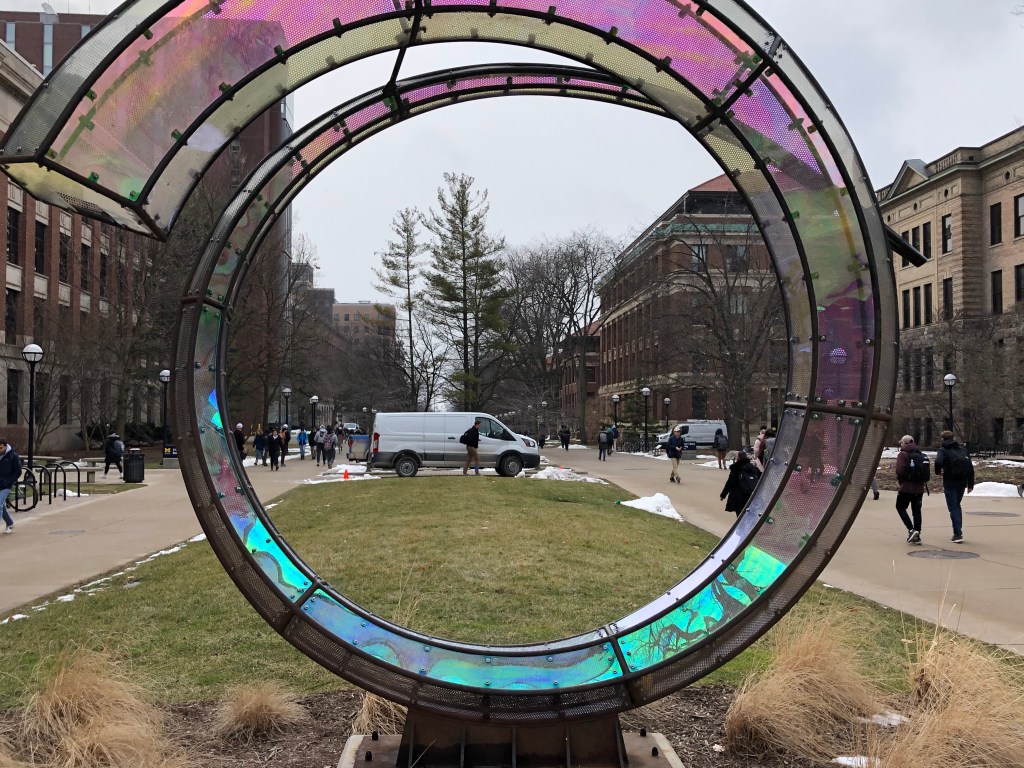
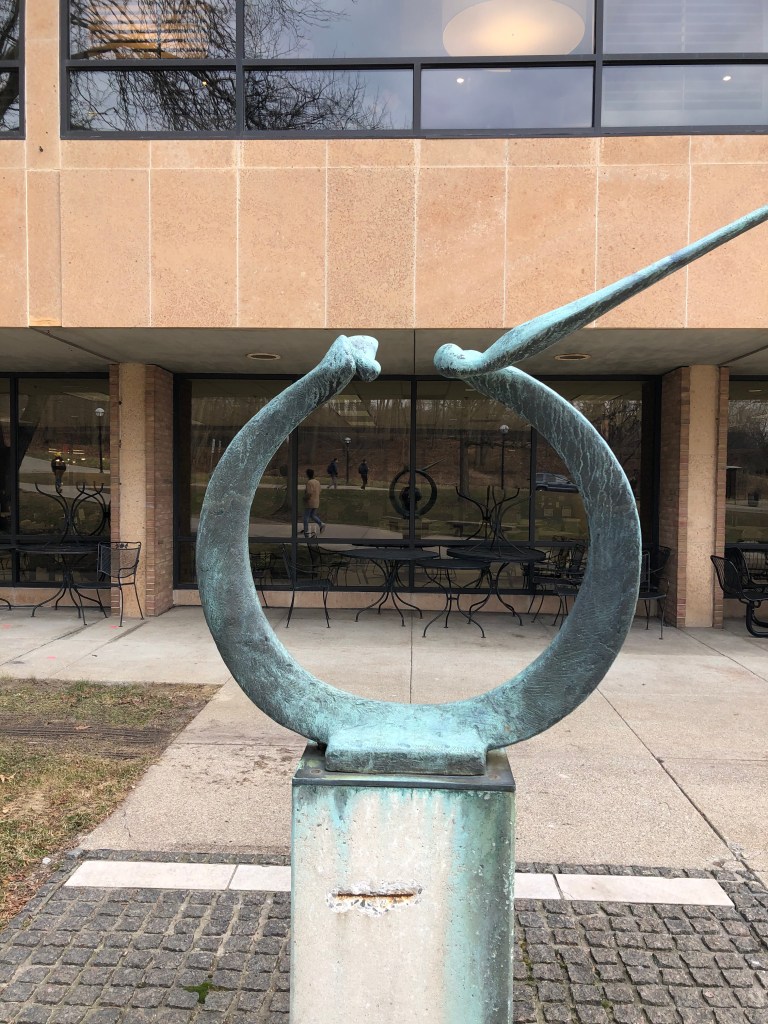
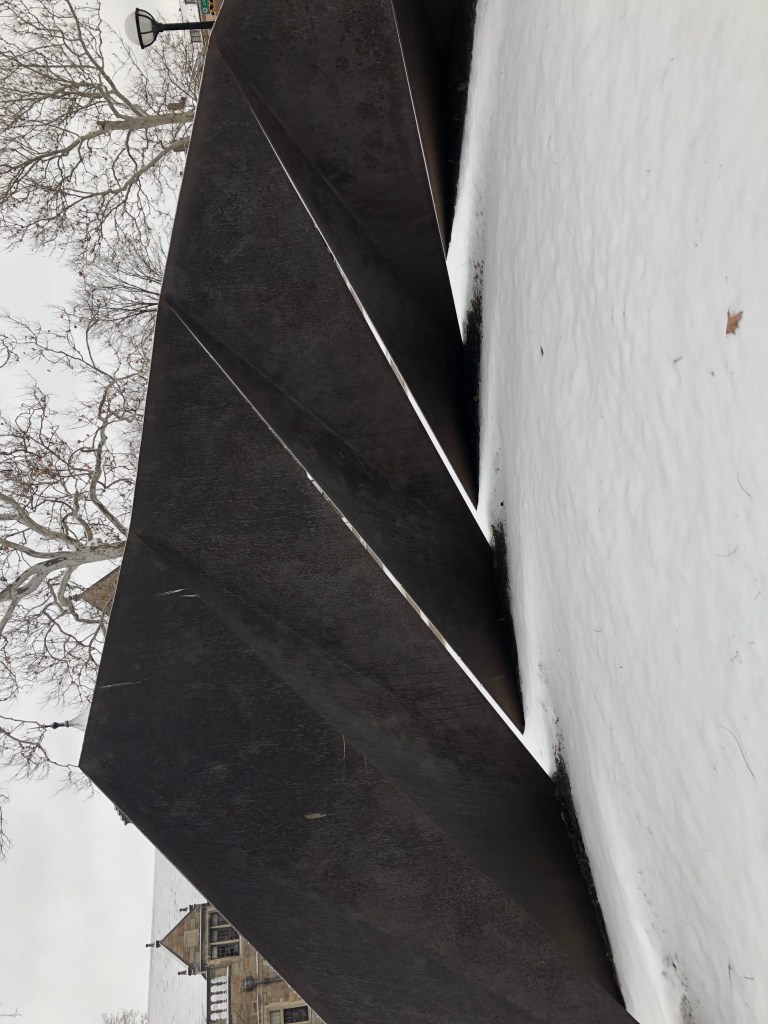
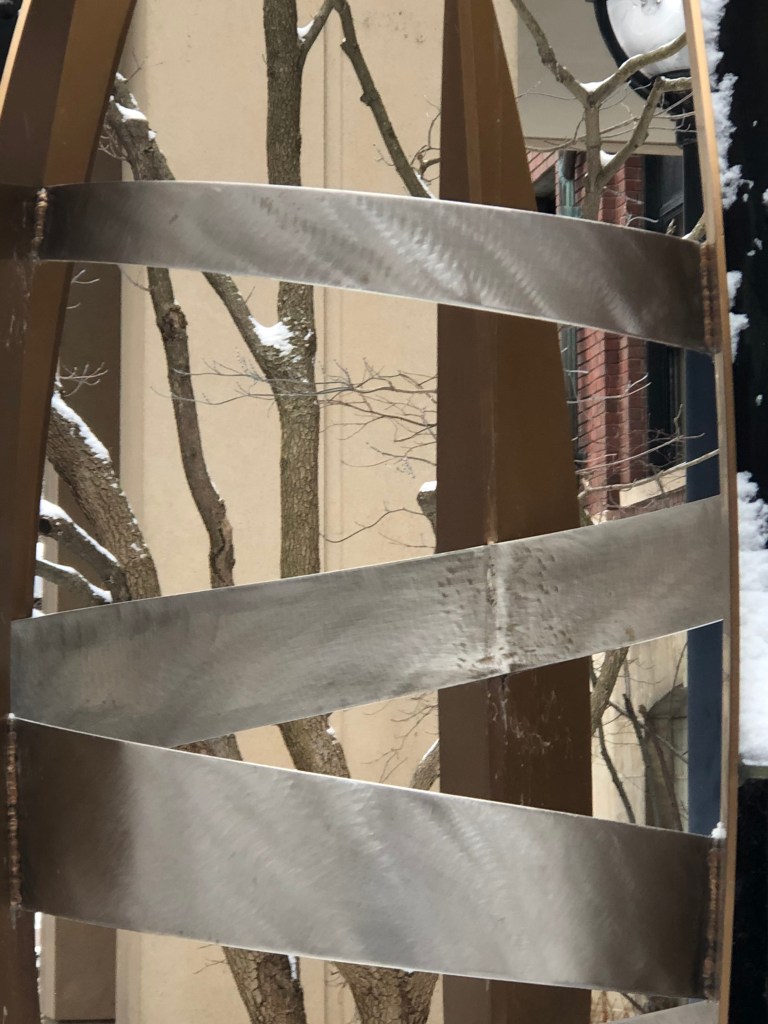
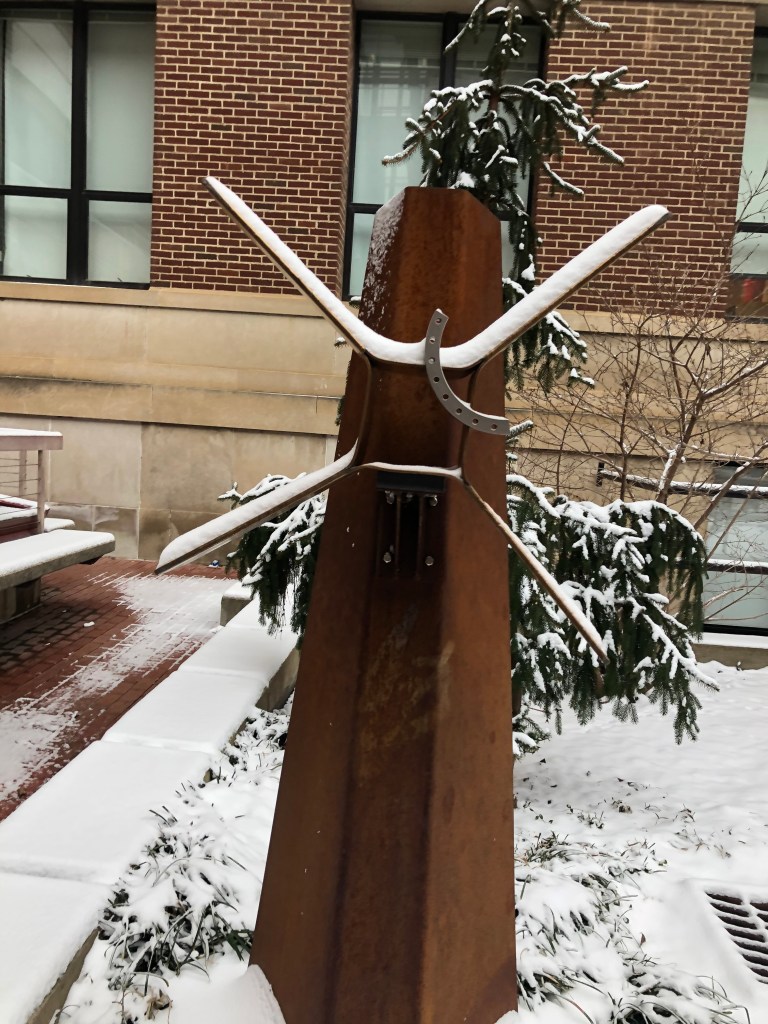
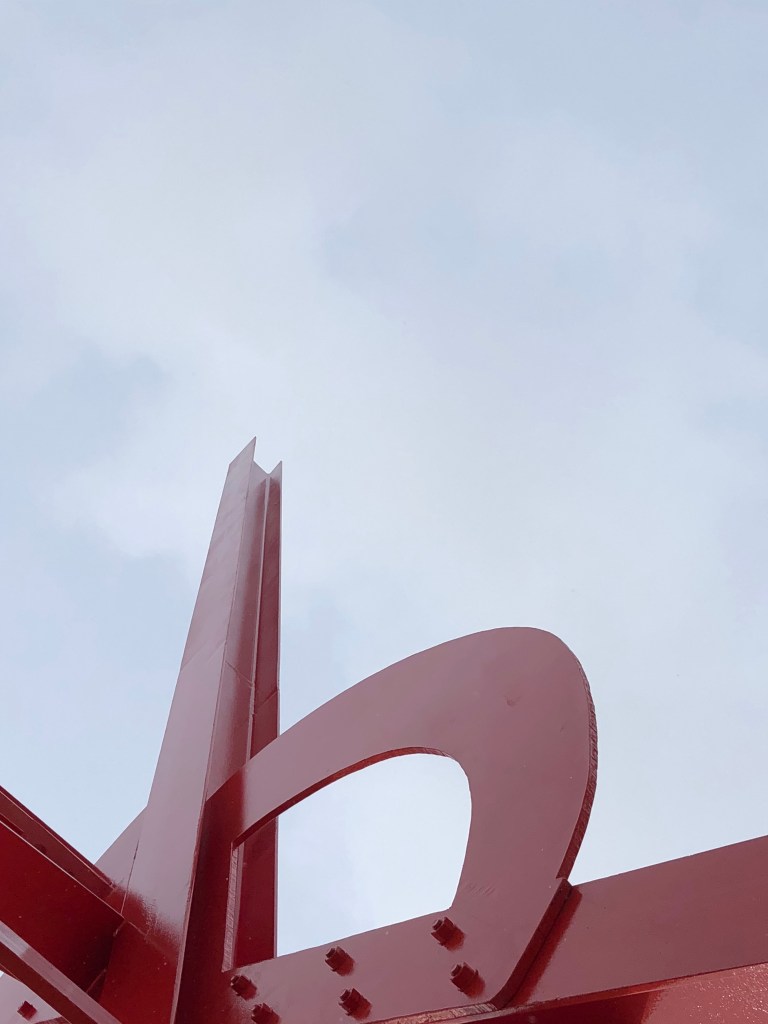
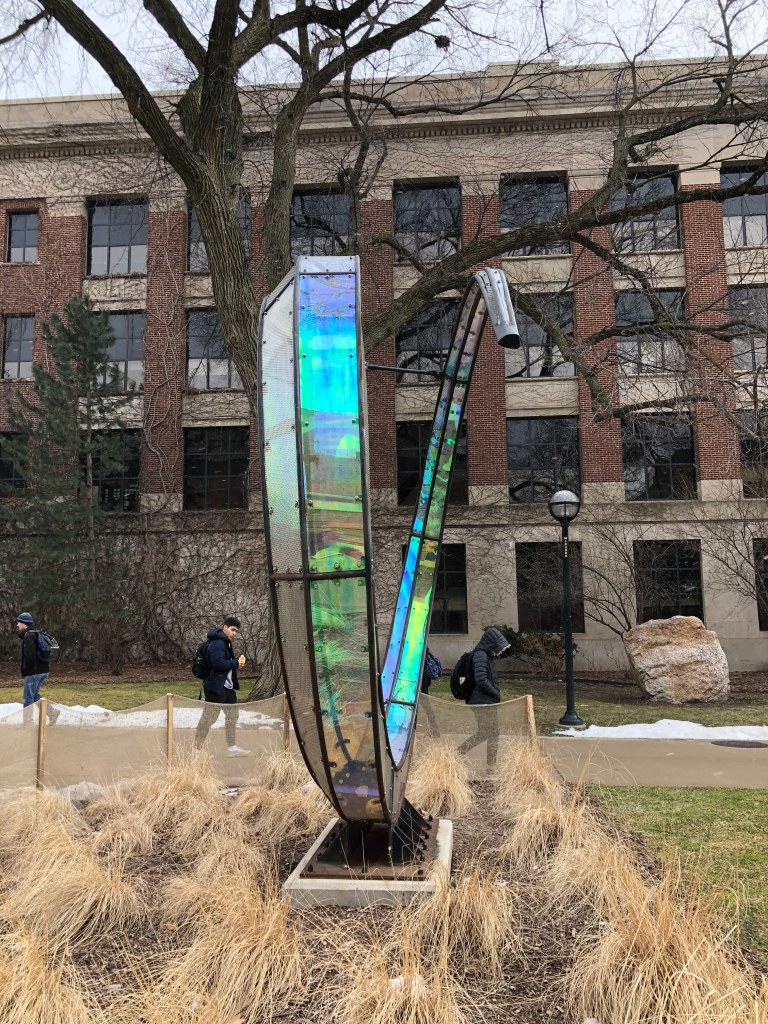
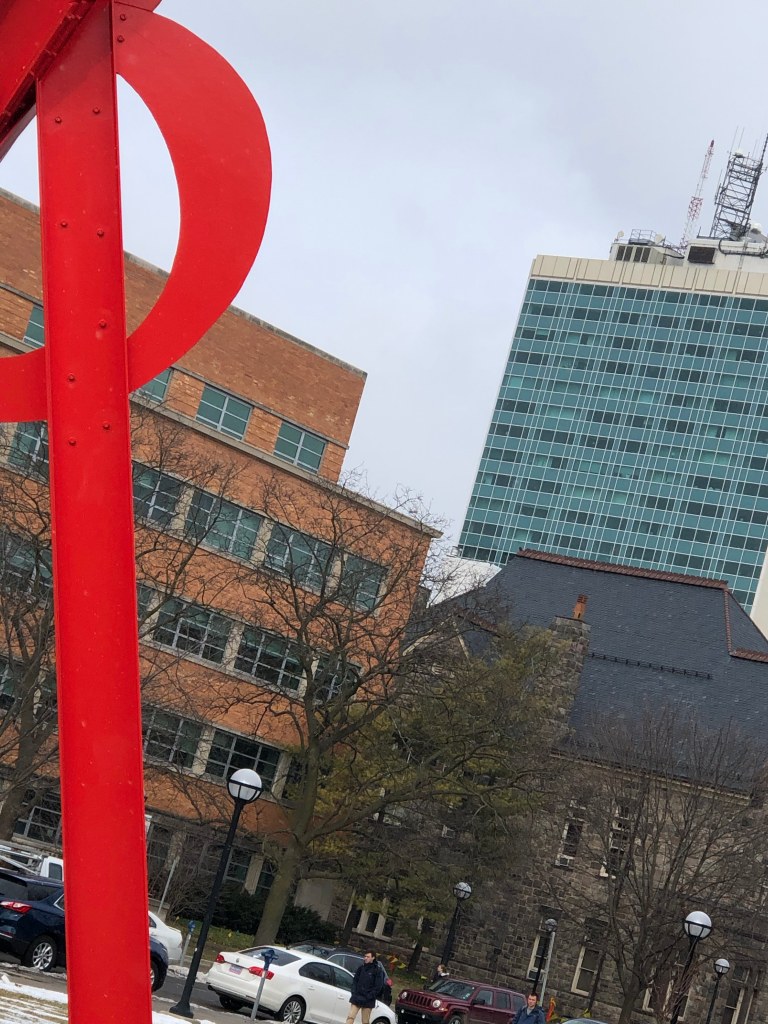
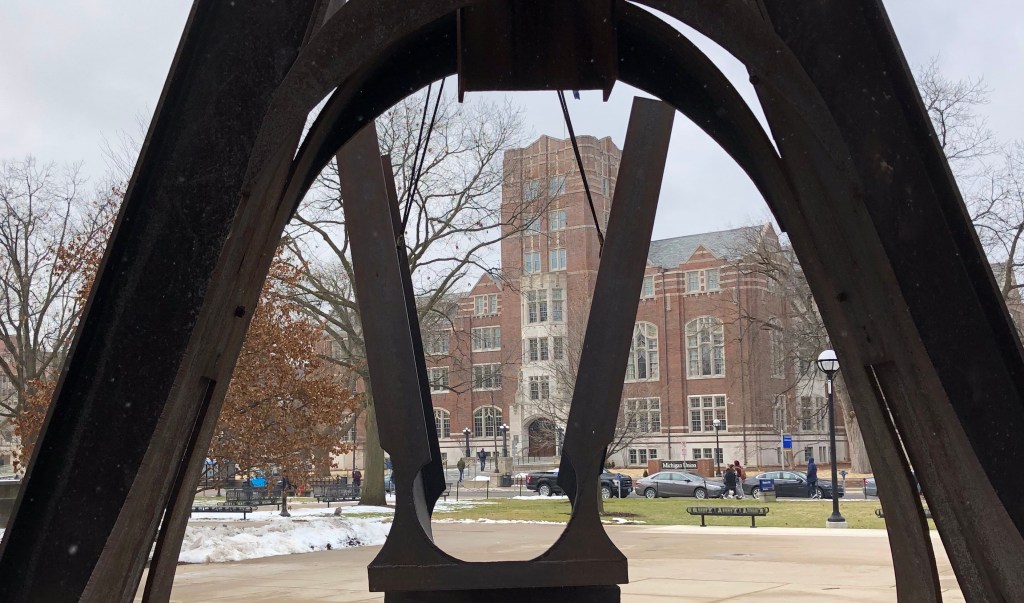
My theme for this project was sculptures around campus. While some letters were more obvious, I really enjoyed circling around some sculptures trying to see different letters. Furthermore, my search for different sculptures around campus took me to places I otherwise would never go to, and displayed how even in the most remote nooks of campus there is still art and sculpture.

Reading Response 2: Eero Saarinen’s Miller House Side-By-Side

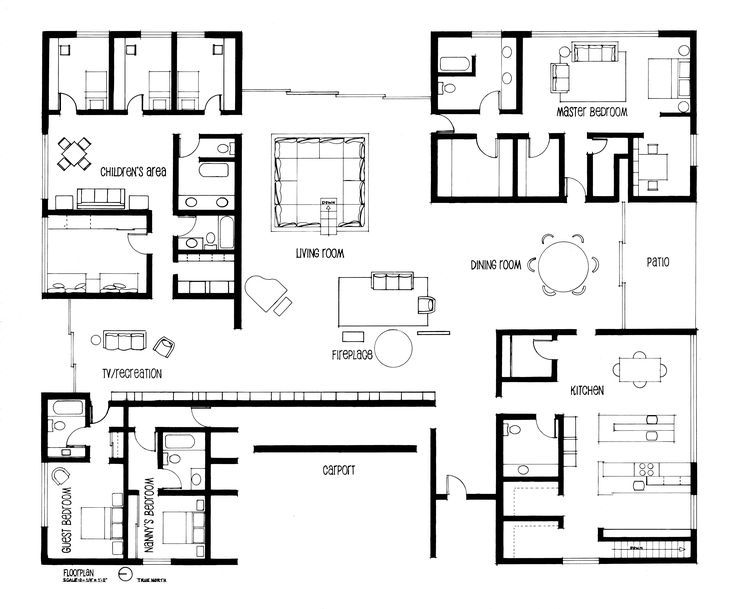
– Depicts the important furniture, and thus the purpose of each area of the house clearly
– Dark, thick poche (which additionally represents the dark exterior walls of the house well) sections off the four corners of the house, each with different domains: the kitchen, the parents’ domain, the childrens’ domain, and the servants’ domain
– Shows openness and lightness of central shared domain, with no walls separating the living room from the TV/recreation area or the dining room, and a thinner, lighter poche for the windows to represent the openness and light that they bring in
– Includes the carport and patio, areas that are both interior and exterior spaces
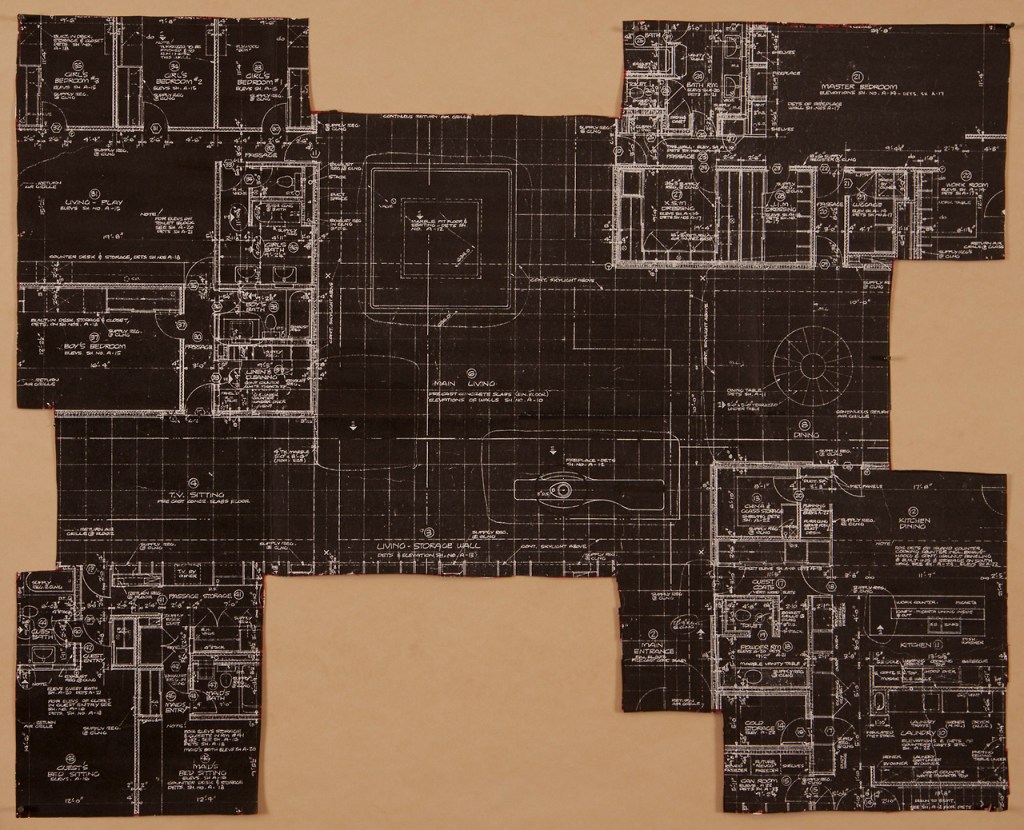
– Includes the accurate dimensions of each room
– More specifically labels rooms and depicts more furniture to give a more detailed image of even the smaller spaces
– Heavily uses grid, conveying the modernist style of the house. This is accented by the inclusion of the skylight grid (the dashed line tic-tac-toe grid with the x’s at the four corners), an innovative modernist feature that spreads natural light evenly throughout the house
– Shows, through the skylight grid, the connection between the four distinct domains in the corners of the house, since the skylight grid borders an entrance to each of the four domains.
Example of the skylight bordering a doorway to one of the sectioned-off domains
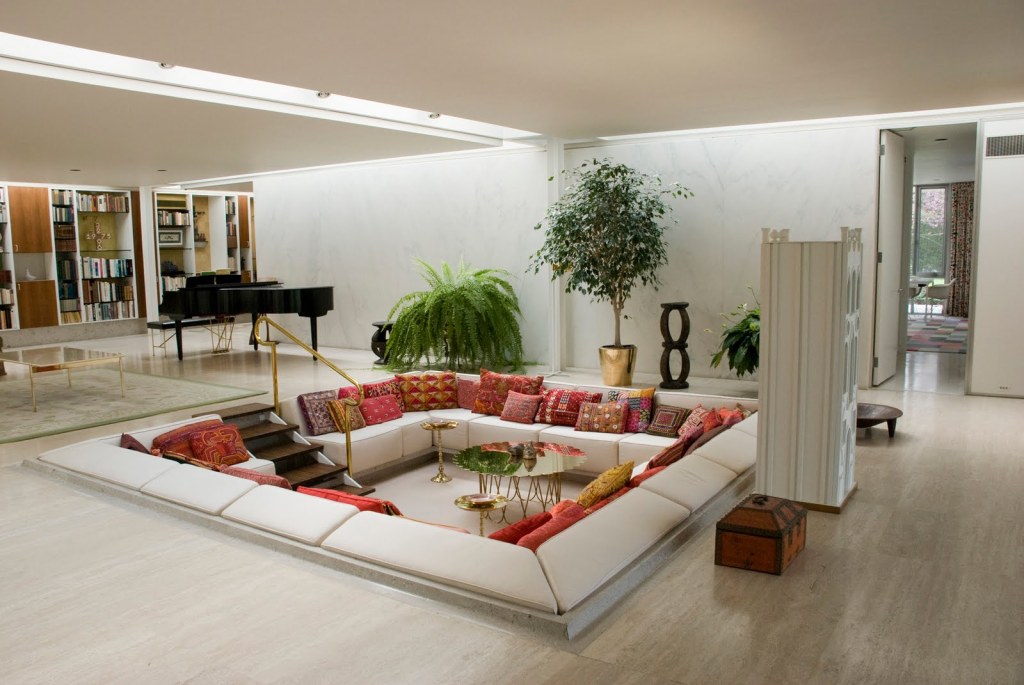
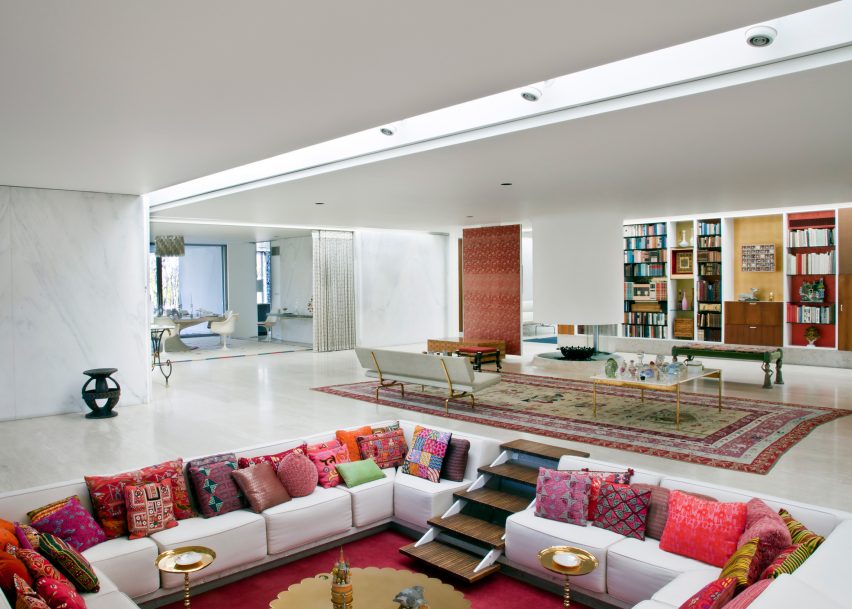
The center area of the house is light and airy due to the lack of walls separating shared living spaces, and the large windows and skylight grid
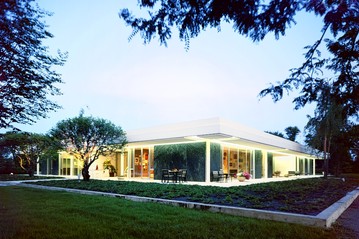
Exterior of the Miller House

Pond Lawn Domain

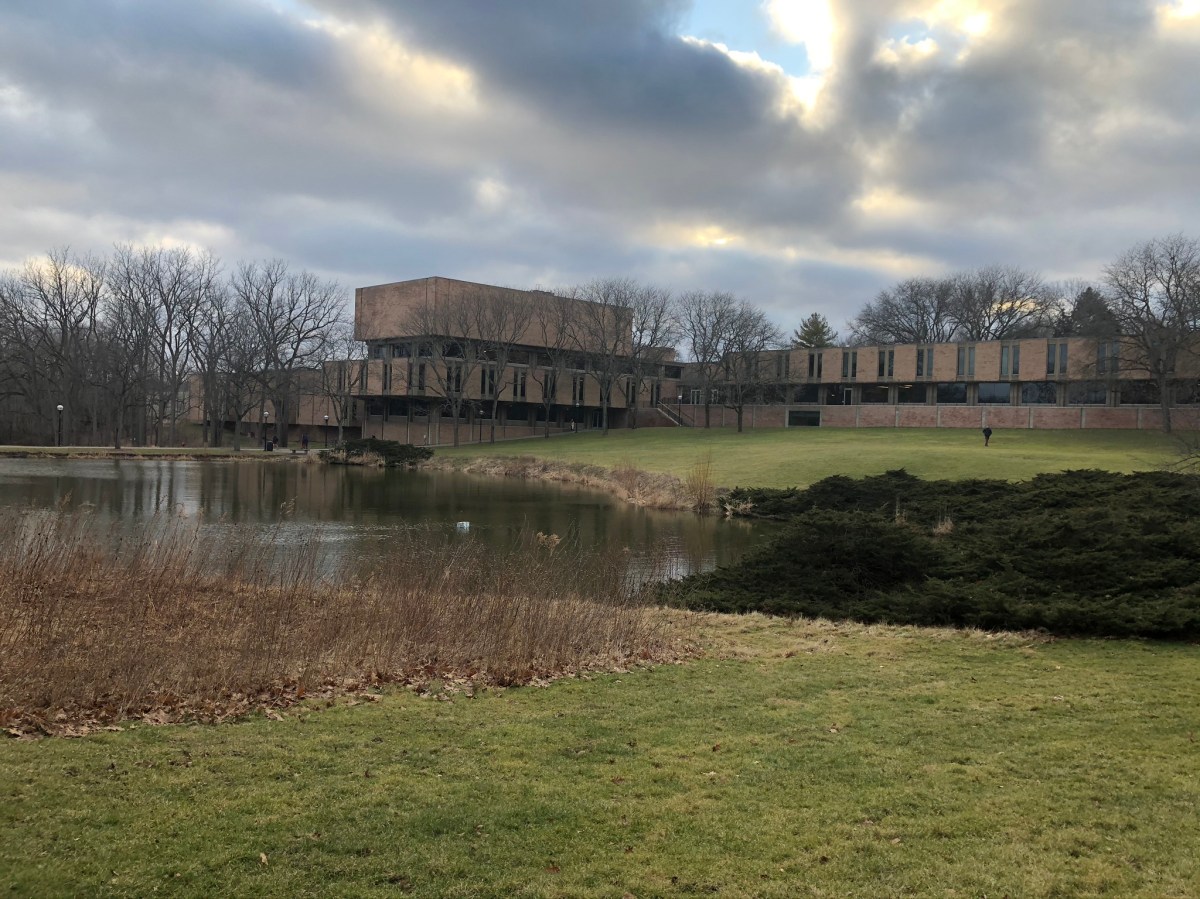
The domain I chose is the pond lawn domain. Encompassed by Eero Saarinen’s Earl V. Moore Building, housing the school of music, on two sides, and by forest on the remaining two sides, this peaceful spot of greenery is unknown to most students at the University. However, this adds to the magic of the pond lawn; you are largely left alone to absorb the charm of nature, to soak up the sun on warm summer days, or watch the snow fall on typical Michigan days. It is a public space, yet a domain where you infringe on no one else’s space and no one infringes on yours. This provides a feeling of comfort, because as Lavine explains, “Domain begins with a sense of our own bodies and a distance around them that we consider to be our own territory. Invasion of this boundary produces discomfort,” and at the isolated, hardly occupied pond lawn, there is enough space for anyone who dares venture those 50 yards from the rest of North Campus. The grace of this open green, open space is that it fulfills a role missing at the rest of North Campus. Between all the buildings and the seemingly random paths of the Grove connecting them, there is little space that can be used to the students’ discretion. What green space there is is not large enough to play sports, nor is it peaceful enough to study. At the pond lawn, students have an unparalleled freedom. They can come with a friend and a ball and play catch, or bring their laptop and book and study on the grass, enjoying the natural beauty and silence of the domain. On the rare warm days, students can even work their way into the little notch in the bushes surrounding the pond, sit on the tiniest of beaches, and dip their feet into the water, letting their worries dissipate through their feet into the pond as they relax in the peace, beauty, and sunlight of the pond lawn, a feeling desperately needed in the stressful college environment we all live in.

Design a site like this with WordPress.com
Get started