Reading Response 5: Sociability

Liberty Community Plaza
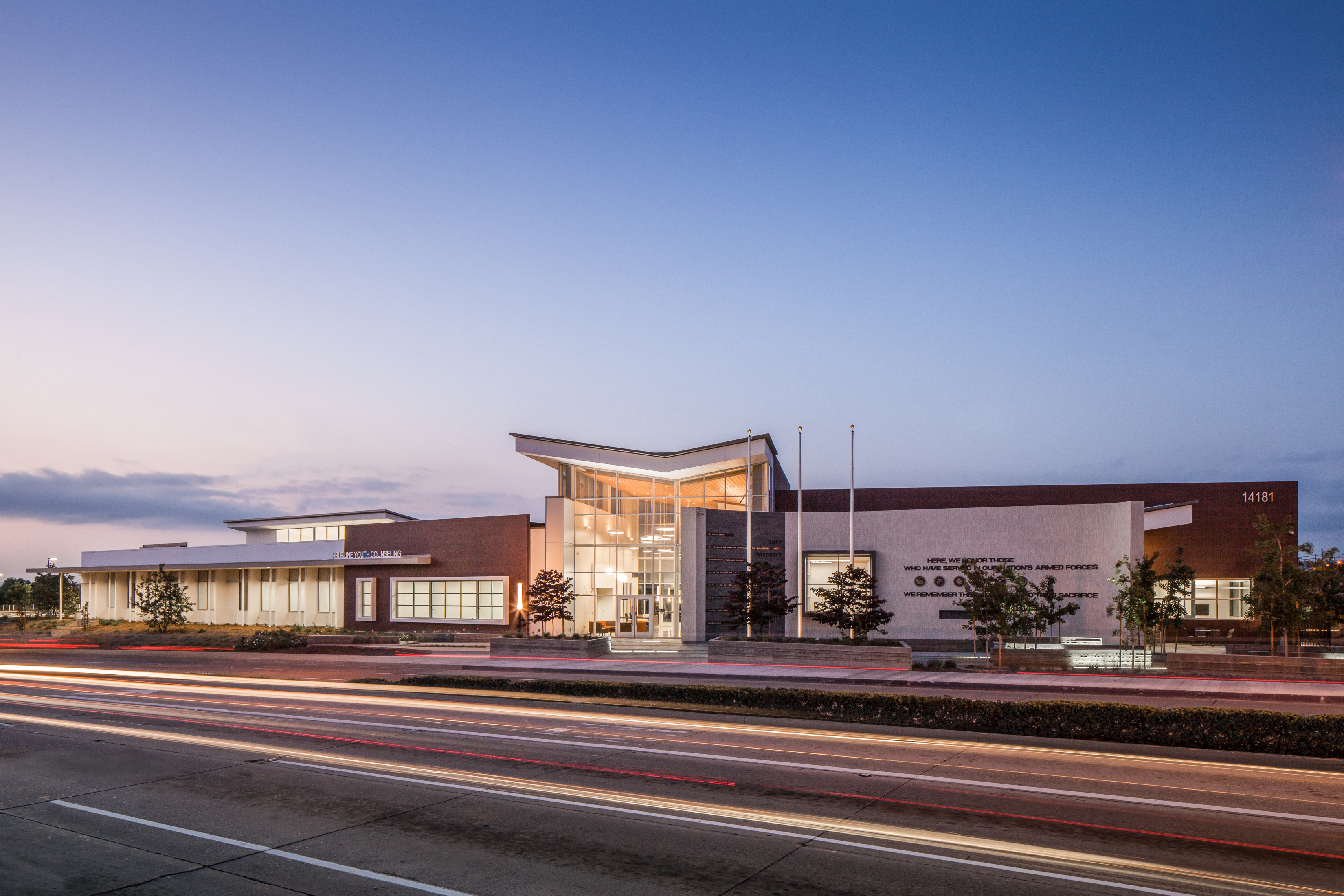
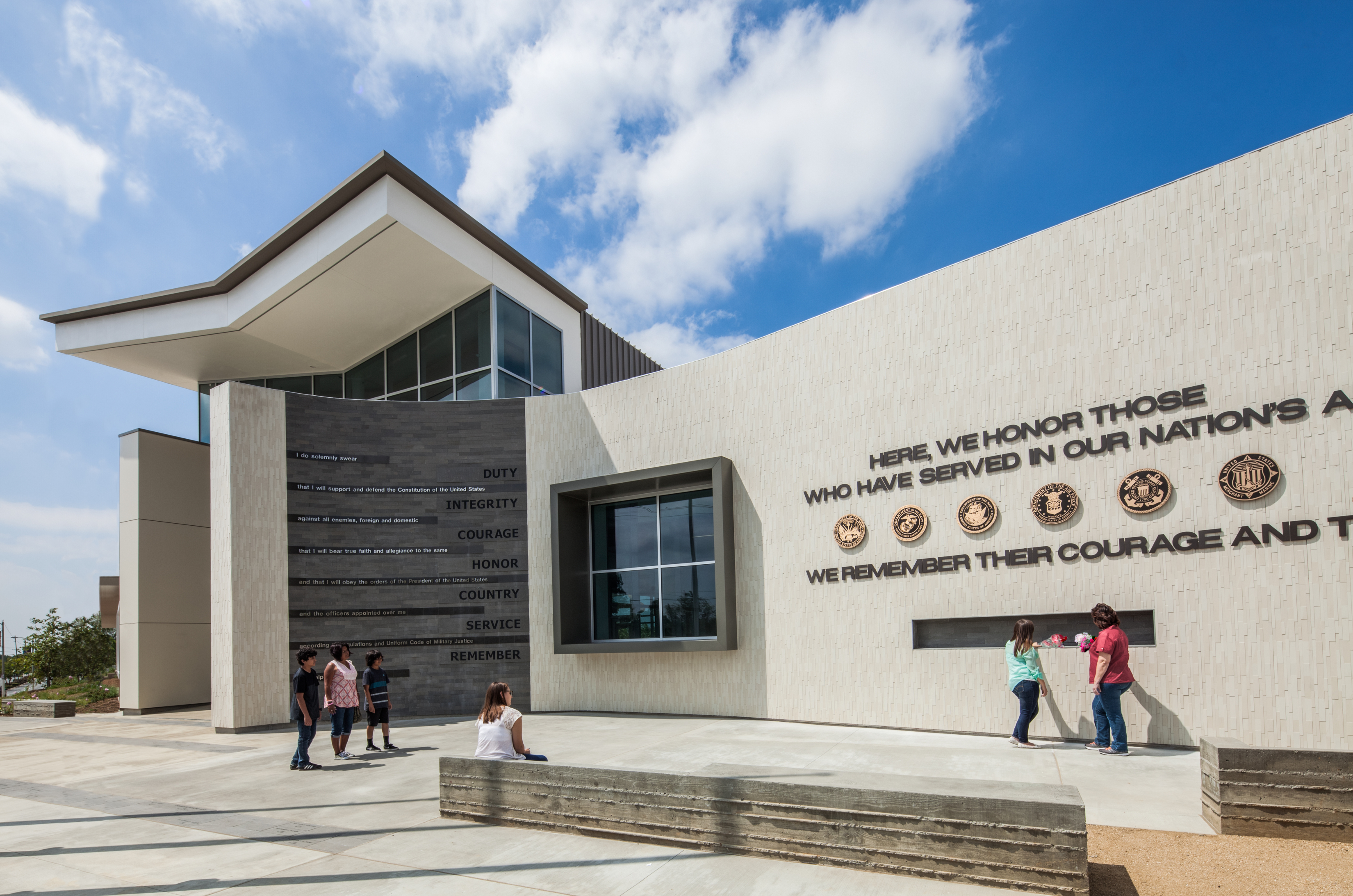
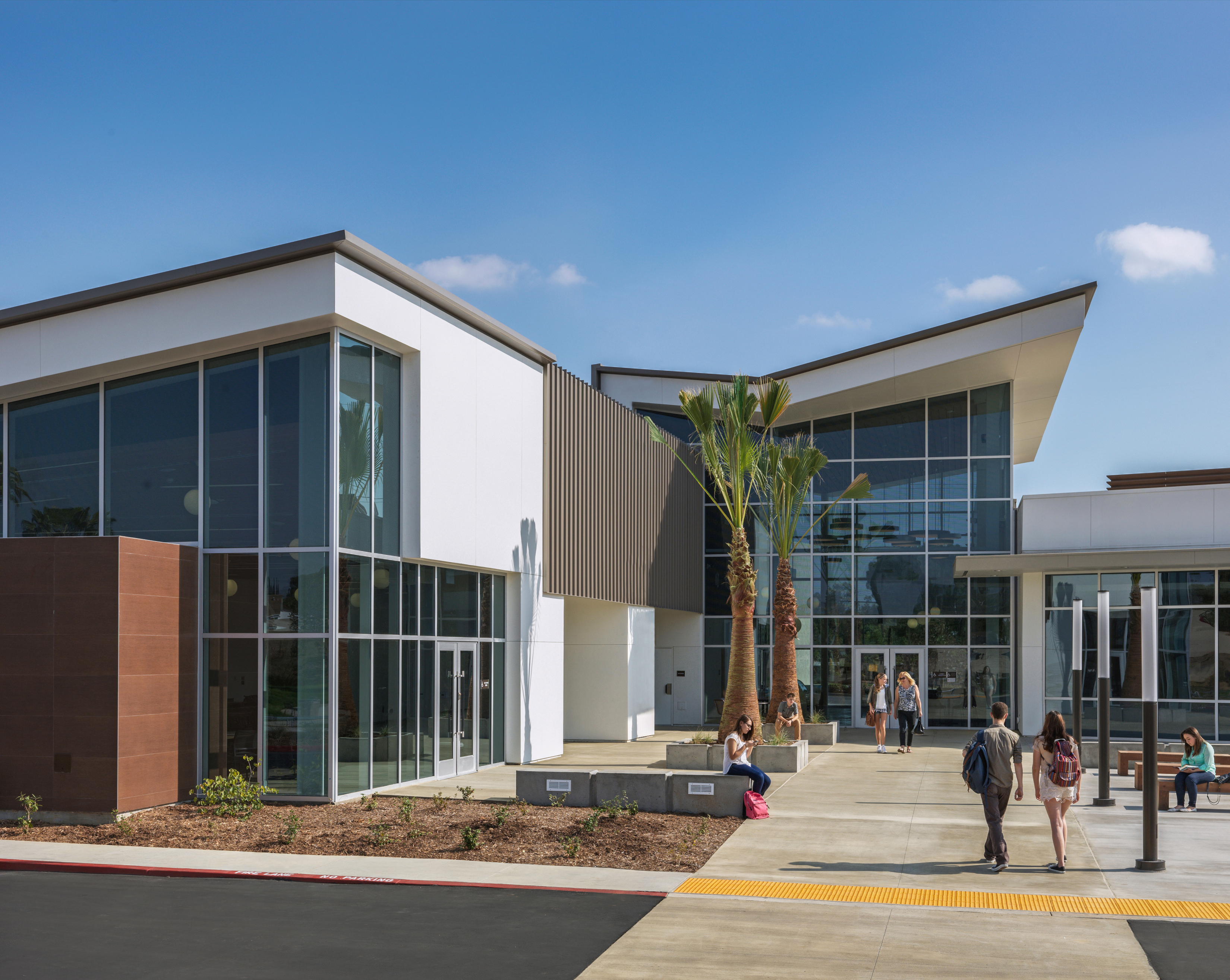
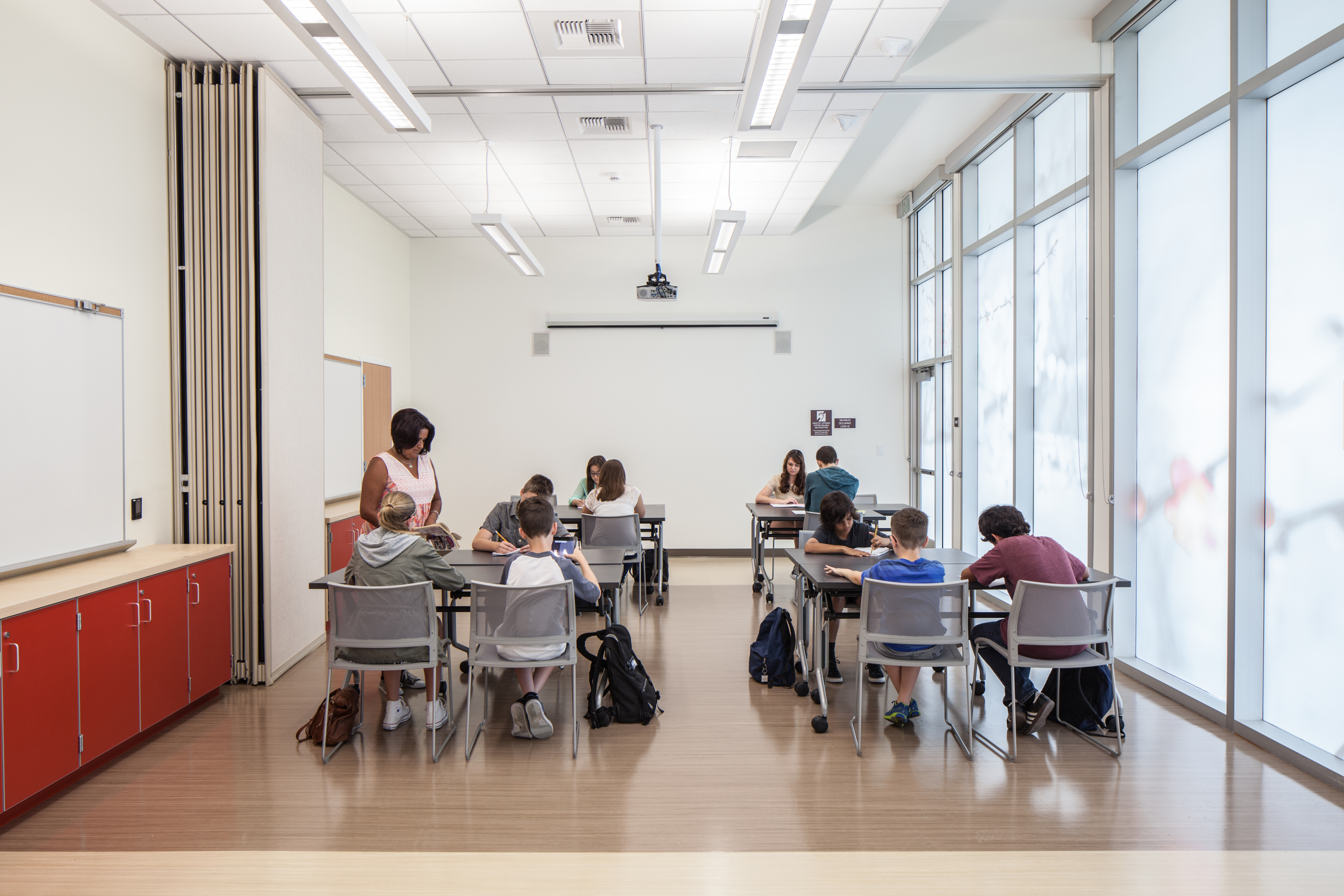
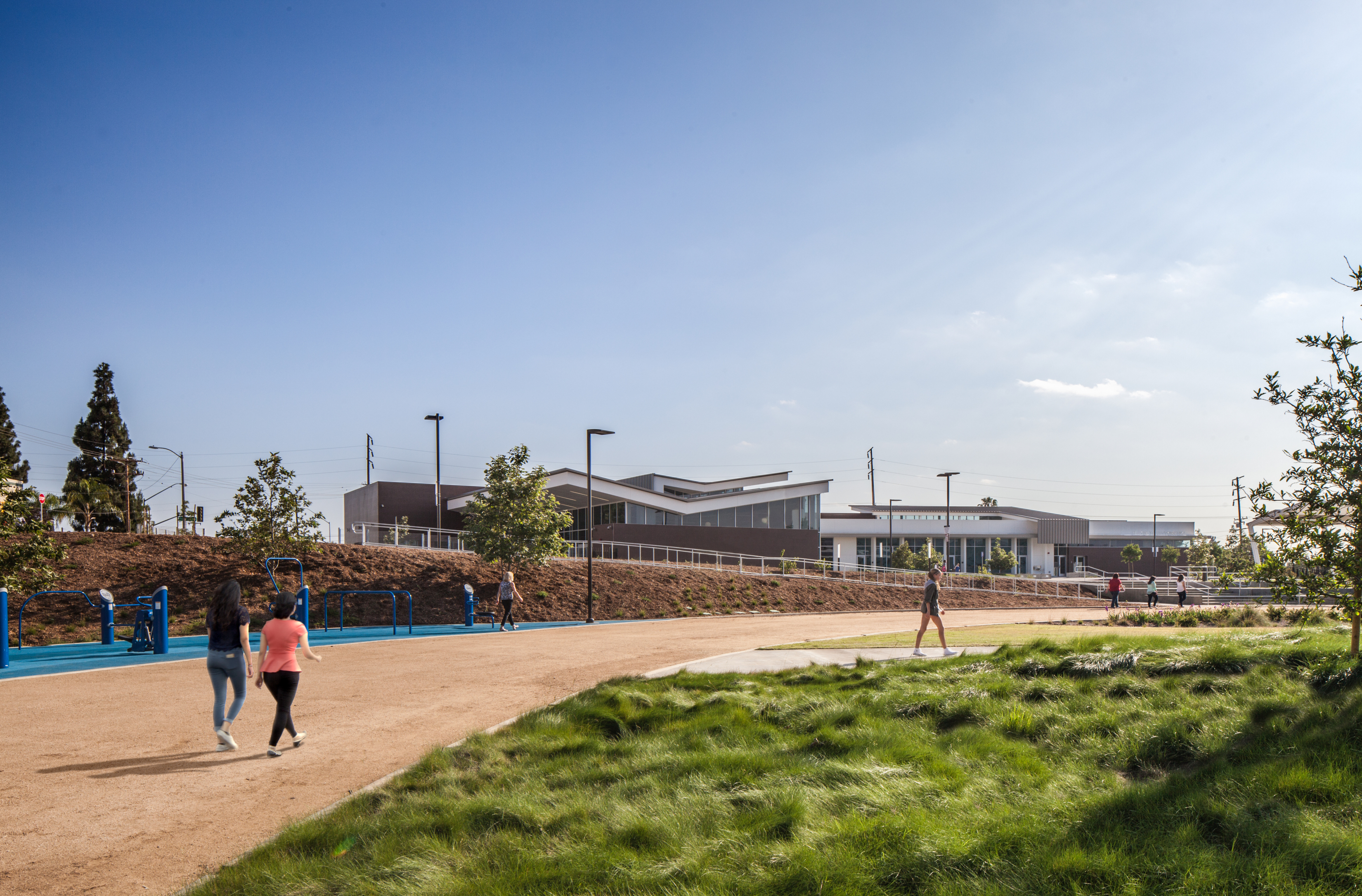
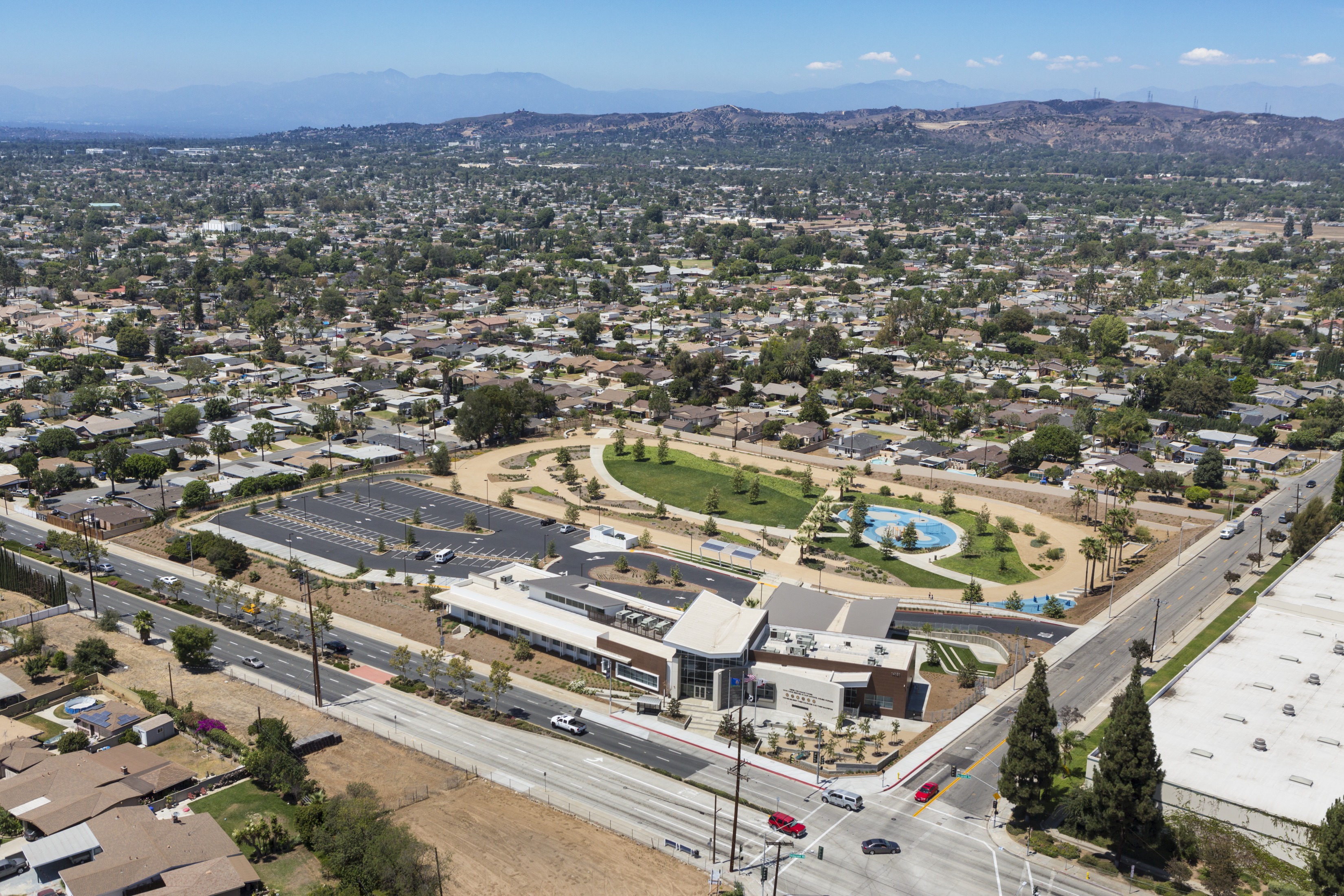
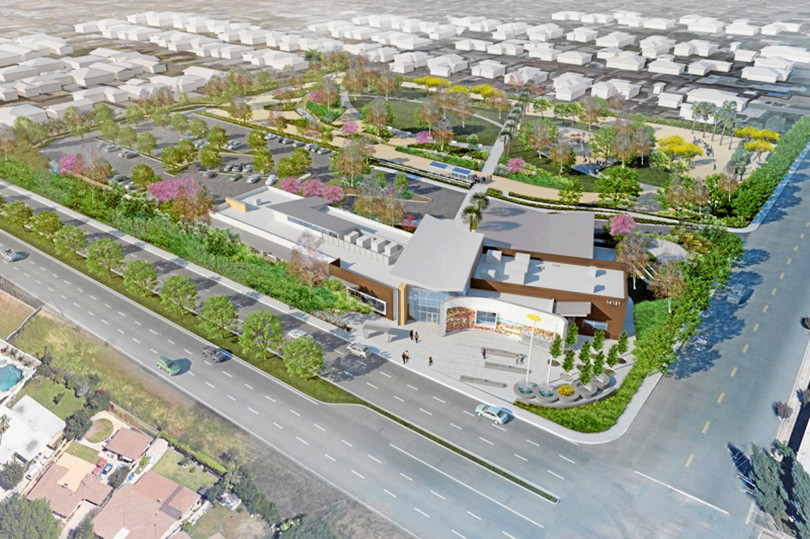
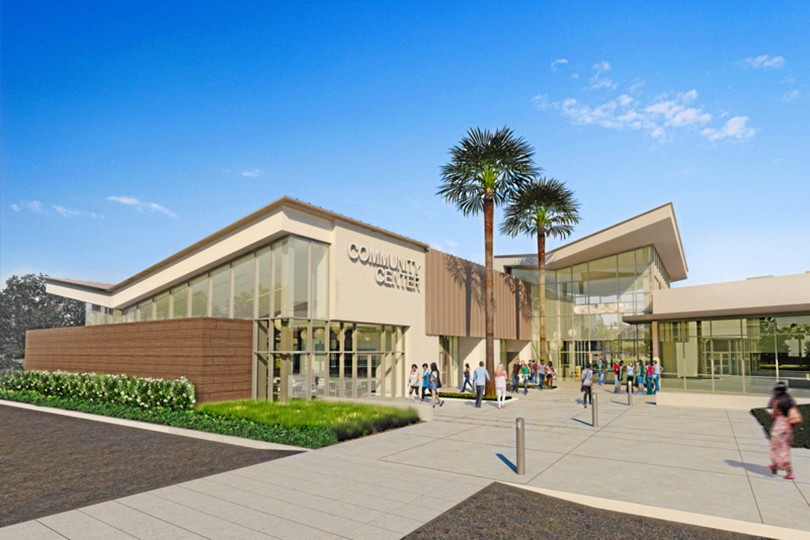
The City of South Whittier, California has had a rich history of its own but lacked a key aspect that many other surrounding cities have managed to do – and that is to provide a central gathering place for residents to enjoy and appreciate. This plaza was designed to unite the citizens of South Whittier in a multifunctional place that can provide educational, recreational, and historical resources for residents to freely engage with.

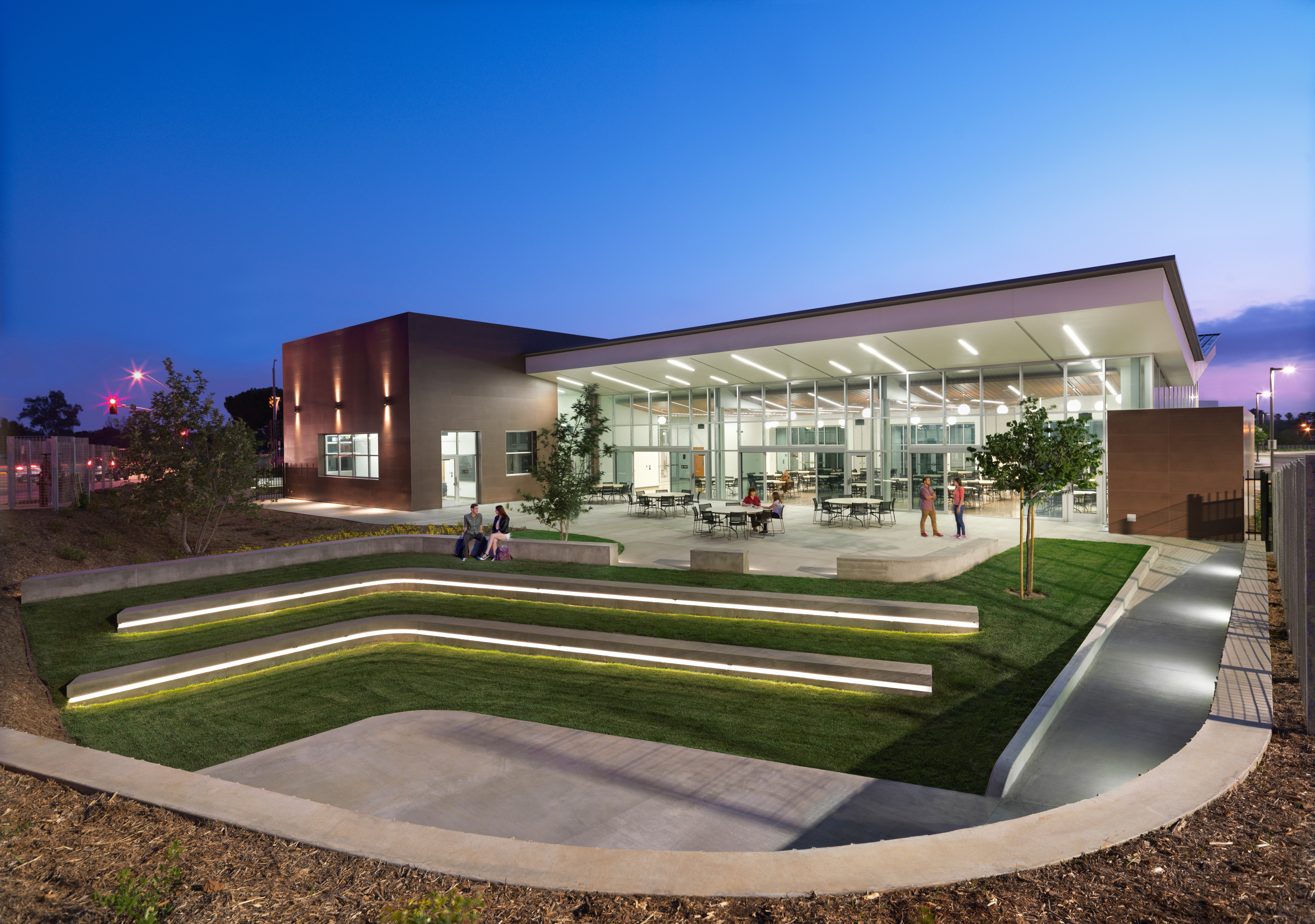
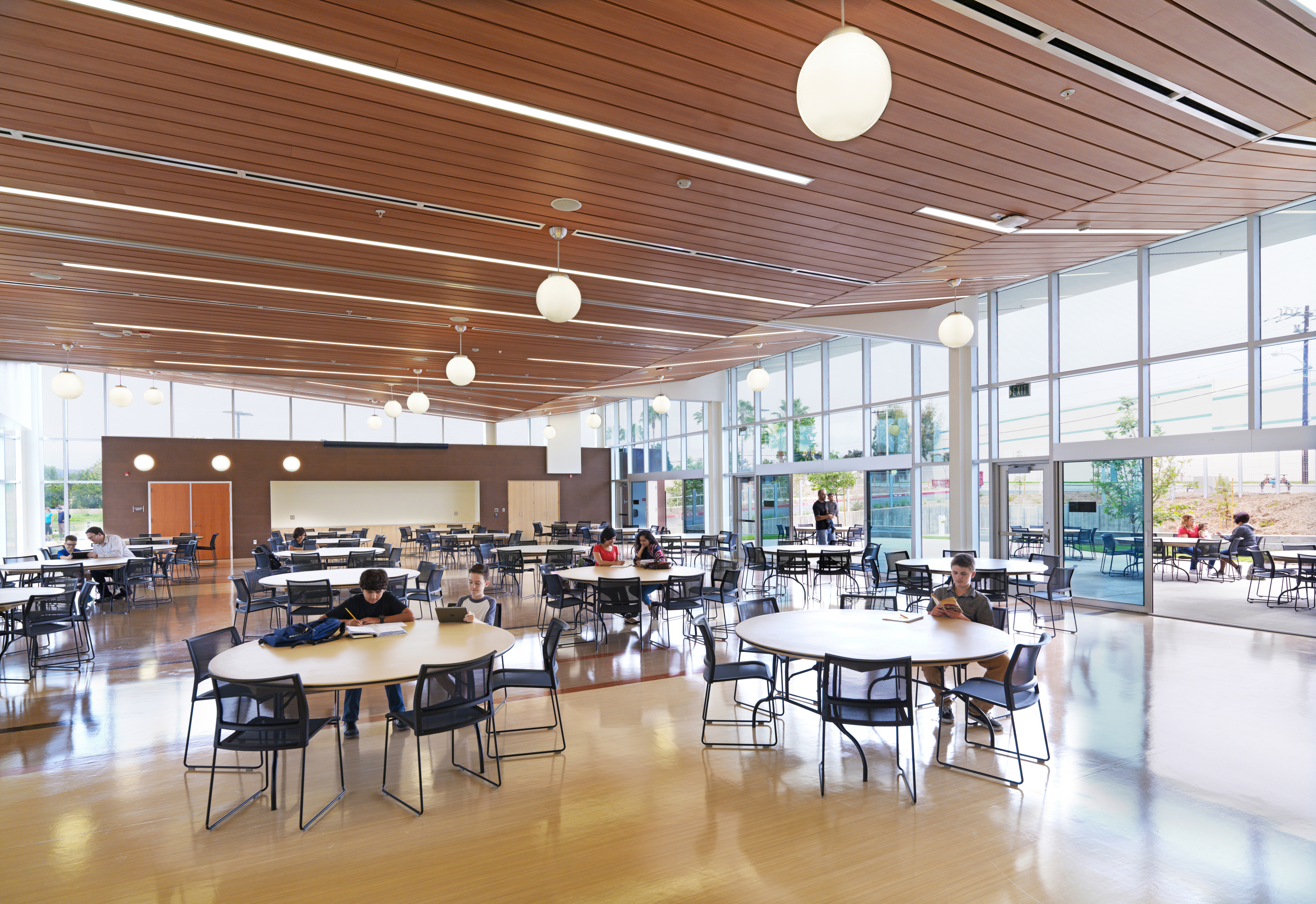
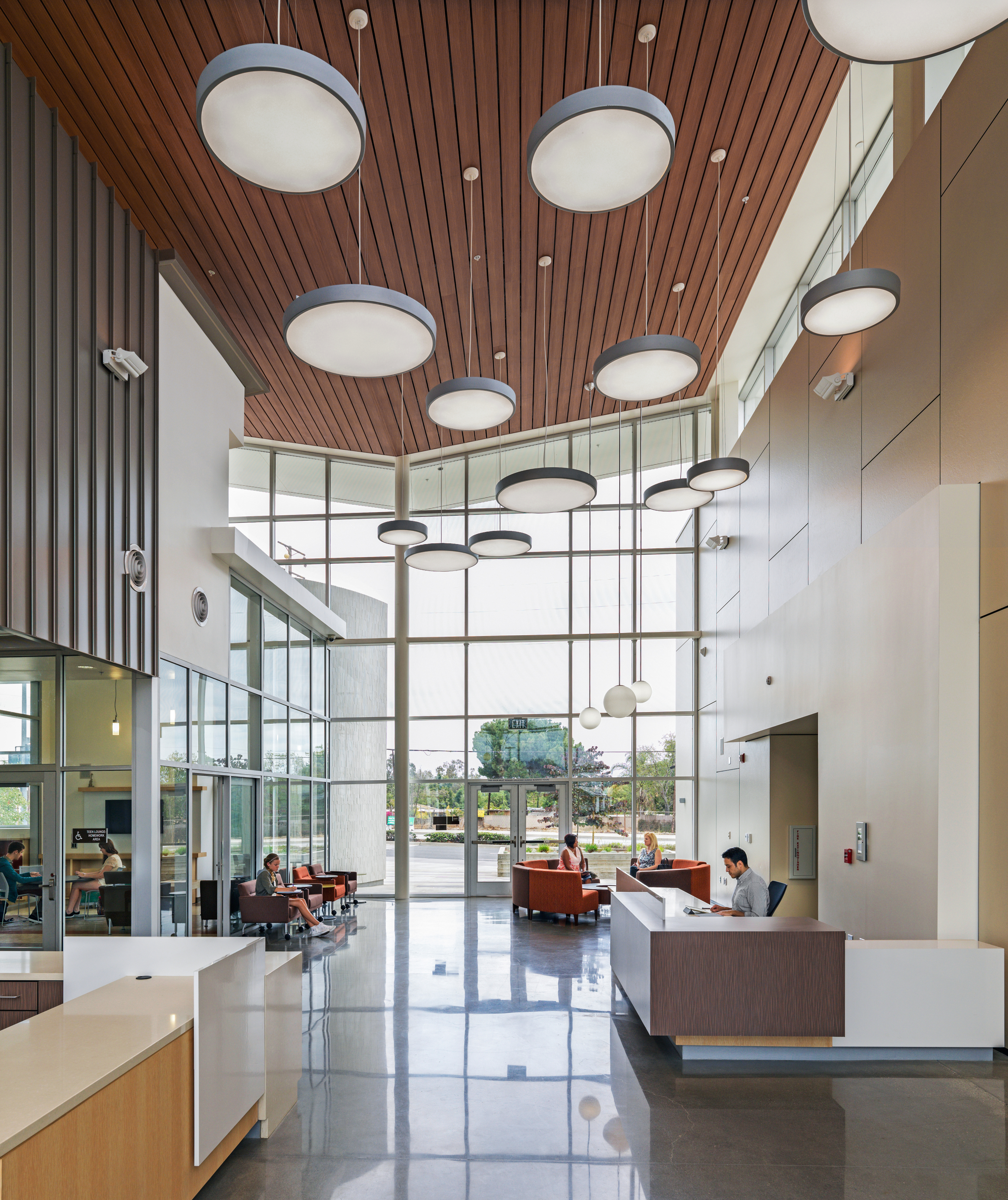
Before this community center was built, there was outcry from residents of South Whittier for some sort of central gathering place that is designed for everyone. The idea for this multipurpose plaza grew out of the idea of accessibility and a use for all residents. Thus, they built large gardens, walking paths, meeting spaces, classrooms, a game room, a café, and a dedicated area for youth counseling. In addition to allowing residents to freely come and gather, the plaza has areas such as an outdoor amphitheater built into the ground of the park that can accommodate over 200 residents for one of the many organized events that this community center hosts. 

Once completed in 2015, residents immediately fled to it and it received a ton of positive reaction from the public, which is actually always a concern about building places like these. A place for everyone means everyone’s opinion matters and the way this place has integrated everything from a veteran’s memorial to a children’s play park shows that places like this do work – and that architects need to evaluate all aspects of how people are to use it in order to develop a truly refined design that satisfies its social responsibility to the public.

https://www.libertyplaza.org/our-facility

Project 2: Stool

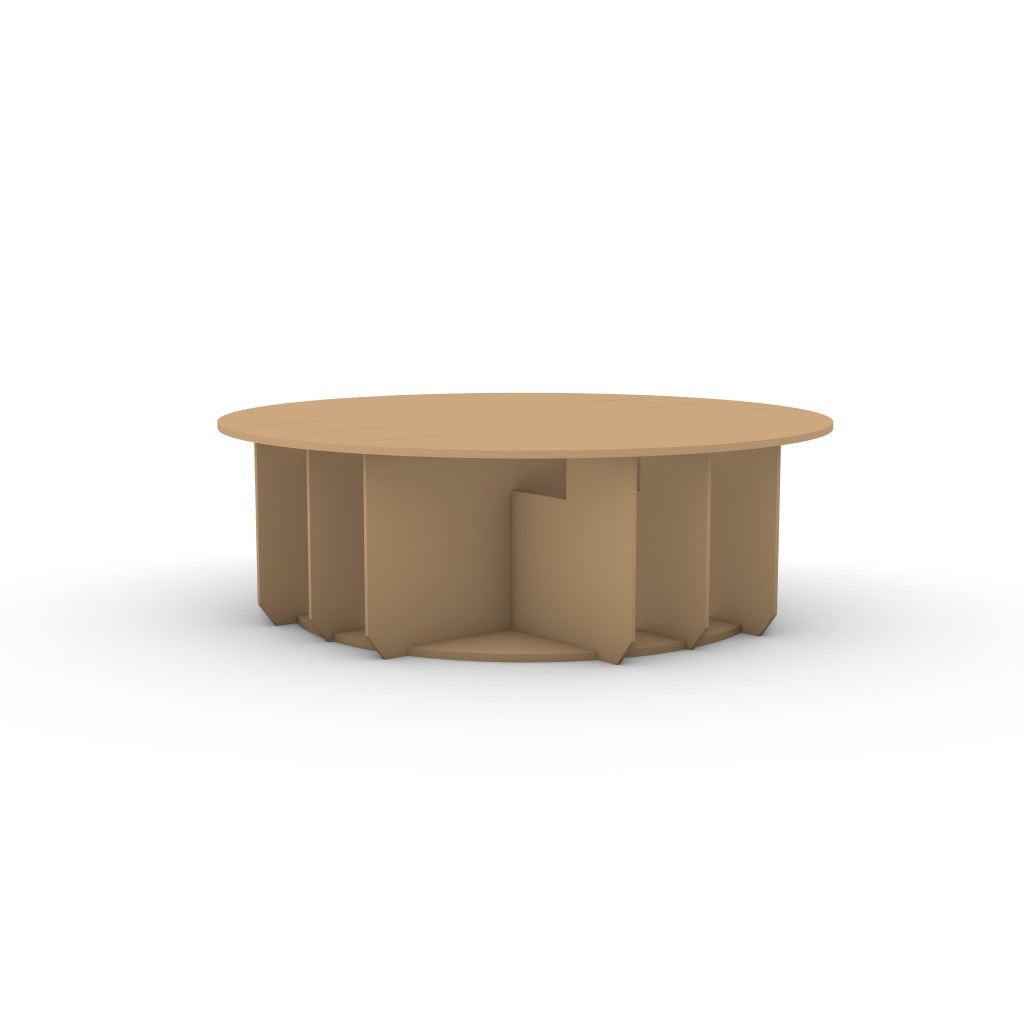
Quick Assembly Footstool

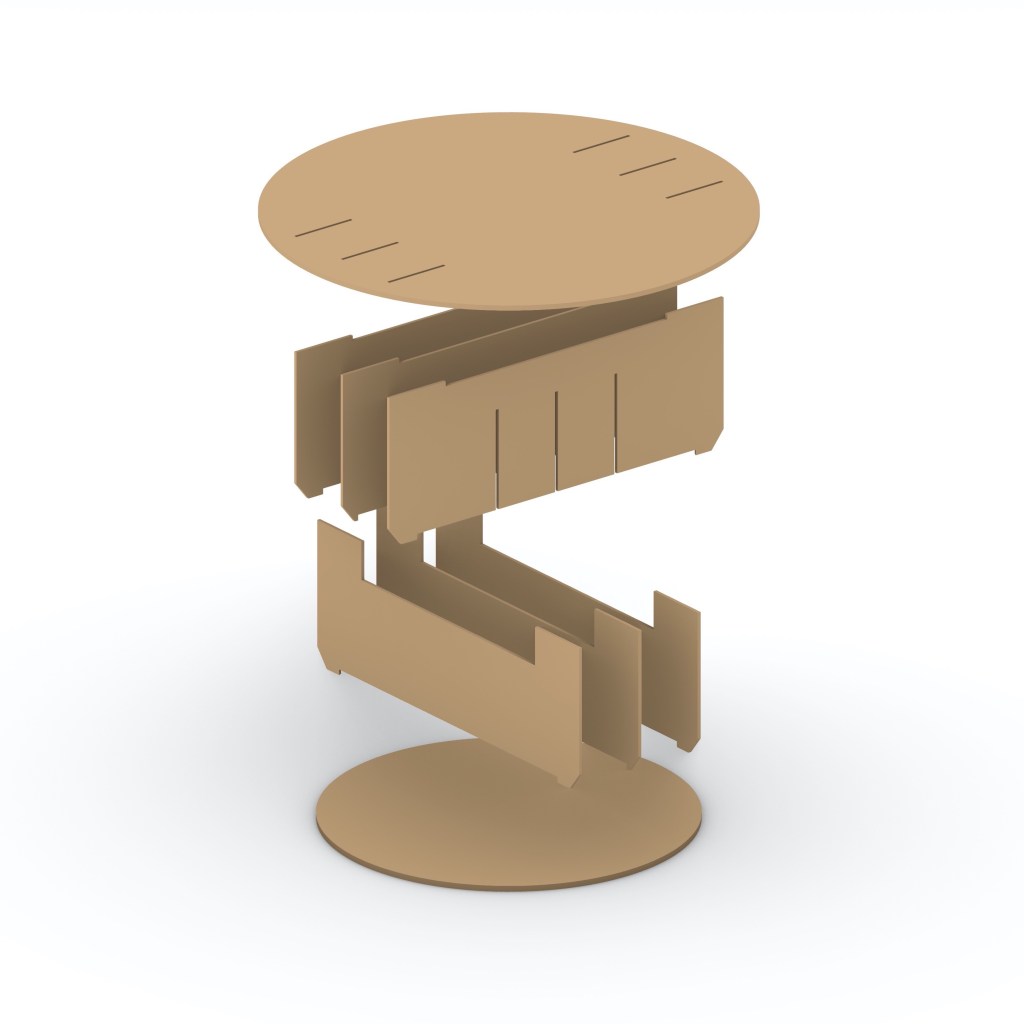
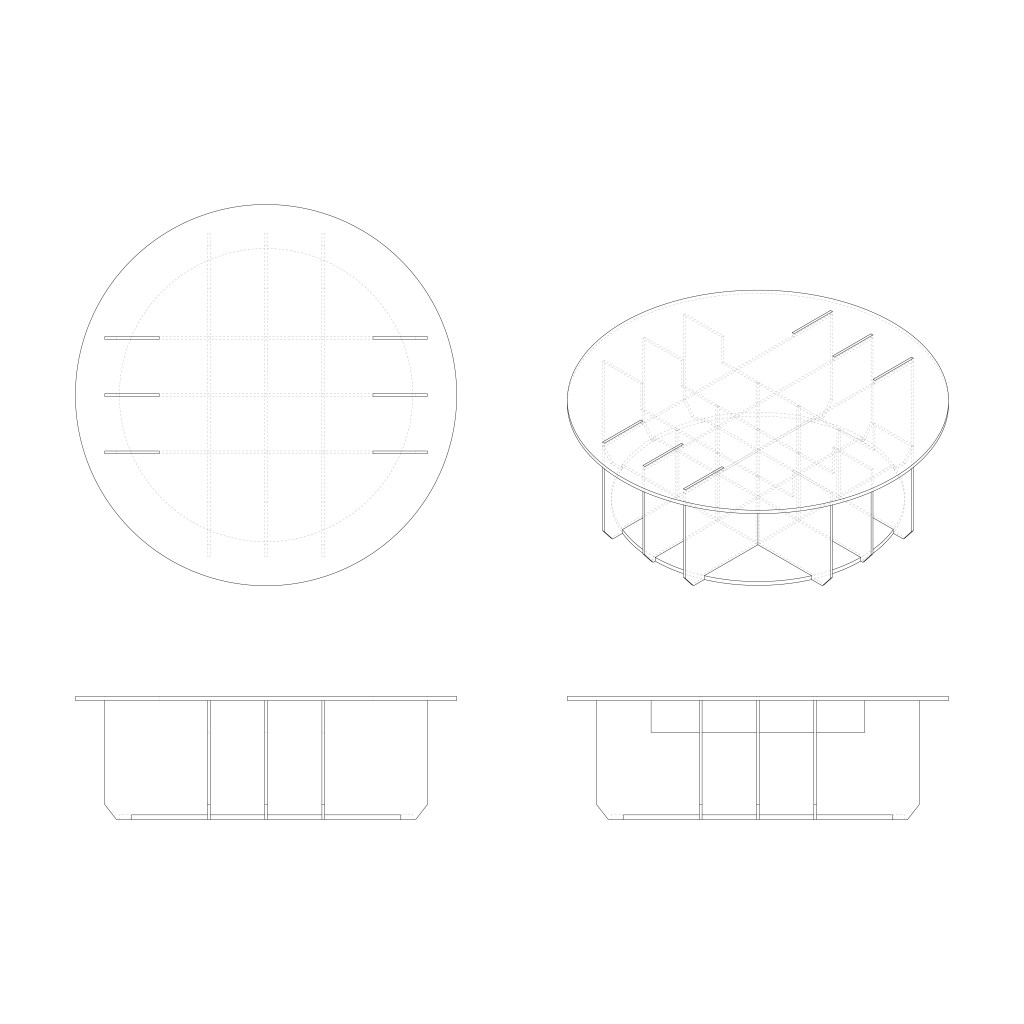
In this project, my main focus was intuitive assembly. I needed to implement a linear construction pattern that would wouldn’t necessarily need an instruction document for someone to figure out how to use it. With easy construction, I couldn’t let it come at the cost of strength and durability.

I made an interlocking system that includes 6 vertical slices of cardboard that interlock with one another, and are reinforced on both the top and bottom to prevent shifting and bending in any other direction. Everything comes apart vertically so the intentionality and careful thought of the assembly process shows the user that this is an accessible and moveable object.

Reading Response 04: de-tale

Shokan by Jay Bargmann

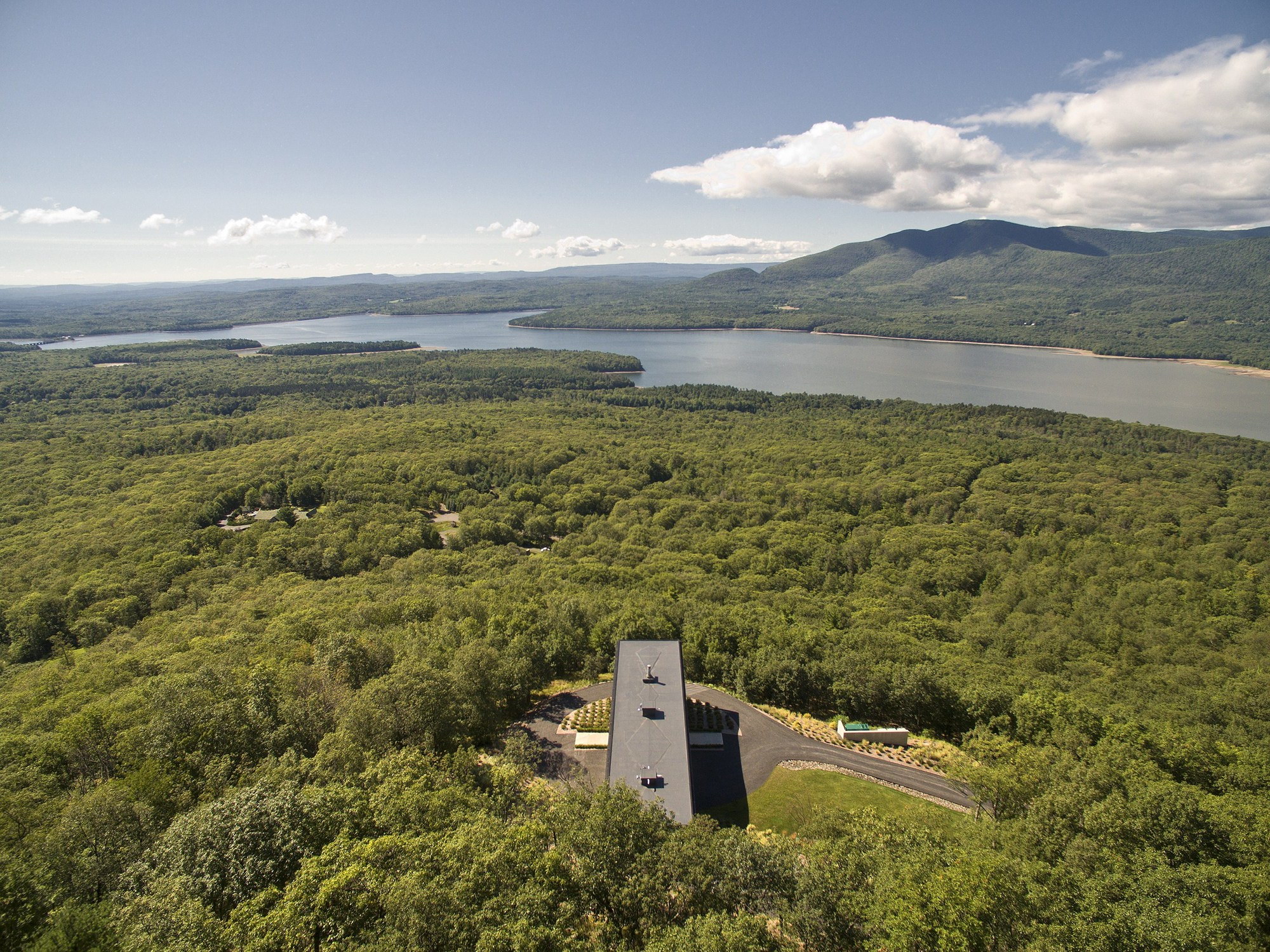
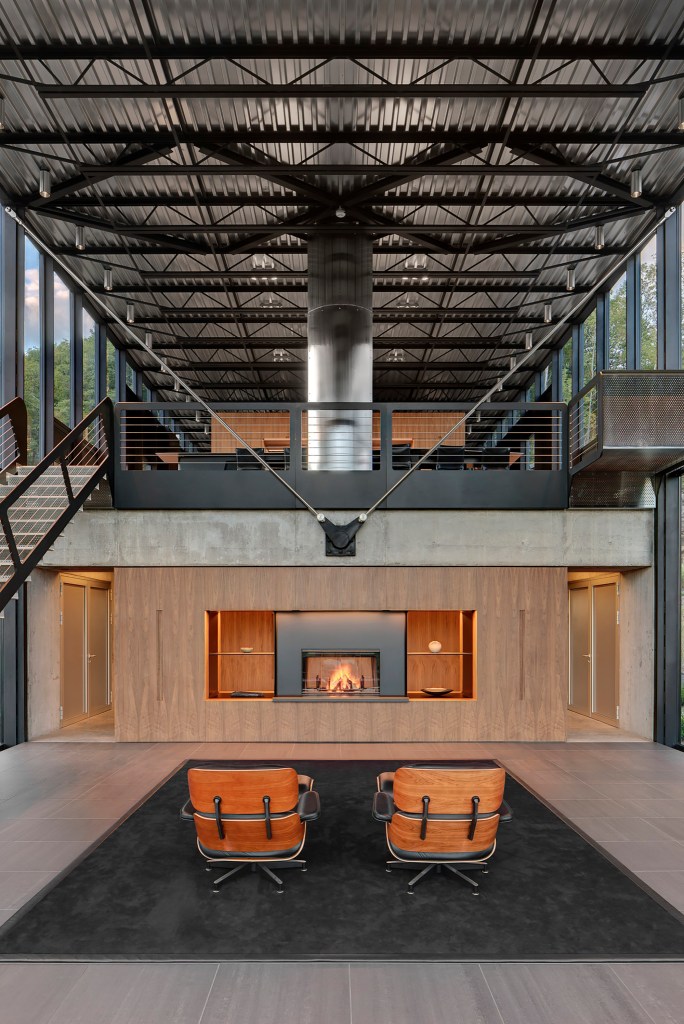
Jay Bargmann’s Shokan house in upstate New York presents itself as, at least when presented solely by itself, a place of uniformity and precision. In context though, it is merely a blip in the vast forest space around it. Rather than placed horizontally along the landscape, it is slid in as to cause a lesser disruption to the broader surroundings and essentially be one with it.

While this house, comparatively, is in dramatic contrast to its direct exterior environment, it remains very natural and appropriate for the sort of perceived minimalism it gives off. With the serene forest environment surrounding it, this appears as a solid reflective glass prism designed to perfectly welcome itself in an otherwise untouchable location. While seemingly minimal, its attention to detail is prevalent on the grandest to the smallest scales. From the natural materials and muted and neutral color palette, it juxtaposes the greenery around it as a place of deconstruction and unraveling of beautiful organic environment that surrounds.

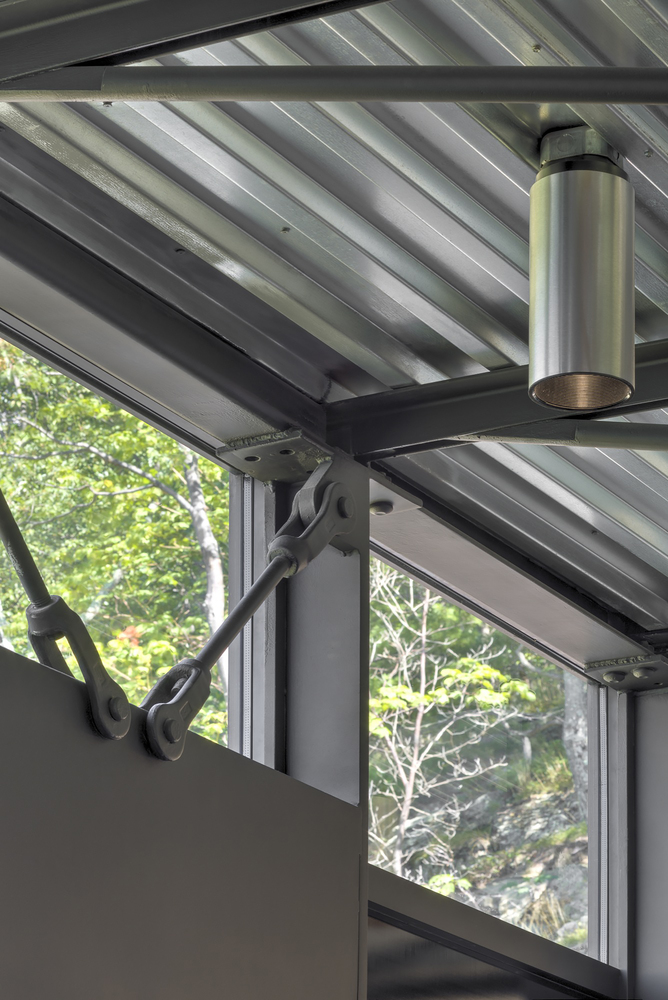
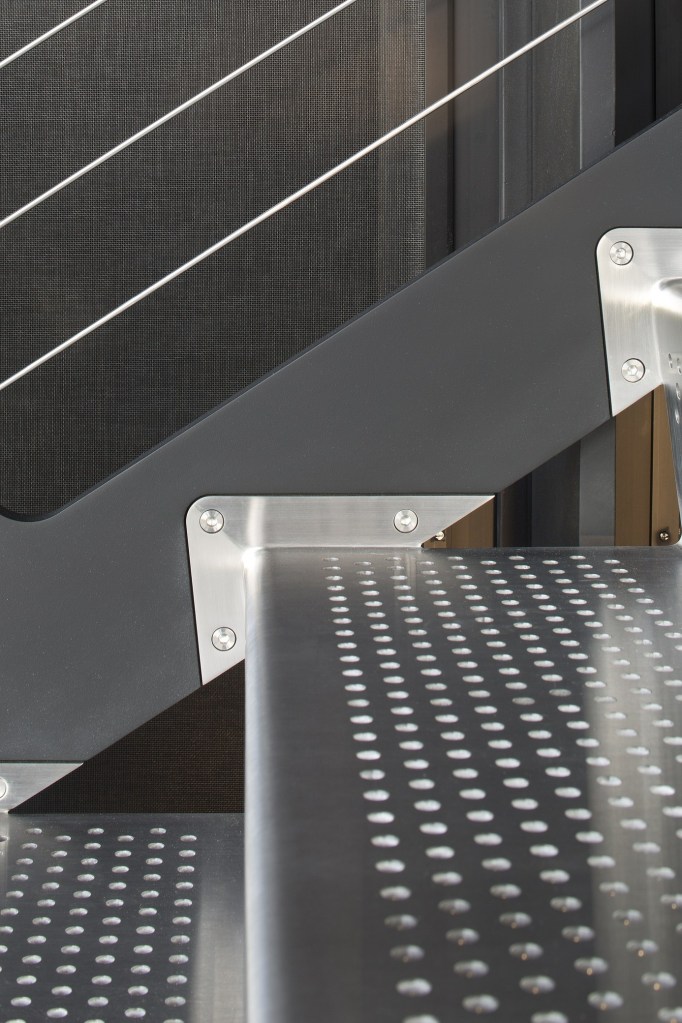
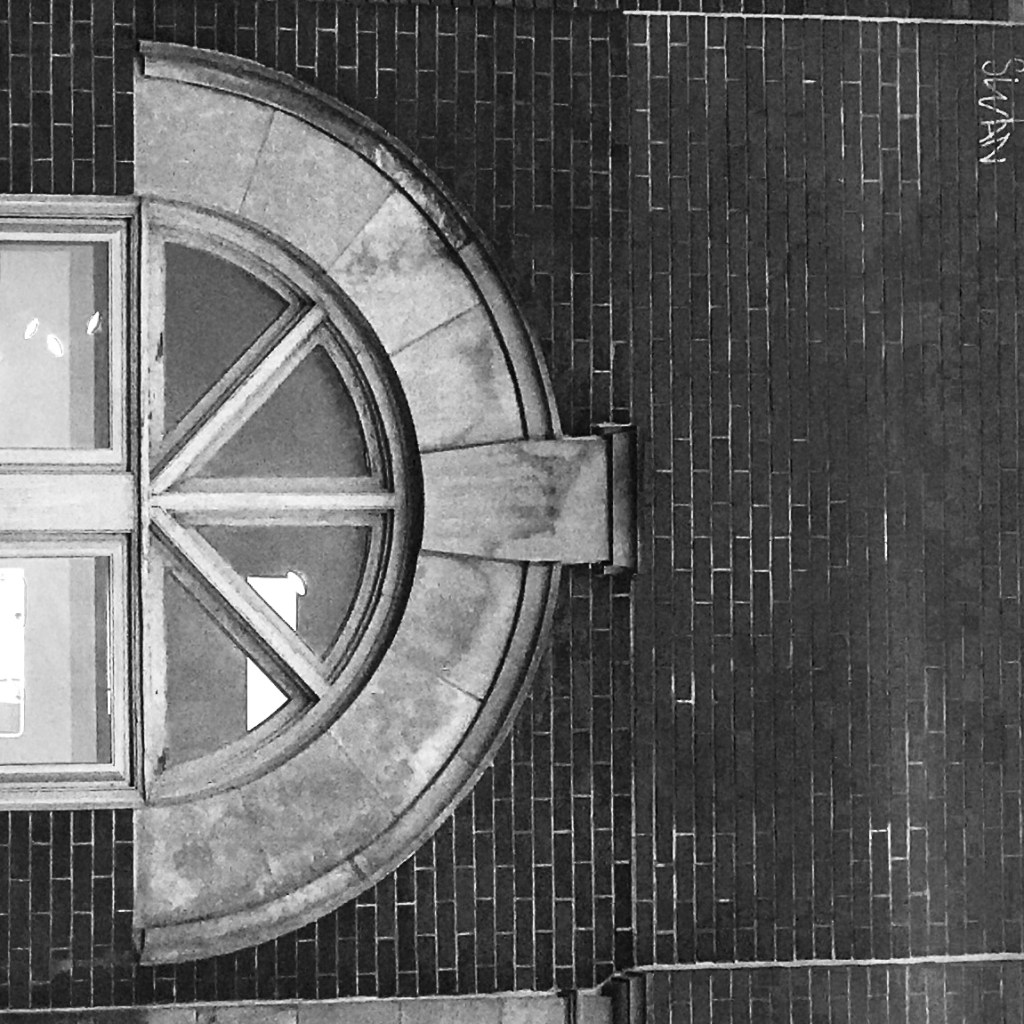
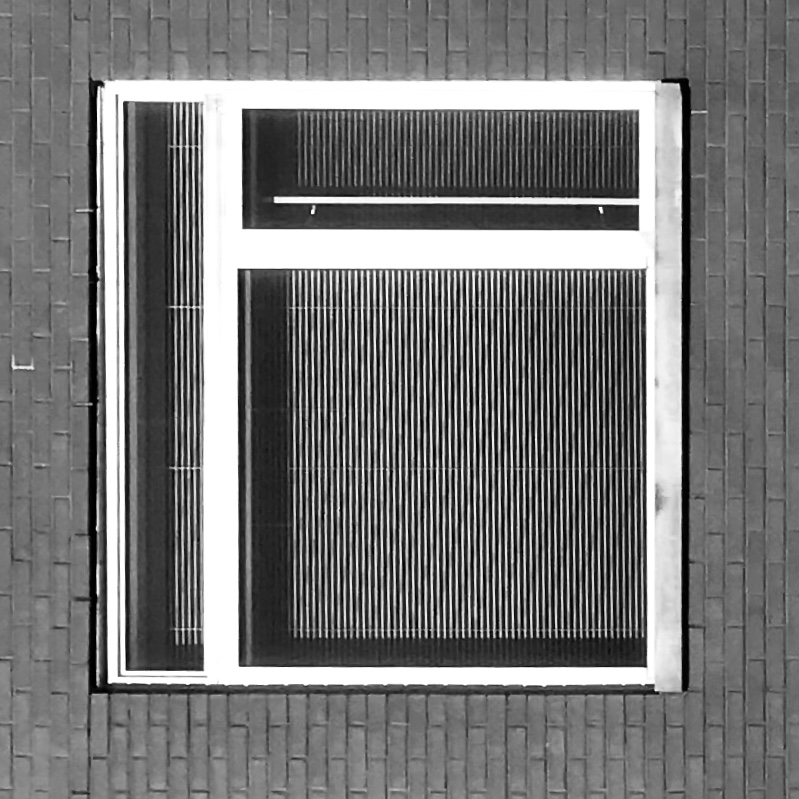
The house was designed with detail in mind. While many have an idea of ornamentation when it comes to detail, myself included, this sets the bar to what modern detail can display. “Every piece records the construction of the house and is essential to the concept,” said the architect. The story of this house is certainly one of honesty and reflectivity of its being. The natural environment around it is the star of the show and this house isn’t trying to be anything its not. Thats why the story of its construction is anything but hidden. It has a reason for being there and it’s explaining to everyone why.

This house doesn’t make sense if it were in any most places. The forest is such a raw, untouched environment that nature and its fundamental laws are all it is. Shokan is designed to capture the essence of the idea of logic and self-sustainable nature in its details. Everything has one purpose and one purpose only. I tend to believe the laws of nature follow the “form follows function” rule and the architect knew that was essential to integrate when designing this house.

Just as in nature, the beauty lies in the details and intricacies of its natural functions. While from afar it presents a stark offset to the landscape, its entire concept is a detail in which the closer you look, the more you unpack its story.

Reading Response 03: edu-tecture

Galaxy SOHO ­­by Zaha Hadid – Bejing, China

DOCUMENT

  1. Sociology – I think learning about the development and structure of a functioning human society could help to figure out the best position and layout for efficiency and engagement, especially for a place designed for high foot traffic.
  2. Urban Planning – I took an intro Urban Planning class even though I plan to be an architect and it was actually extremely beneficial. I just assumed most architects had some preconceived sense of how the build environment is designed and functioned but by understanding why and how certain decisions were made can help to make a building that would fit the environment better and is a conscious of its place in it.
  3. Digital Drawing – For any structure really, but this one in particular, given its extreme complexity, needs a rigid and firm model to reference. Whether that is for design, engineering, or construction, something that is detailed enough for everyone on the project to reference is key. This class does a great job at introducing CAD modeling for these purposes yet could certainly expand more on BIM compliant software.
  4. Surface Structures – While this is a functioning building with many functional components, the overall shape is certainly out of the ordinary. It is very fluid and continuous. This class can provide a great asset in understanding the behavior of continuous surfaces through physical and digital experiments.
  5. Beautiful Objects – This Stamps class provides a new level of thinking of traditional overlooked objects. While very reminiscent of product design, we challenge and question what makes something truly beautiful. This building can certainly be said to be “beautiful” but understanding why or coming up with it in the first place is something this class can help with. By removing all the traditional aspects of a building and completely rethinking them, new ideas of how to perform certain functions can emerge.
  6. Product Design – Understanding how to design products for function can certainly be helpful for building spaces who is also primarily design for function. By evaluating what function means and how seemingly similar products can carry vastly different functions is certainly fuel for new architectural thinking. This building can be said to have many functions but choosing which ones to prioritize and focus on is something this class can help to narrow down.
  7. Generative Design Computing – This building is so different and striking that I question how the design was imagined. I am familiar with the work of Zaha Hadid and I know that they spend a lot of their resources on design research – especially with computer generated aid. They explore new ways of constructing form and creating space in between using certain algorithms and computer processes. This class can help to create these new designs and explore the realm of what’s possible for design.
  8. Physics for Architects – This course can be self-explanatory in many ways as this certainly doesn’t just apply for this project. Architects need to have at least a basic understanding of how mechanical physics works in order for their building to even stand up and support its own weight. Other factors need to be considered such as how light and sound can interact with the environment to create the best experiences for the people in and outside the building.

INVENT

Experiments in Unrestricted Architecture (Architecture in Outer Space)

This course is designed around the idea of creating architecture or ideas of architecture from no predetermined or comparable reference. People think of space as infinite, but architects see space as a finite unit of design. That is because all designed spaces are ultimately bound by rigid factors such as the physical location, including its terrain, climate, and even cultural stature. This course eliminates the boundaries found here on earth and even suspends known constants such as gravity and other physical attributes. By freeing the architect from all preset boundaries, it is up to them to define space within their own bounds and reason. This can easily be stated as architecture in outer space.

Why? Why would students need to know how to make spaces that can’t physically occupy space on the natural world? For as much as we believe that the world has a variety of environments that we can build in, everything we build, more or less, is constructed under the same design elements. By eliminating the control and challenging the status quo, we open our minds to new possibilities of how people move within and understand spaces.

The course schedule would consist of three projects of creating models and representations of new spaces, each distancing themselves further from the present reality and its norms, to a point where it can almost be indistinguishable from anything possible on Earth yet full of answers to questions previous projects may have positioned.

Reading Response 02: Side-by-Side

Frank Lloyd Wright’s Guggenheim Museum New York City

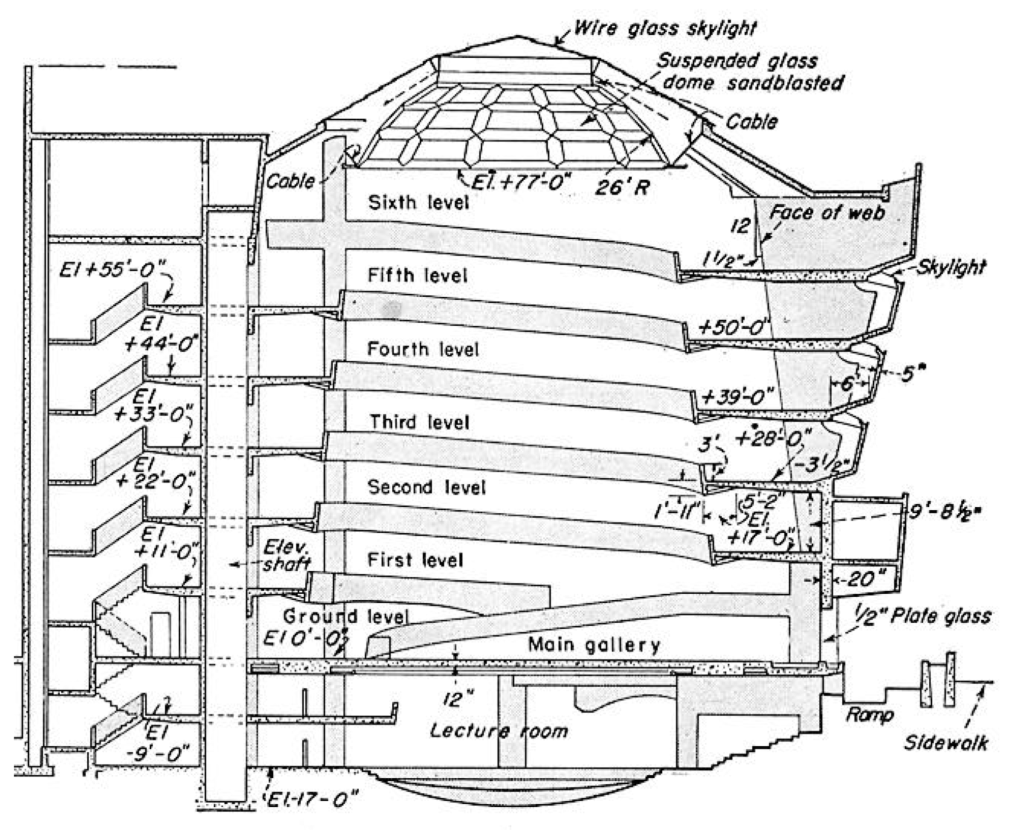
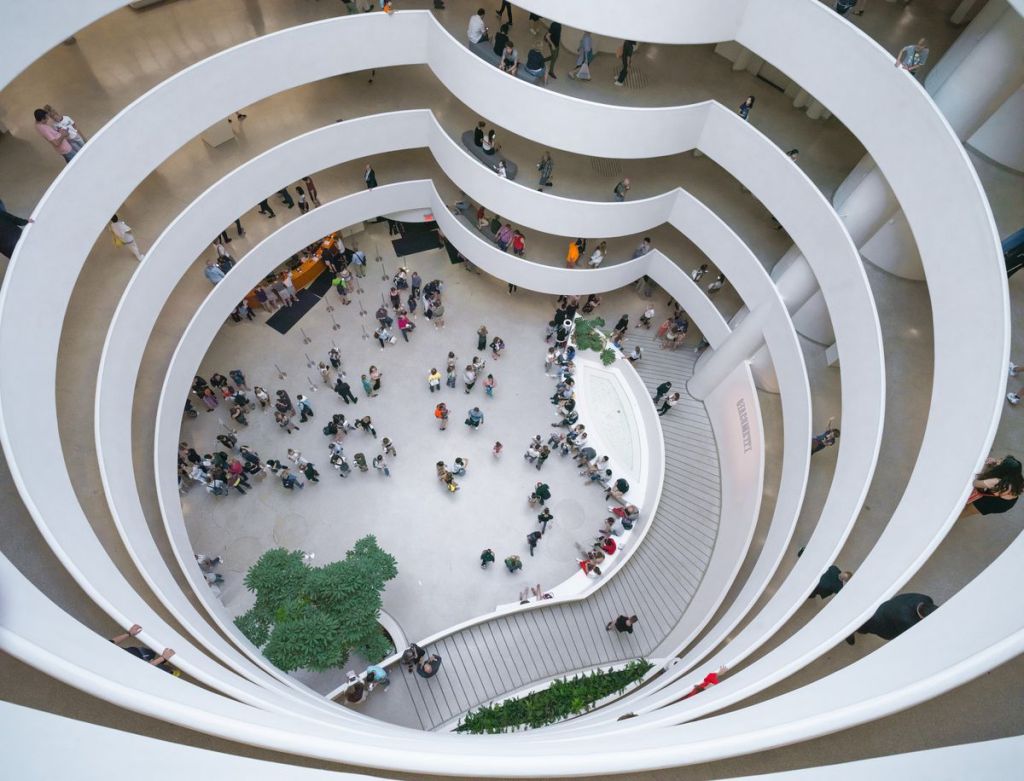
– Shows specifically how the spiral ramp gives access to the art displays
– The emphasis is on the ramped walkways and its connection to the galleries
– There is a sense of movement and direction of how people would move around the space
– Poché is emphasized on the art gallery spaces and its connection to the ground plane
– The lighter area in the center indicates heavy emphasis on the outer construction and empty, open area in the center
– There is also better attention to the light dome atop to show how light is supposed to be present in the building

Reading Response 01: Public’s Private Domain

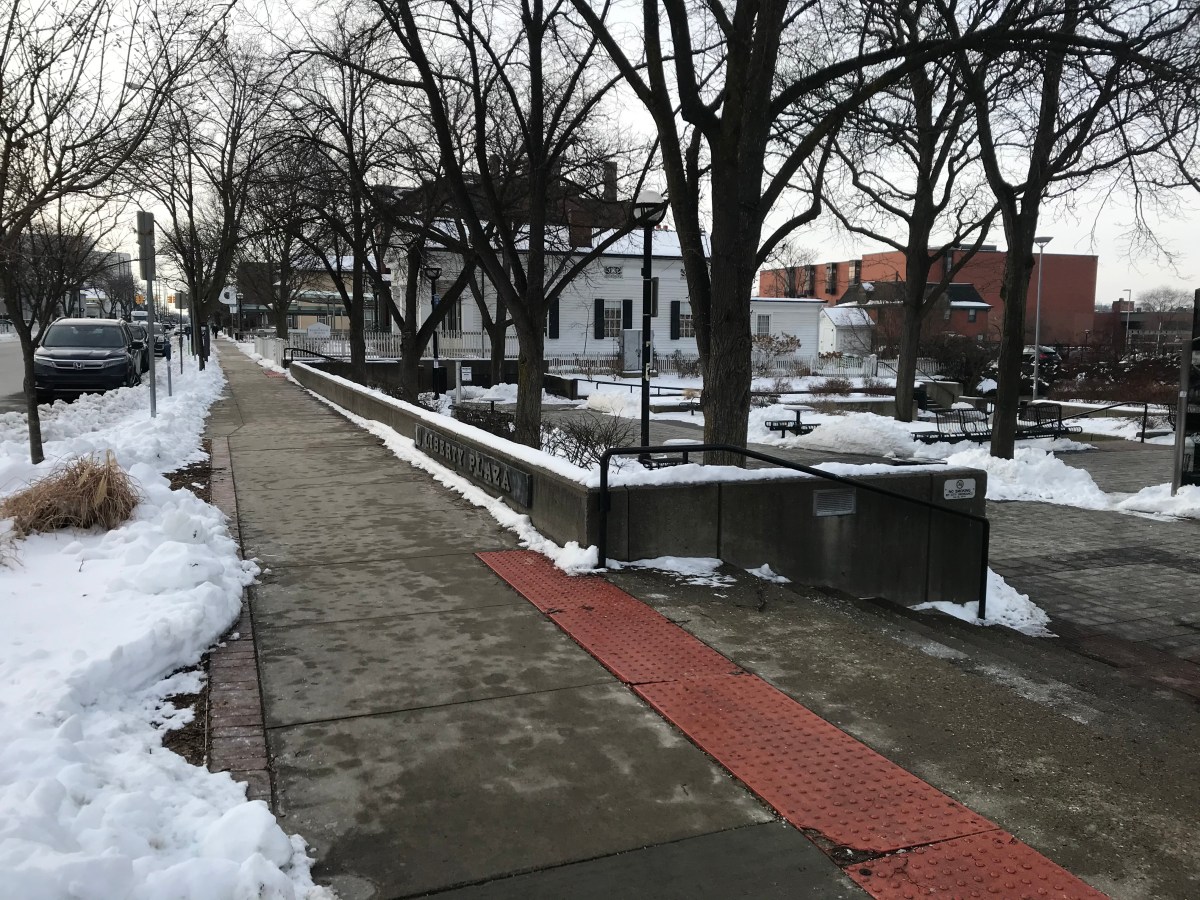
Almost every day, I pass by downtown Ann Arbor’s practically infamous Liberty Plaza. Originally designed to purposely keep a space of greenery in the increasingly urbanized city, there certainly are some obvious differences between this space and its surroundings. Urban planners decided that this green space would hopefully be a sanctuary in the city for people to stop and get away from the business and slow things down a bit, chat over some coffee, meditate, or just get some peace and quiet. Similar to how Lavine describes the way shopping centers provide a solace and relaxing environment for busy suburban people, this was also supposed to be a relaxing venue. While an appropriate and welcome domain for a pretty hectic city, it doesn’t seem to characterize that domain anymore.

The space is so out of the way and separated from the sidewalk and the people, that its initial intentions were not practical. Rather the sunken-in and limited access nature of the plaza makes it an almost unwelcoming space. It simply wasn’t convenient for people to integrate time spent here into their daily lives. Rather the space has essentially turned into a place where many people cut through but never stay and where homeless people spend their day. While the park was intended to be for everyone, this single factor makes it undesirable for others to want to enter and stay.

This space was designed to create two separate domains and it does, but just not the original intended one. I find myself having no want to enter and when I visited inside to take pictures, the sunken elevation certainly was a factor I hadn’t at first considered. You feel like you’re being looked down upon and the further down you go (since there are multiple levels of depth) the worse it gets. I just wanted to leave as soon as I entered the park and I can barely begin to understand how those who may be less fortunate might find it a place for them.

It has become a place now where residents of Ann Arbor know to avoid and clearly separates this plaza as its own domain. Rasmussen states that “Architecture is produced by ordinary people; therefore it should be easily comprehensive to all.” (14) Liberty Plaza could’ve been a domain of gathering and relaxation for all that the rest of downtown Ann Arbor lacks. But due to poor design and planning, it is a very disconnected domain that creates division in the midst of a public environment, which certainly shouldn’t be any architect or planner’s goal.

Design a site like this with WordPress.com
Get started