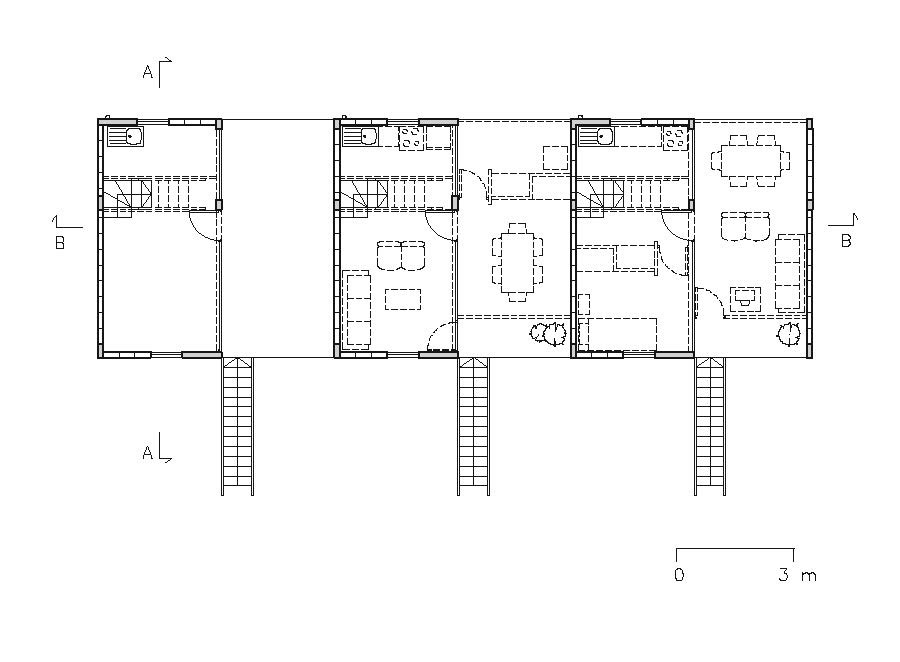
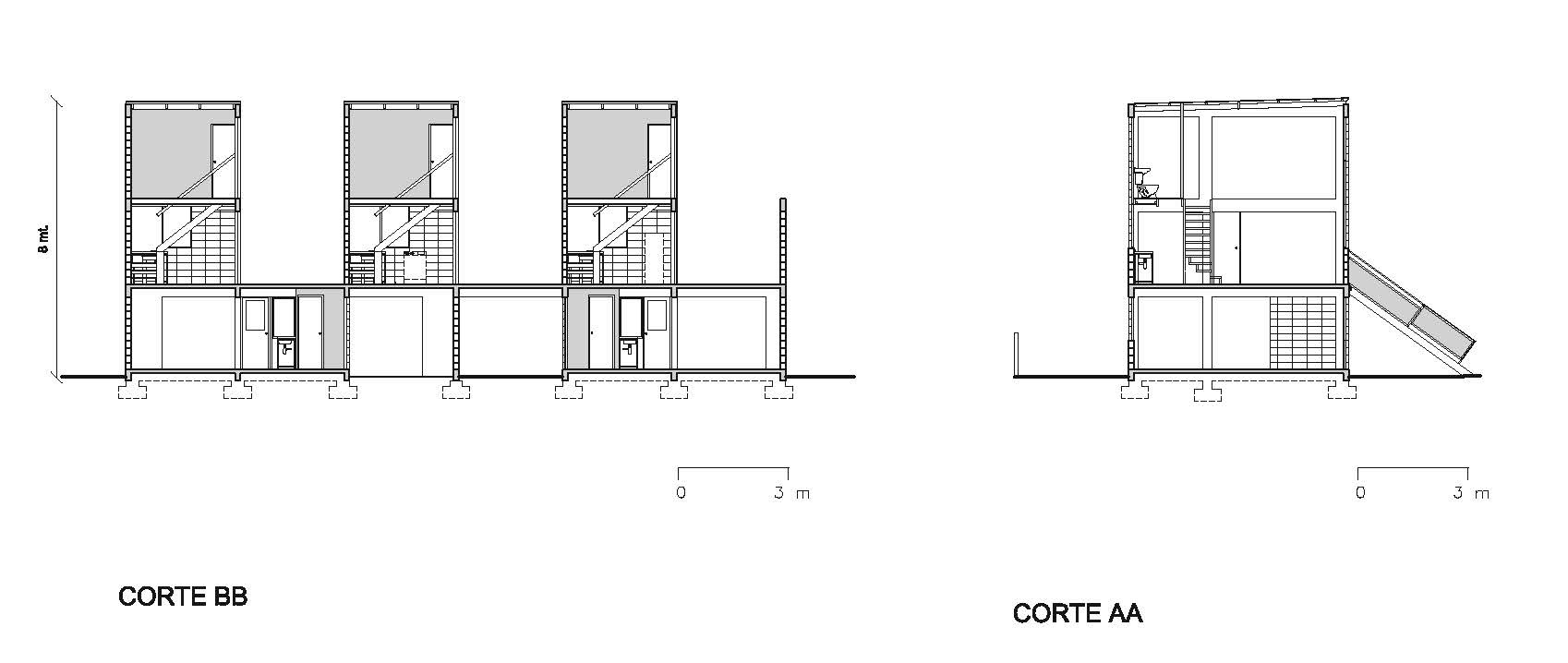
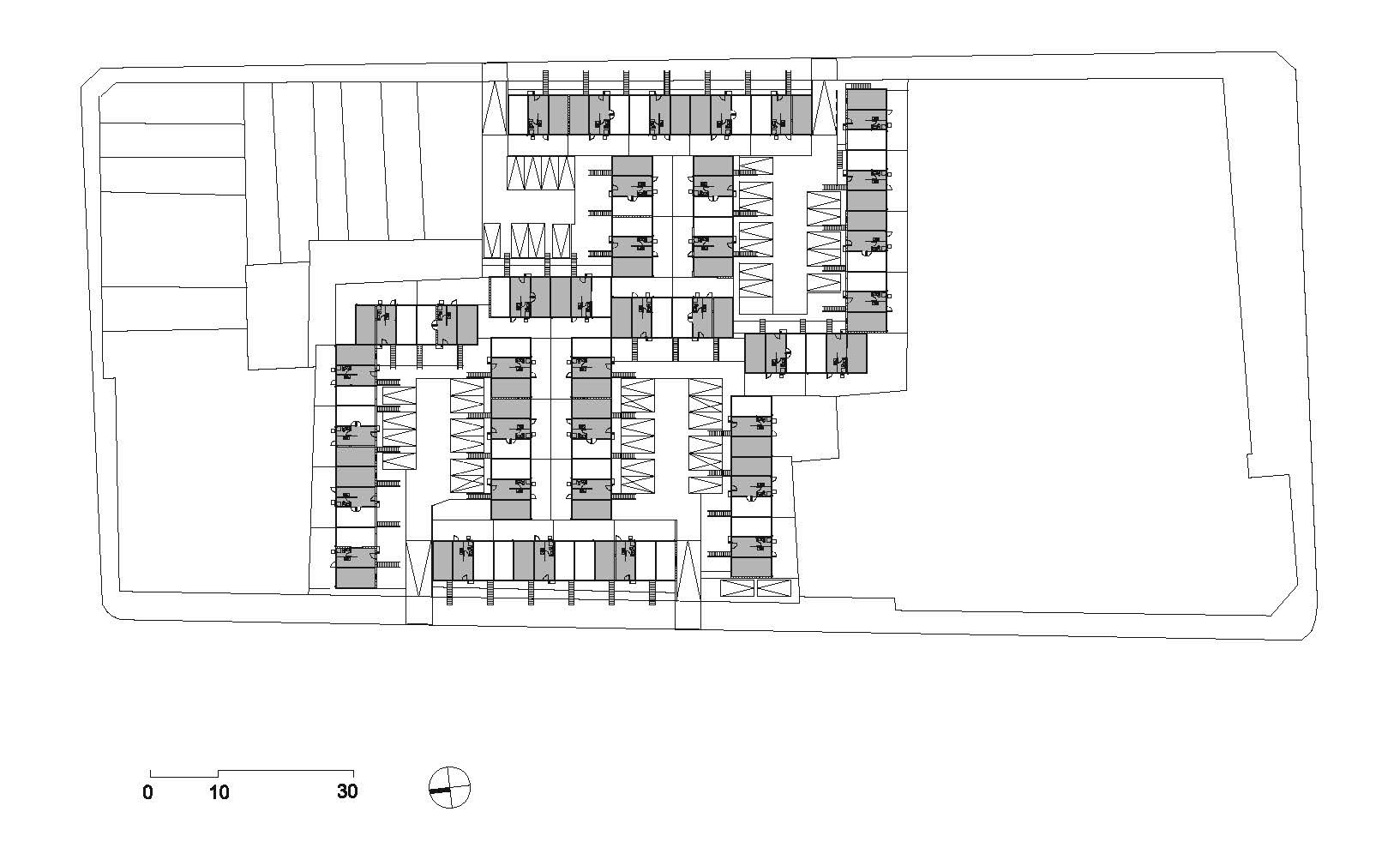
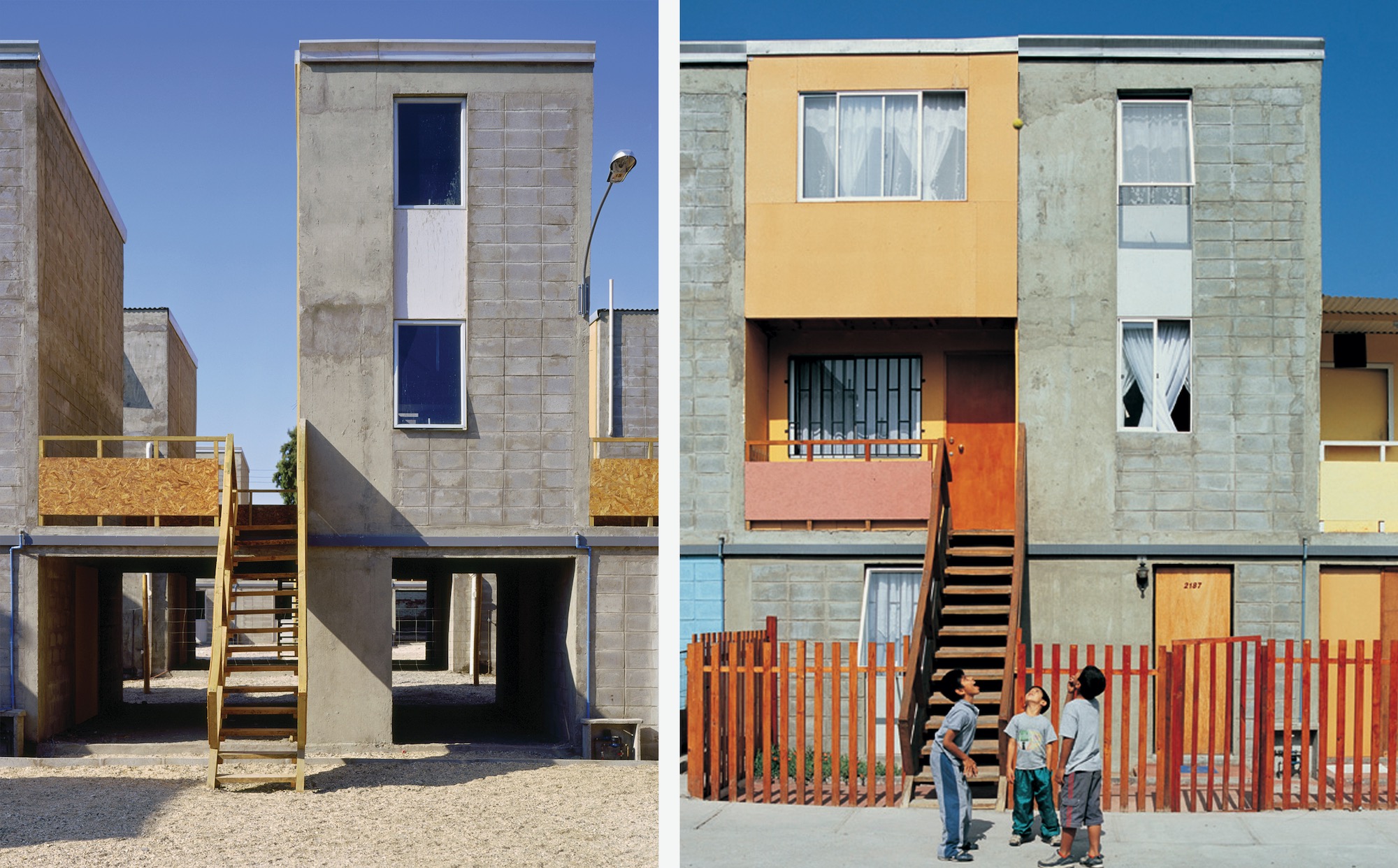
The project I chose was the Quinta Monroy designed by Alejandro Aravena. Aravena was featured in the film Urbanized, as the architect and designer for low income housing in Iquique Chile. The main goal of this project was to provide housing for people previously living in makeshift slums without sacrificing a good location. Quinta Monroy explores the idea of expansion architecture and applies it to the social issues of poverty and overpopulation. The project essentially is to build half a house that can comfortably suit a family, but can also be expanded upon in terms of both space and functionality. Elemental, the firm headed by Aravena, built the more challenging structural parts of the house, and allowed the families to construct the rest of the house as they were able to afford more amenities and as their needs changed. While Urbanized doesn’t mention this specific project, they give the example of being able to afford only a water heater or a bathtub. Many of the architects assumed that families would prefer a water heater, but the families themselves preferred a bathtub. This idea of “participatory design” as the documentary puts it is important in providing people with a space they can inhabit and thrive in. This is an extremely creative and practical way to allow people to lift themselves out of poverty with a limited budget. Quinta Monroy provides cheap yet still aesthetically minimalist architecture through concrete and wood, all while addressing multiple social issues.




 Brian's 212 Understanding Architecture Section