Reading Response 5

The Global Flora greenhouse built by Kennedy & Violich Architecture reimagines the greenhouse. A typically energy and water intensive structure, they used designed Global Flora to be a sustainable, net zero energy building. Built on Wellesley College’s campus, it connects to the local community of Wellesley, Massachusetts as a public resource. All materials for the project were sourced locally and with low resource intensity for both construction and operation. Housing a preeminent plant collection, it also supports public education through integrating sciences, arts, and humanities.

The structure uses ETFE cladding instead of the most common glass. ETFE, ethylene tetrafluoroethylene, is a plastic that is lighter and more flexible than glass. Meaning that the architects required much less structural support, allowing them to increase the height and volume than most greenhouses have. Aesthetically, this allowed them the creative freedom to create a greenhouse that was shaped unconventionally. They also used about half as much steel than a glass greenhouse would have required. South facing, the greenhouse is well-supplied with sunlight. A computer controlled interior shade system also mitigates summer glare. Rainwater is also collected on the roof in two massive underground cisterns, allowing it to be filtered, and used for hand watering the plans. Sensors were placed to determine which plants need water and when in order to improve water efficiency. Global Flora’s enhanced sensor systems allows research to be done about how water and nutrients are moving through the plant systems.

This slideshow requires JavaScript.

Source: https://www.lafargeholcim-foundation.org/projects/global-flora

Reading Response 4

UNADJUSTEDNONRAW_thumb_aff.jpg

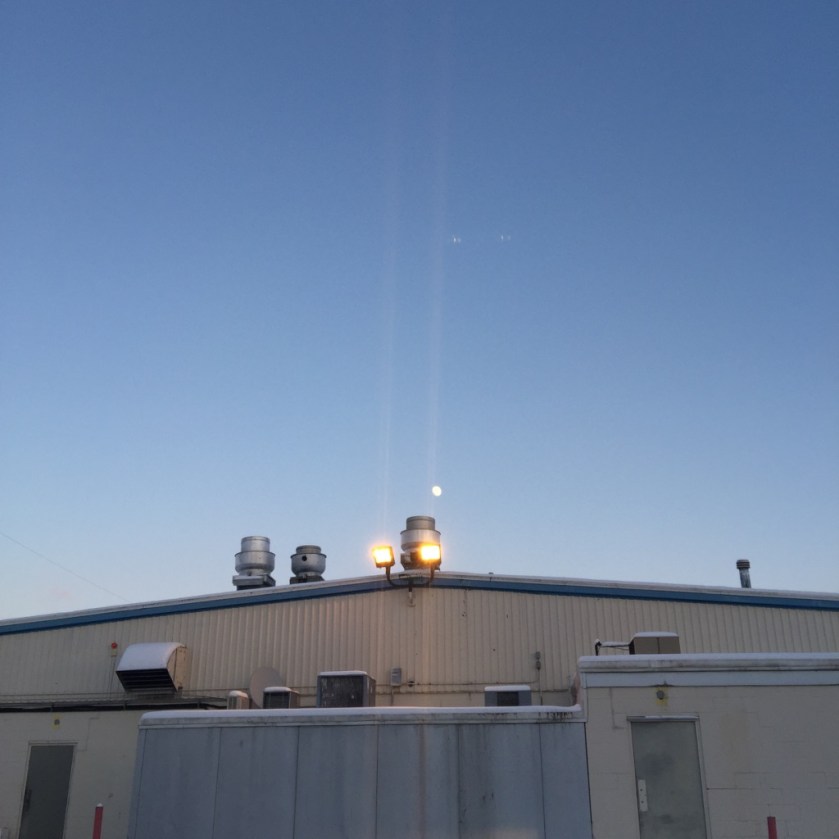
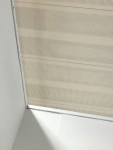
The people that used to watch out for me no longer come. My friends on the roof used to light up in anticipation everyday, waiting for them to arrive. As soon as they’d enter the doors, light would flood every corner. The stoves would be turned on to make breakfast. I miss the light and I miss the warmth.

empress.jpg

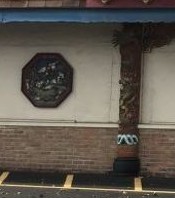
I don’t have any windows. I know that the other places people go to have windows, but it never bothered me until now. My outside structure was only structural, meant to keep people warm. But now, with no one to come see me, it’s been dark and cold. Now, I wish I had windows. Maybe I’d be able to keep myself warm that way.

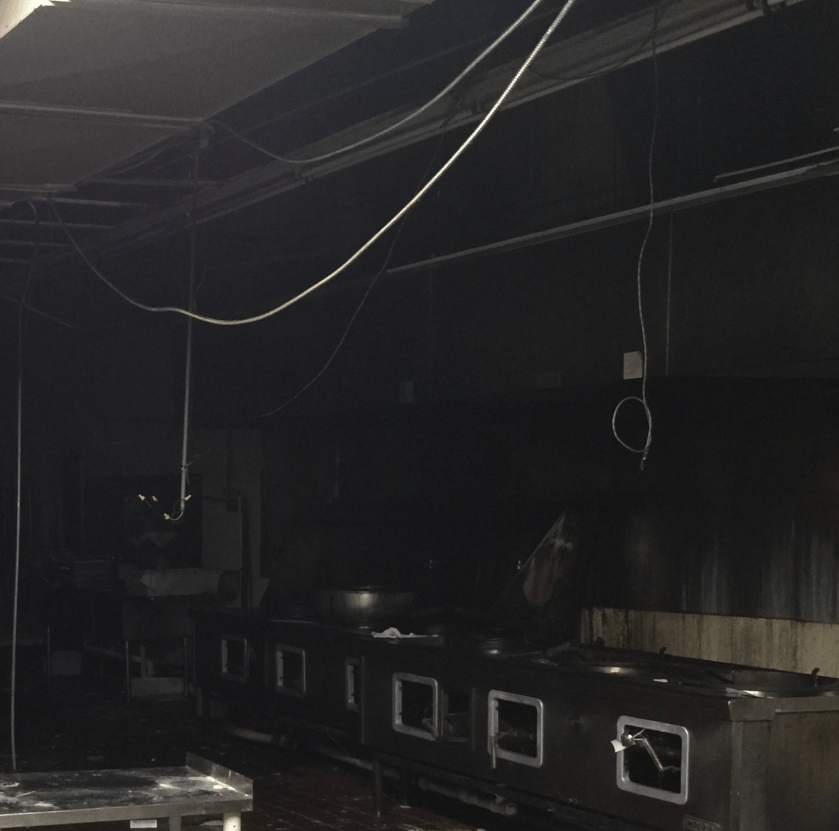
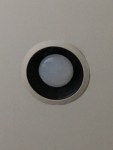
The days have been passing by. No more than three people have come to see me recently. It’s better than a few months ago though. A bunch of people came then, dressed in odd hats and boots. They said they came in to fix things after the accident, but they just ended up tearing apart everything. The ceiling panels that concealed the ugly things, now let loose an array of wires and cords. The kitchen doesn’t look like a kitchen anymore. It’s been dark and cold, and I can barely recognize myself.

Screen Shot 2020-03-30 at 7.09.42 PM.png

I have a lot of time to think now. The presence of people scurrying around during dinner time rush, the heat of the stoves radiating throughout the kitchen, and the sounds of people’s voices seem like a distant past. Sometimes I want to forget, so I don’t miss it, but the empty stoves and dirty walls remind me. I think too long and I can’t remember how long it’s been.

I try to have hope. There’s been a few days where the man and sometimes the lady visit. They usually takes things and leave, but I always get the feeling they’ll come back. And so far they have. I’m still not sure why everyone left. Till I find out why, I will keep looking forward to my short visits from the couple, and I hope that one day, they’ll turn the light on and stay for a while longer.


Reading Response 3

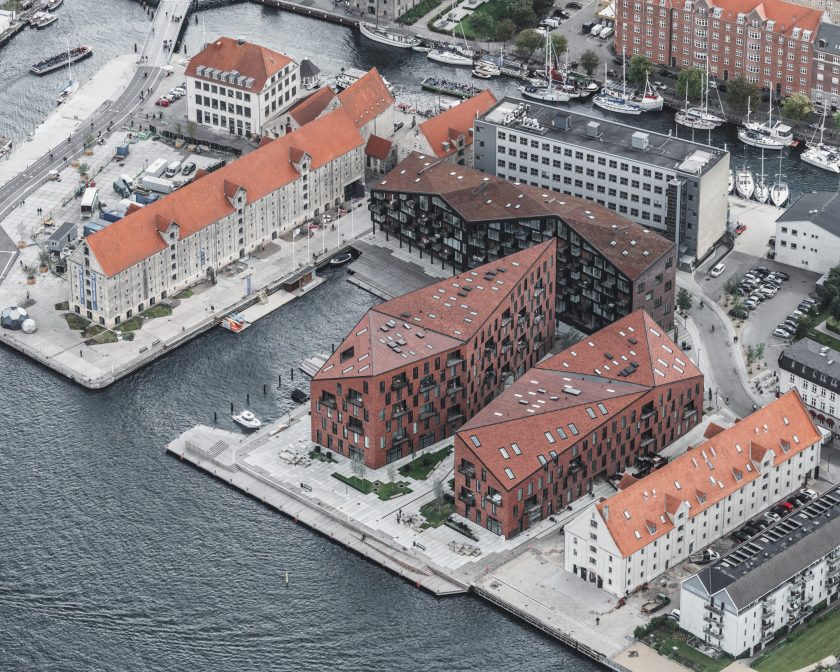
kroyerplads
Krøyers Plads, Copenhagen, Denmark

Krøyers Plads is Denmark’s first eco-labelled residential building complex. Krøyers Plads won the Green Good Design Award in 2017. It created a dialogue between old and new among the Copenhagen warehouses and uses materiality and form in a conscious way to create buildings that were sustainable and enhanced well being.

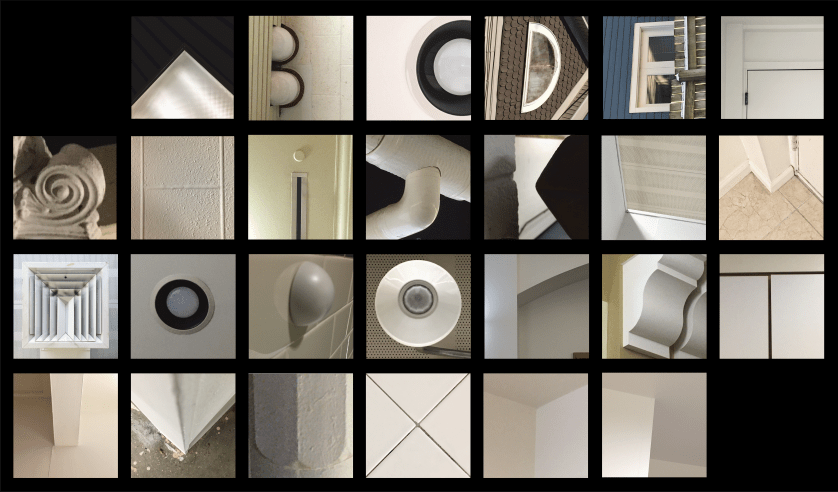
Fields of Study:

  1. Architectural Drawing- Creating a familiarity in hand drawing in regards to proportions and angles
  2. Digital Drawing- Drawing with digital devices for precision
  3. Physics for Architects- understanding the physicalities and processes for buildings
  4. Architectural Design- learning the forms and technical aspects of architecture in relationship with design
  5. History of Architecture- understanding the architecture of the past to better create for the present/future
  6. Architectural Construction- combining design, physics, ideation
  7. Environmental Systems- learning to enhance human well being in built environments through technology
  8. Sustainable Building- Learning about sustainable materials and building processes that are starting to become more relevant

Invented Course: Designing for the Public

Implementing the knowledge from previous courses, redesign a public space/building and be as experimental in form and materiality as you want. This course is meant to push the student’s creativity while also being conscious of the issues that surround public space in relationship to people to people and people to built environment interactions.

An architects design has the ability to affect the mood, health, productivity, and behavior of people. In many design fields, it is helpful to have a target audience that is specific and niche. To design a public space will challenge the students to create a building/space that is not only functional, aesthetically interesting, and innovative, but a place for all people to feel welcome and safe. For example, hostile architecture is an intentional design strategy that often exists in public spaces and targets the homeless and youth and may be one aspect of public space for students to keep in mind while designing.

This course will be useful to the architectural education by pushing students to think for the general public instead of a specific client, it will most likely be an upper level course.


Reading Response 2

Image result for toronto rom museum plan
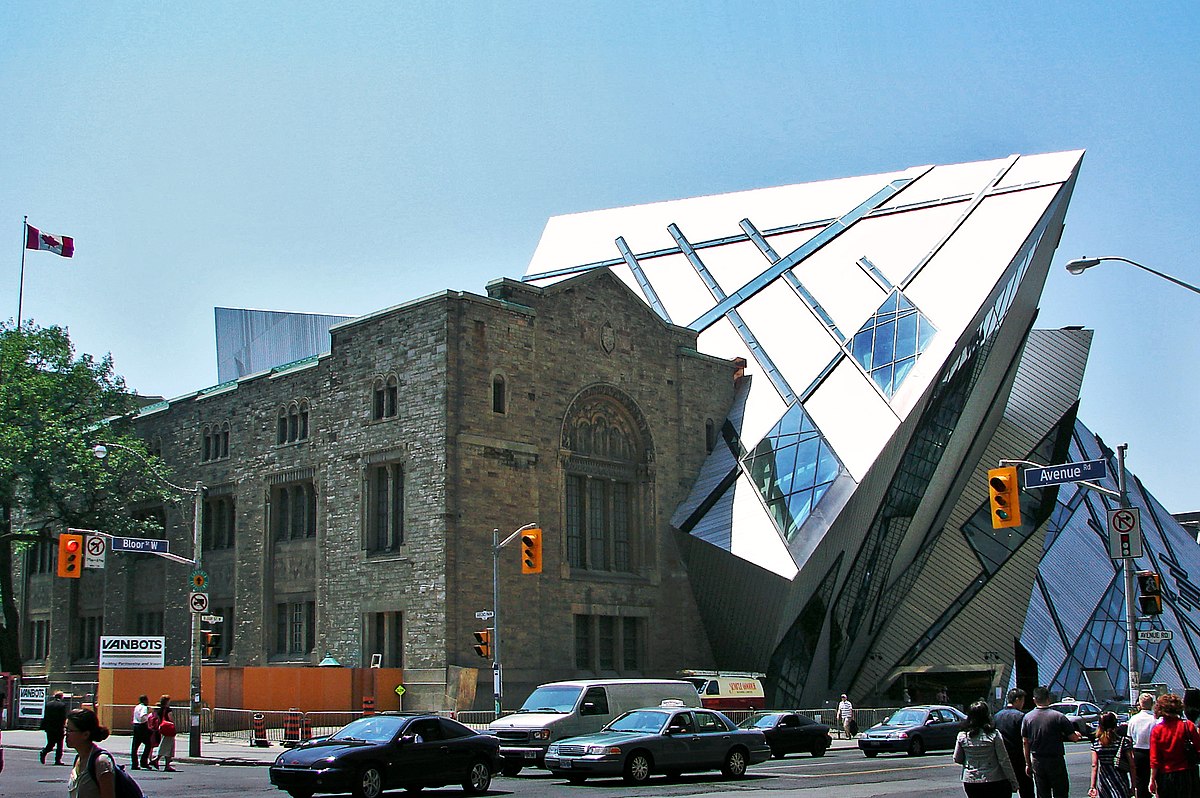
Royal Ontario Museum 
  • Line weight and thick filled in poches are used to clearly emphasize the building walls.
  • Overlapping parts give hint to the dimensionality that the museum has.
  • The varying line weight, with emphasis on certain building parts, creates a collection of segmented areas.

Image result for toronto rom museum plan

  • The line weight is thinner here and poches are not filled in, giving the plan a lighter feeling.
  • More detail is given to the surroundings of the museum with visualization of neighboring roads and greenery.
  • The thin line weight and avoidance of overlapping creates a clearer, easier to read plan.
  • The majority of the lines are the same weight, making the different parts of the museum seem more connected as a whole.

Image result for royal ontario museum topImage result for royal ontario museum

Reading Response 1

Lena Yang         

Artist Domain

fullsizeoutput_29a0

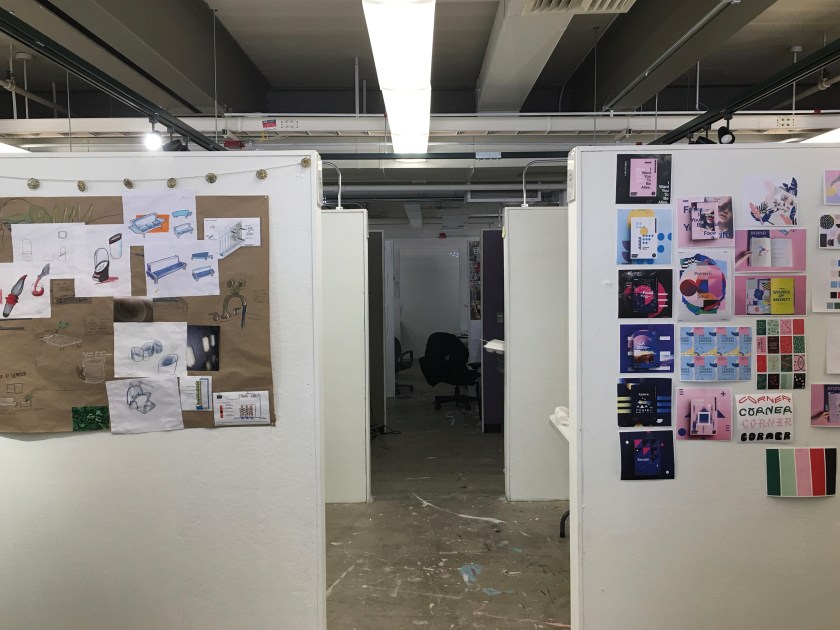
The senior art studios in the Art and Architecture Building lends itself to be an interesting example of domain. The whole area consists of rows and rows of cubicles facing each other. The spaces feel simultaneously private but also open. Every studio is identical, with 3 large empty, white walls, which students then decorate in an attempt to make it their own. Each cubicle is also marked with our name, on a small white piece of paper. This simple, and seemingly futile form of identification, takes the cubicle and makes it into one’s own private ‘studio’. I find comfort in my studio and retreat there to work, knowing that it is my space and not anyone else’s simply because it was marked for me by a professor. Just as Lavine says, domain can create a “sense of belonging” which is formed by the physical architectural forms, like the 3 walls of my studio, along with the cultural and social rules that manifest, such as the expectation of others to not encroach into studios that aren’t theirs.

The concept of domain as a physical and social means to keep things in or keep people out is further exemplified by the studios’ vulnerability. There is no camera or security system designed to protect our belongings which lay open on our tables. Anything from books, art supplies, food, blankets and furniture could be taken, yet it’s rarely the case that anything is reported stolen. There is a sense that all senior students are given their prospective spaces and will respect other spaces that are not their own.

Design a site like this with WordPress.com
Get started