Reading Response 5: Sociability

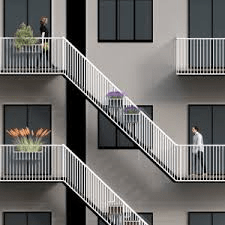
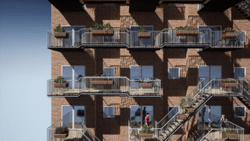
‘Social Balconies’

Social Balconies:


source- https://www.architectmagazine.com/design/social-balconies-designed-to-encourage-resident-interaction_s

Designer/Architect: Edwin van Capelleveen

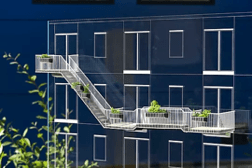
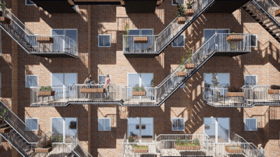
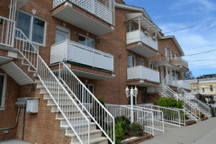
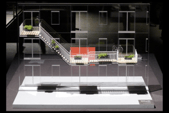
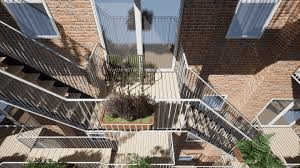
Social Balconies are designed as a way for you to communicate more easily with those living around you. Our society has many boundaries that have been put in place and as a result, many of us do not have a close relationship with our neighbors. Combatting social isolation is a frequently discussed topic in this day and age. People are more and more obsessed with their phones and spend more time online than ever before. We share less direct communication with each other.

The Dutch designer Edwin van Capelleveen created this project as a way for residents in apartment buildings and condos to get to know their neighbors more. Capelleveen was inspired by the idea of communal gardens where people can relax, share a meal and grow a garden with their neighbors and community. Balconies, which are rarely used, are often times only utilized for hanging laundry or for storage. The designer believes this is a practical social solution and it could be easily applied to most buildings.

While I can see the attraction to having a connected balcony to someone if you are friends with them, I do think it would be a bit uncomfortable initially.

But the point of this architecture is to encourage people to get out of their comfort zone and share a space with the people living around them. Social Isolation, similar to physical inactivity and smoking is a leading cause of preventable death in the world. Social Isolation is on the increase and it is important that as a society we look out for one another and having Social Balconies could be a solution to that.
Reading Response 4


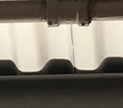
If we observe closely around us we can see meaningful imagery everywhere. The concept is known as pareidolia. It is “the tendency to perceive a specific, often meaningful image in a random or ambiguous visual pattern”

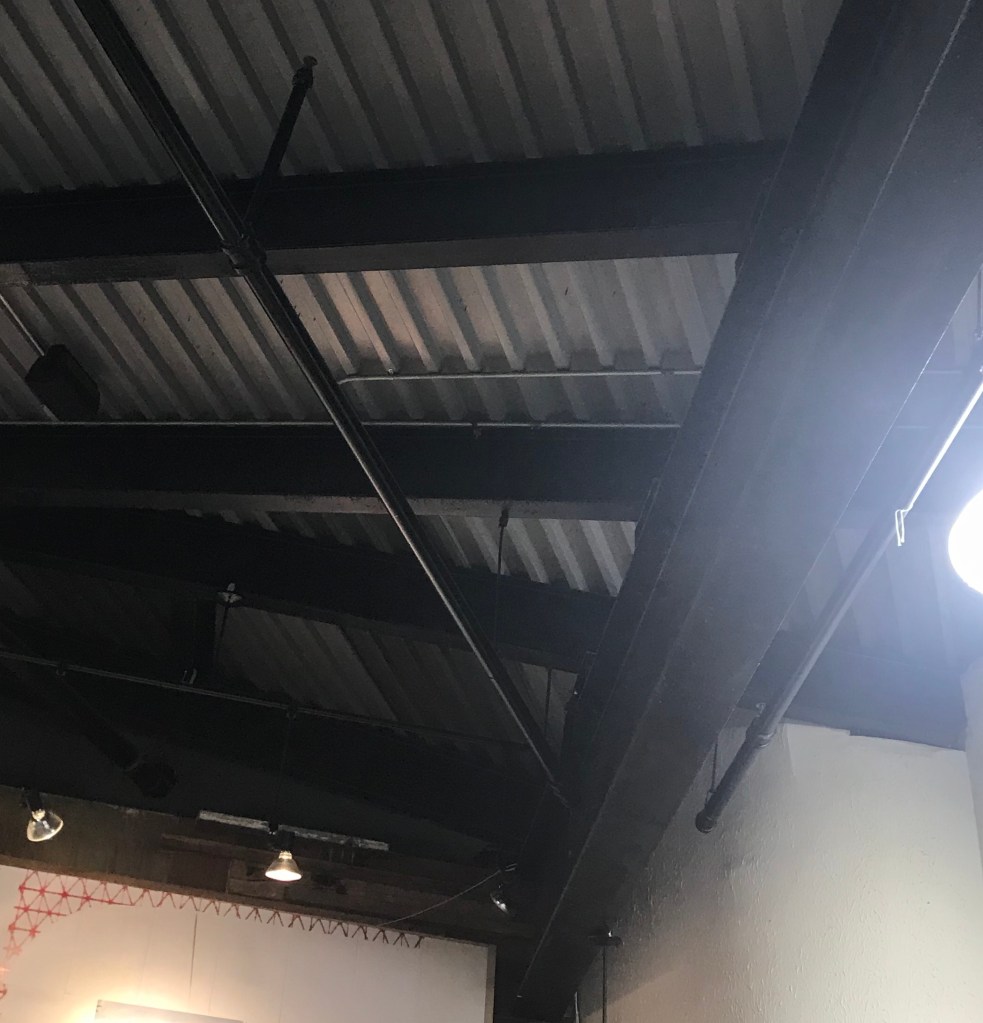
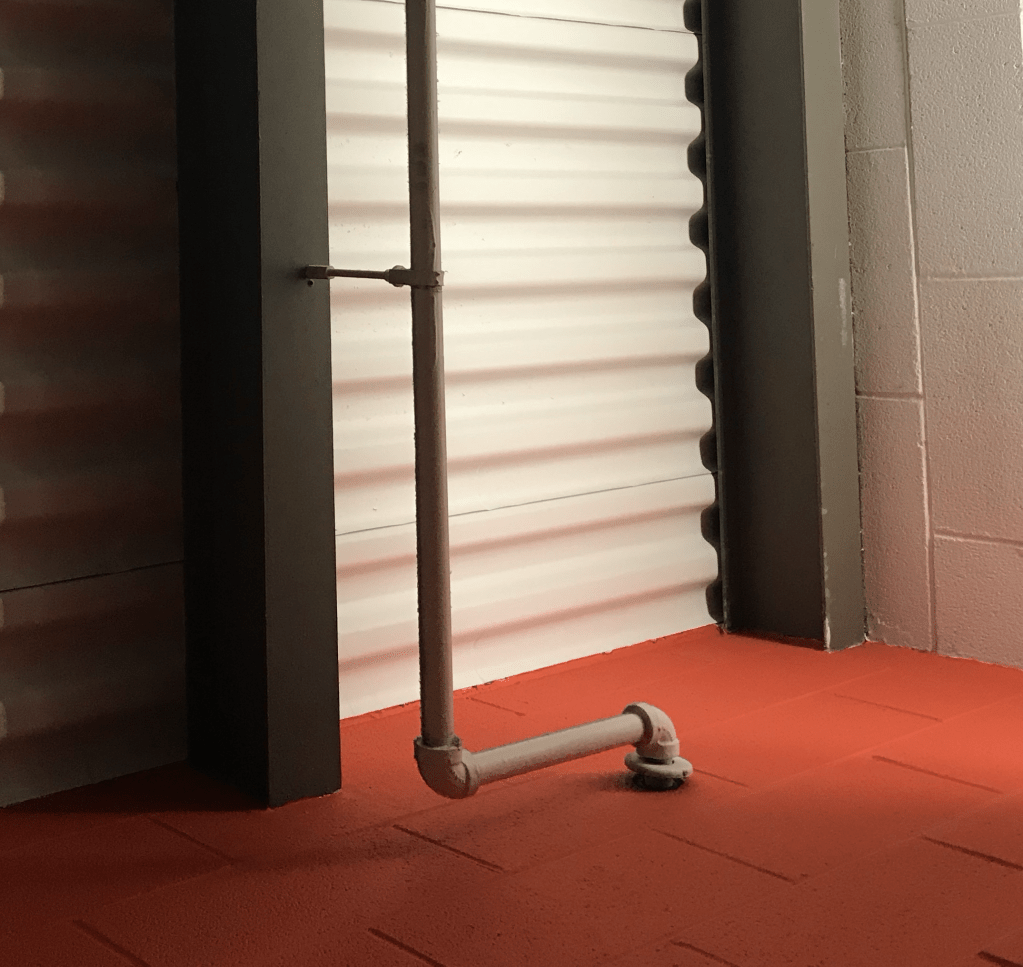
Over the course of my life I have noticed that I often see images in other images. Always having a hyper imagination has led me to see things, often animals, in completely random objects. When you look at the random detail in the building detail pictured above you might just see a metal sheeting or not see anything at all except the white and black shapes. When I look at it I see a Manta Ray glowing against the dark background. Swimming smoothly in the dark sea. Its small eyes peering at you as it swims past. If you look closely the small black eyes are nails drilled into metal. As I continue to walk around I see other details such as the one below. While some might interpret this as only metal gate, I see a swordfish jumping out of the water. Maybe the swordfish and manta ray could be friends. They’re both made out of metal so how could they not be! While they may not near each other in the oceans, in my imagination it does not matter. The Manta Ray and Swordfish live in a peaceful harmony.

A story:

One day, the manta ray and swordfish are swimming in the bay, having a lovely conversation. They decide they are tired so they head towards the shallower area where the trees hang over the water. Both the swordfish and manta ray lay floating on their backs relaxing in the water. Suddenly they pass under a tree with a nest in it. The swordfish has always had a great appreciation for birds so he gets very excited. He tells the manta ray where to look and both of them stare up into the branches together. They see a small chick peeping down at them. Its beady eyes staring in confusion.

Suddenly, out of know where, the chicks mother comes SWOOPING down towards them. The manta ray and swordfish dive deep into the water in a panic. That mother bird was not happy with two strange sea creatures looking at her and her baby. The Manta Ray and Swordfish swim off into the sea, deciding that was enough action for the day. The End.

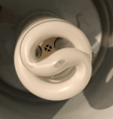
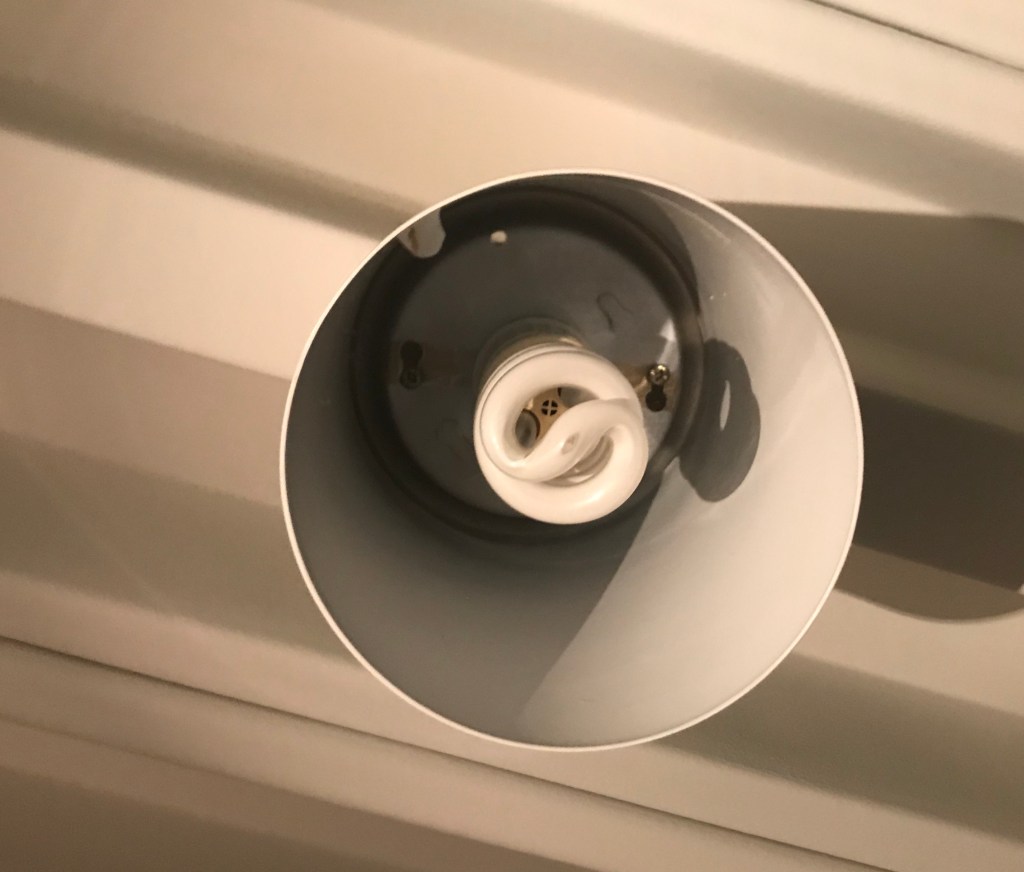
This light is located in my room and I often stare at it when I am laying in bed. Even though I know that it is just an empty bulb I see a small chick sleeping inside of a nest. Do you see the bird peeking through? The yellowish background looks like it could be its fur and then there are two beady eyes. Do you notice yourself seeing things and animals in random objects? Maybe this is a symptom of being an art student but I find myself fixating upon these details constantly. Even if it may not be a useful skill, it is entertaining.

Reading Response 03: edu-tecture

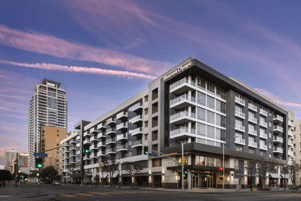
Hanover Olympic building, Los Angeles, by TCA Architects


1. Sustainable Materials– the Hanover development group makes it a goal to create sustainably designed structures. For this building they used recycled glass and reclaimed wood. They also put solar panels on the building. 
2. Urban Planning– I think this class would be essential when building housing. This building is L.A’s first “net zero” residential space.
3. Sociology – learning about the need for environmentally sounding housing closely ties to sociology and keeping up with how our society is adapting to climate change. 
4. Structural Concepts- I think it is critical to be able to understand why a building stands and how to create it in the most efficient way. 
5. Physics- Critical to be able to understand how a structure functions and how to create a safe space.
6. Building Technology- This design seems to integrate a lot of modern technology. This building utilizes solar power and sends power back to the cities utility grid.
7. Digital Drawing- As buildings become more and more inventive and use renewable products I think it would be important for architects to use digital drawing as a way to ideate and experiment before the actual product is built. 
8. Architecture History/ Theory – critical for understanding the origins of architecture and how they are still influencing us today. 

New course: Design for Change

This course would be for upper level undergraduate architecture students. It would challenge them to, over the course of a semester, design and create a model of a space that would fulfill a need within their community. This class would teach ideation, design, and building skills. The students would work in groups of four.

The students would go out into the community to explore areas that could use an architectural upgrade that would benefit the local population. The architectural program would collaborate with specific community areas such as homeless centers and health clinics that are in need of changes to their building to improve functionality. The class would be set up as a sort of competition, the best design would be built and integrated into the community. The students would base their design off of the specific needs of the people that utilize the space. 

The purpose of this class would be to benefit the community through design while simultaneously teaching students how to: collaborate with an organization, learn professional practice, and see the process of ideation and design to a final product.

Alphabet

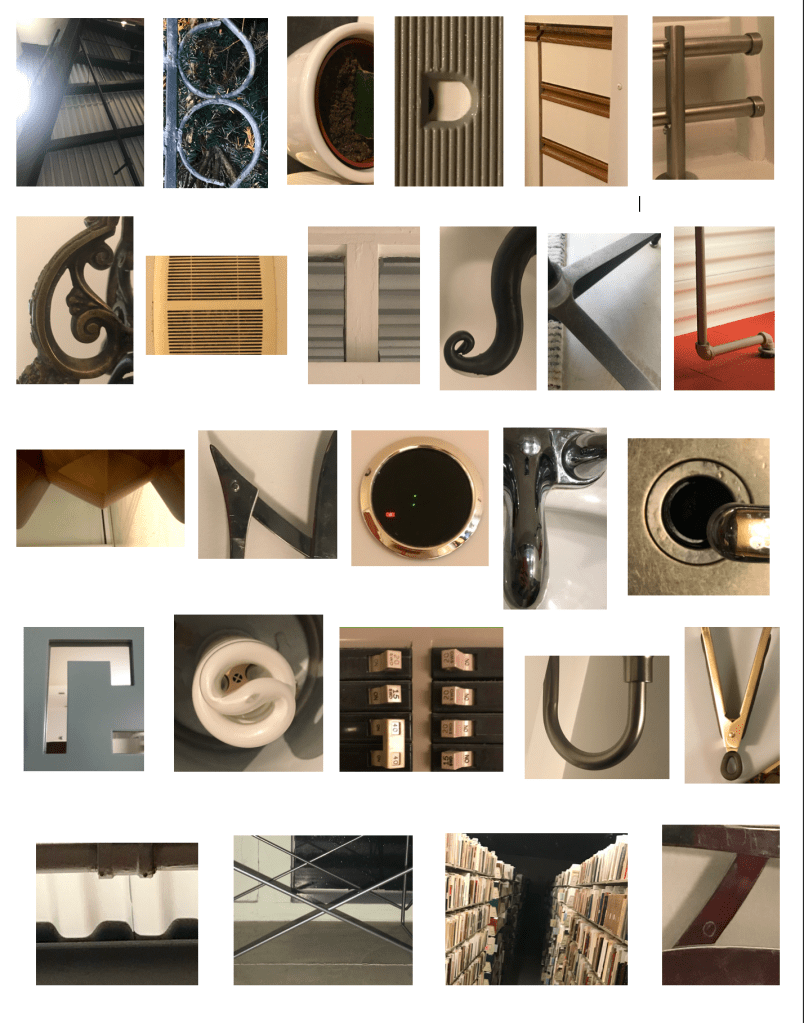
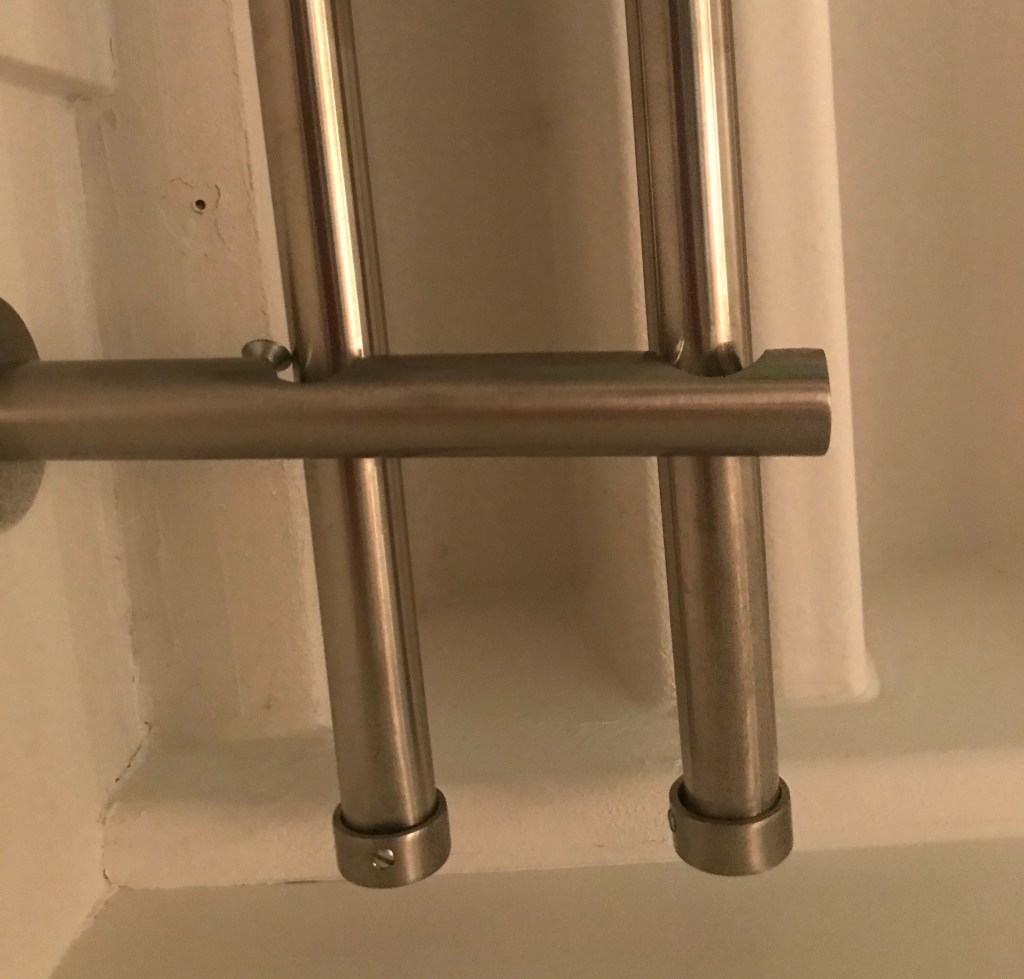
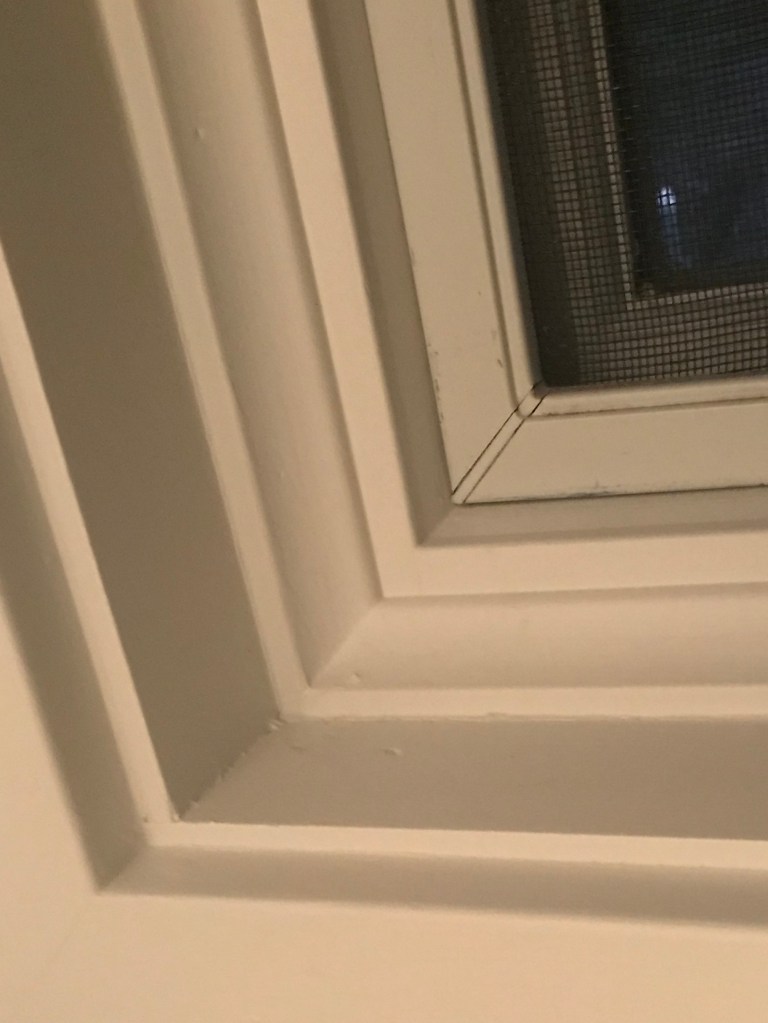
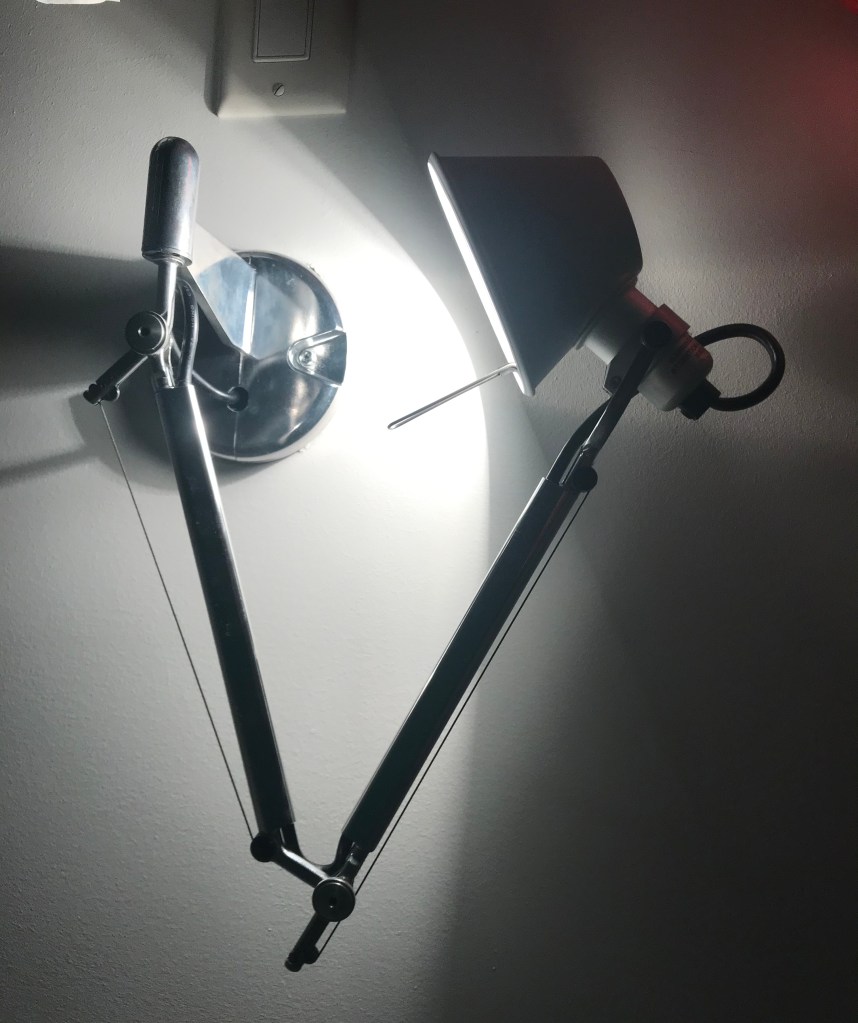
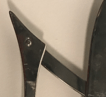
The theme of my alphabet is household architecture. I searched for letters in common everyday household items like lights, cabinets, sinks, microwaves and even the circuit breaker box. I also found letters in the walls, windows and mirrors. I wanted to feature a wide range of appliances and objects that we are all familiar with and could be found in our homes.

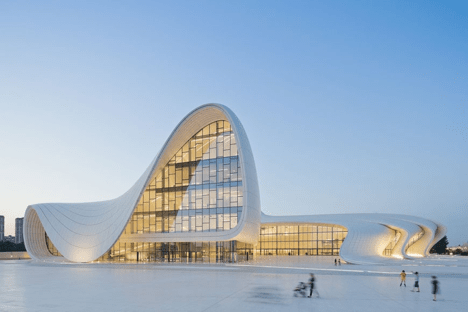
Reading Response 2- Zaha Hadid Heydar Aliyev center

Image result for zaha hadid heydar aliyev center drawings of first floor
In this drawing there is a lot of detail showing the interior of specific rooms including an amphitheater. A wide variety of line widths is included. The poche is more descriptive in this drawing than the drawing below. It even includes details of seating and of stairs. The focus in this drawing is interior design of the individual rooms. This drawing, being so descriptive , would be useful if it were used as a map opposed to the drawing below.


Image result for zaha hadid heydar aliyev center drawings of first floor
In this drawing there is less detail than the drawing above. Only a few line widths are being utilized. Everything feels lighter and more area. The poche is less descriptive in this drawing than the one above. I prefer this drawing it is easier to comprehend. It is simple and straightforward and allows you to easily get a full picture of the building without being chaotic.

Pup Domain

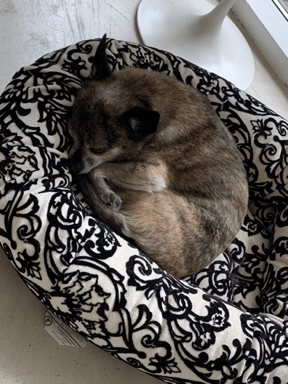
This is my dog Ted sleeping on his bed. Being only six pounds, he does not take up a lot of space or “domain” in our home. But there are some areas that he feels he has rights to and spaces that only he utilizes. In these spaces, which include this bed, he feels safe and secure, and confident that he can rest and relax peacefully. His bed is so small that of course only he can use it and it would never be used by a member of our family. At the very beginning of the Lavine reading there is a quote that inspired me to photograph my dog in his domain. “Human beings share with other animals the need to mark territory that they are able to control.” Dogs innately defend and protect their territory. We used to have two dogs. Teds older brother Nacho passed away earlier last year. When they were both attempting to protect their own territories,  conflict occasionally arose. Ted has always had a strong attachment to his black and white bed and did not appreciate when his older brother inhabited it. In the second reading Rasmussen states “Many animals are also able to create a shelter for themselves, by digging a hole in the ground or building some sort of habitation above it.” While Ted did not “create” his bed, he claimed it as his own in a very animalistic way despite living a very luxurious and fabricated lifestyle in the home of humans. Ted’s domain is one that provides him comfort and safe-haven. It allows him to roll in a little ball and take a nice long nap. While it is a simple domain, it is a key part of his existence, similar to many dogs across the world. 

Design a site like this with WordPress.com
Get started