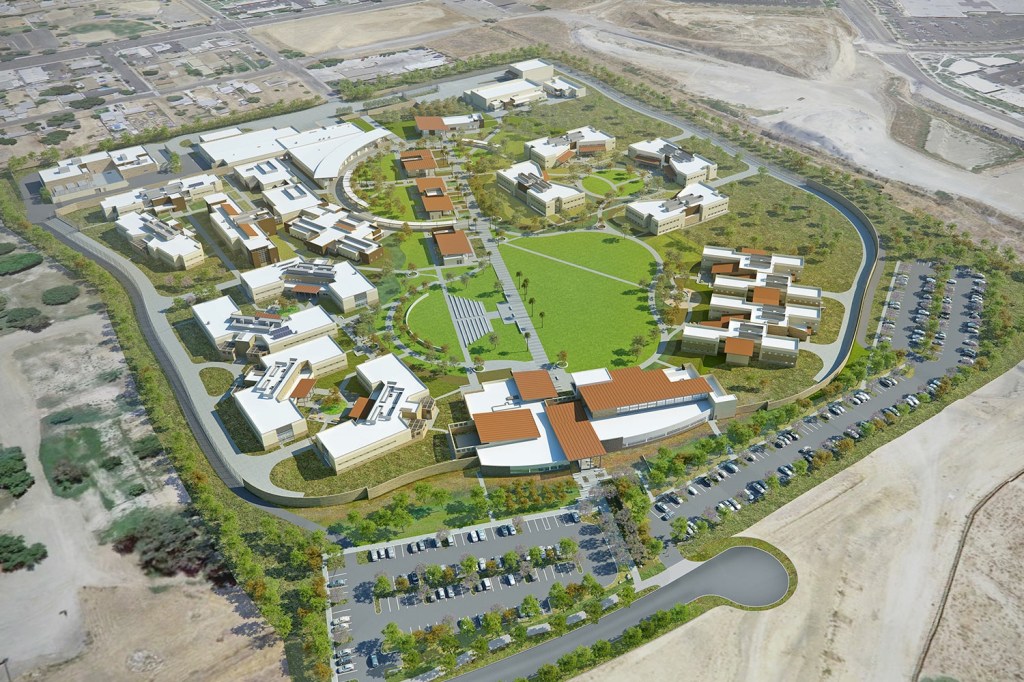
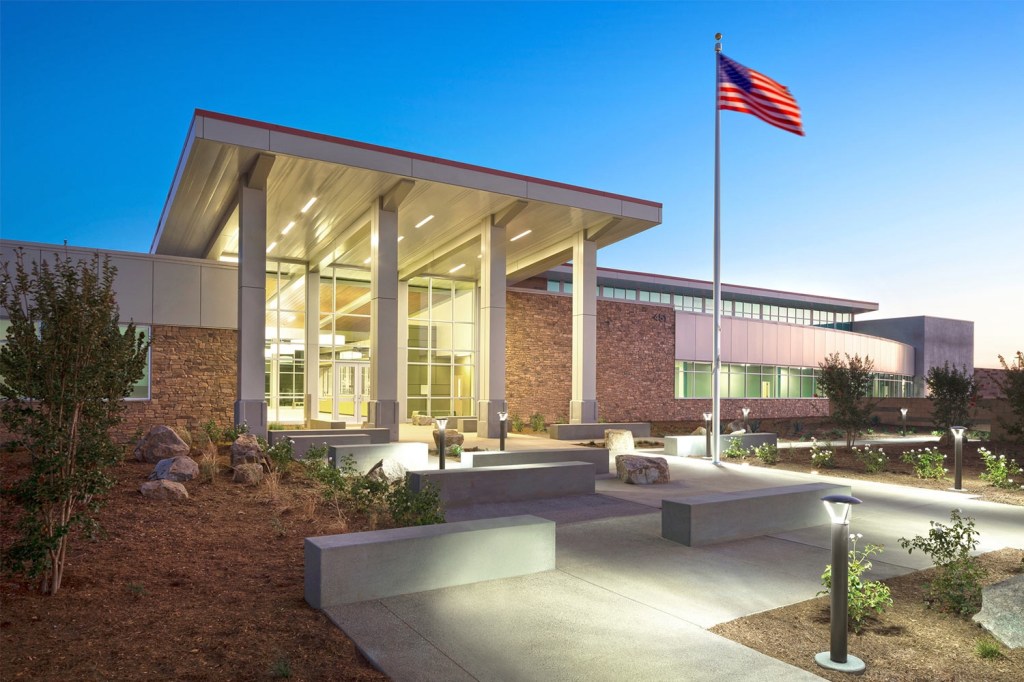
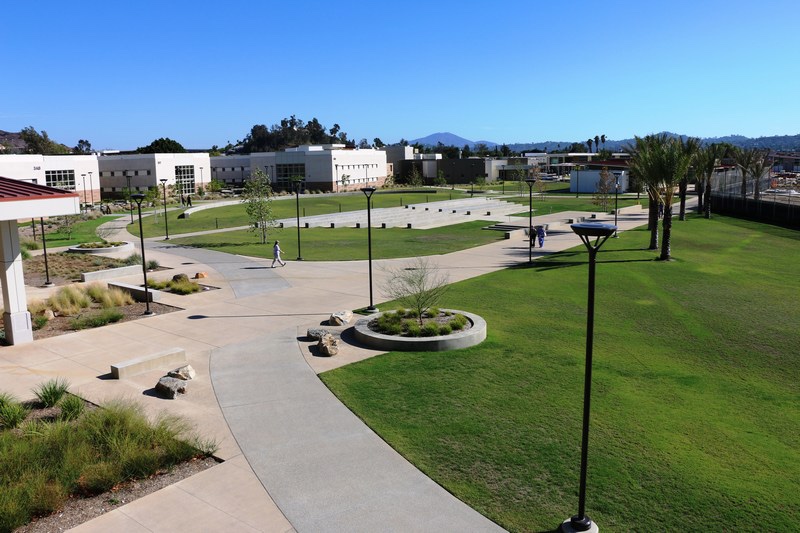
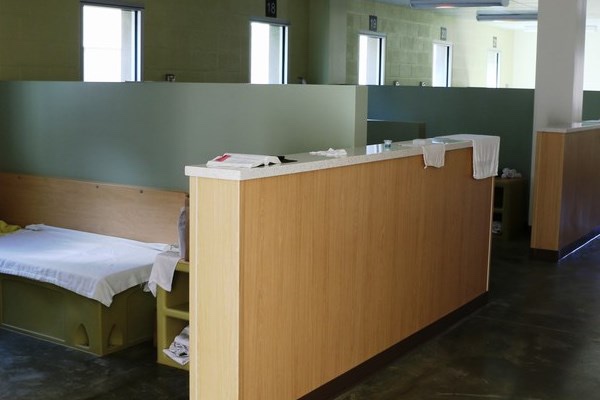
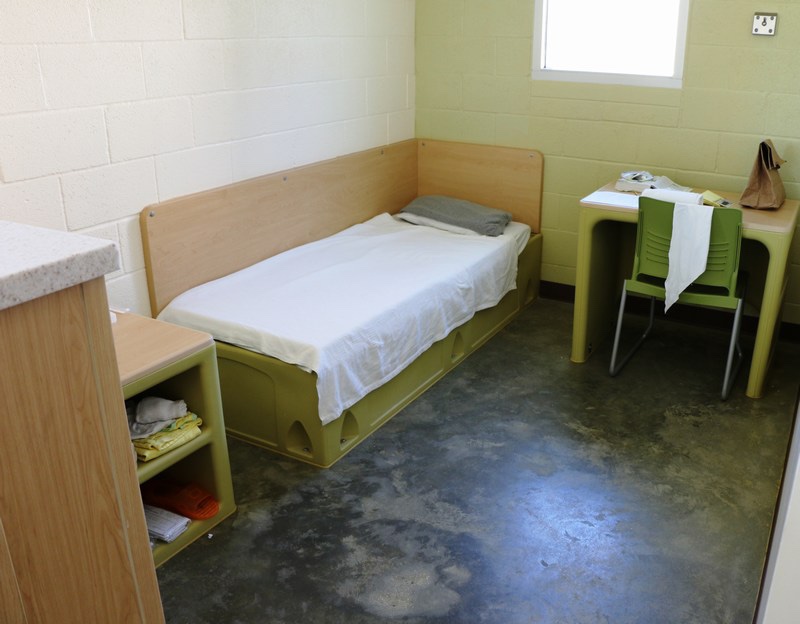
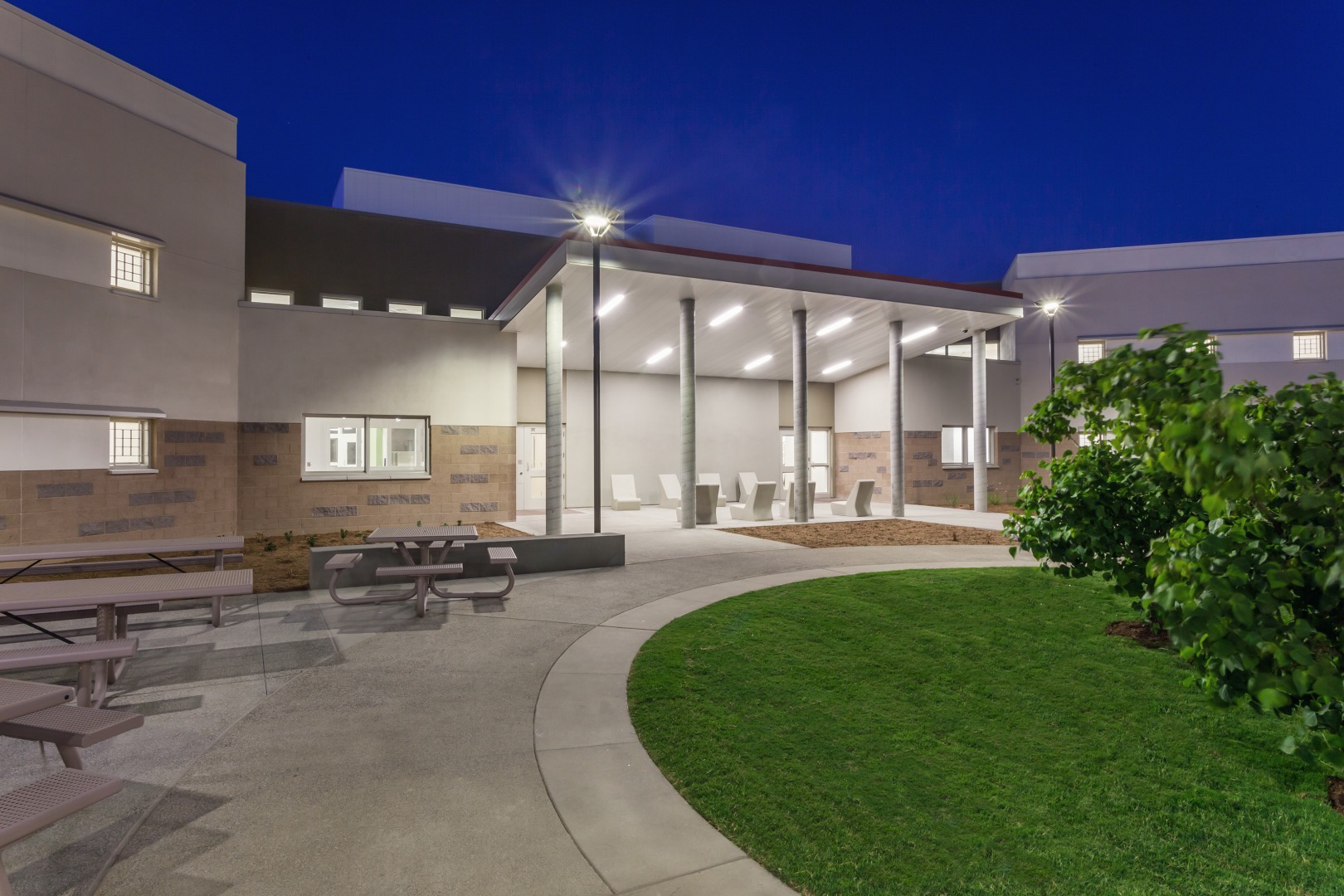
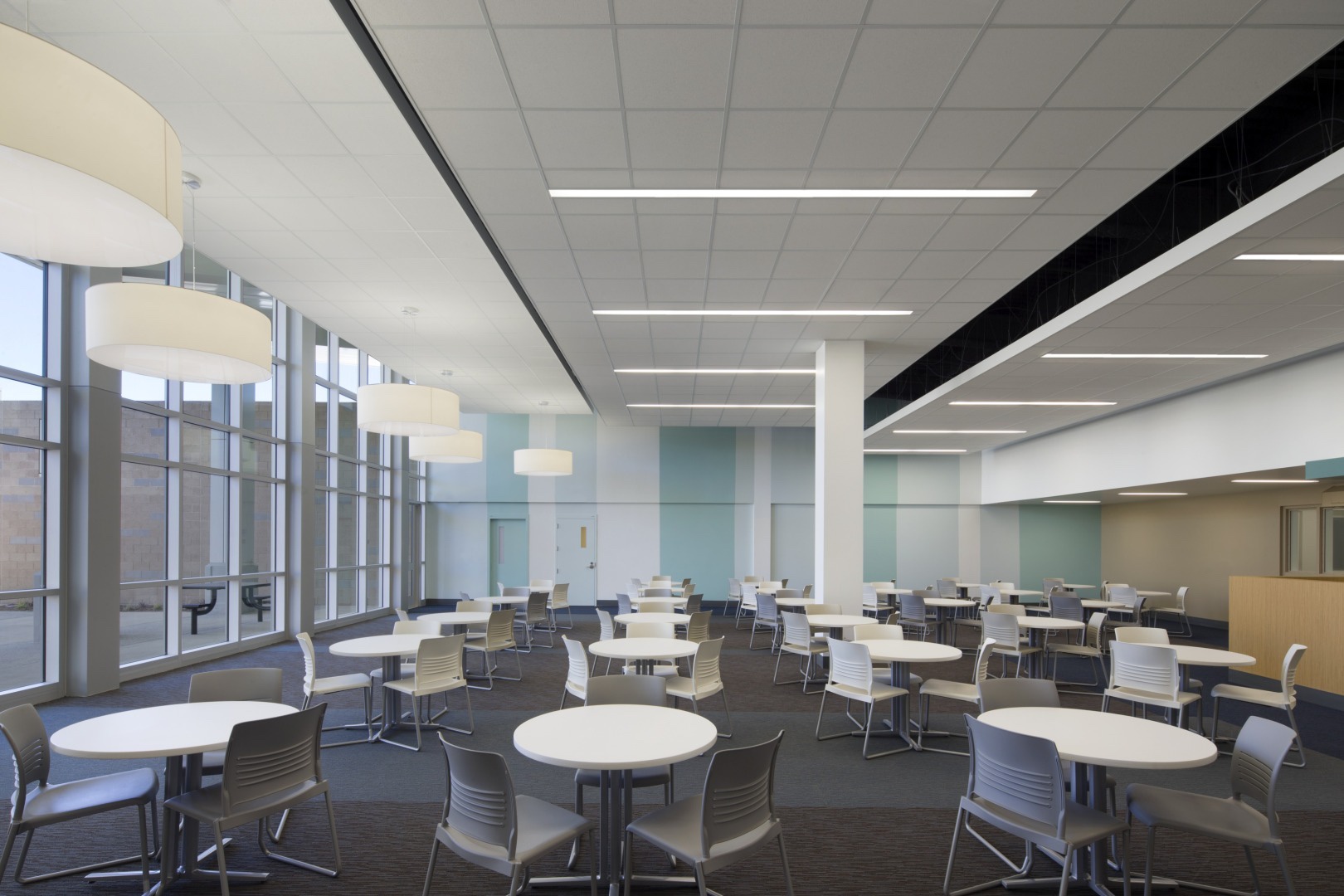
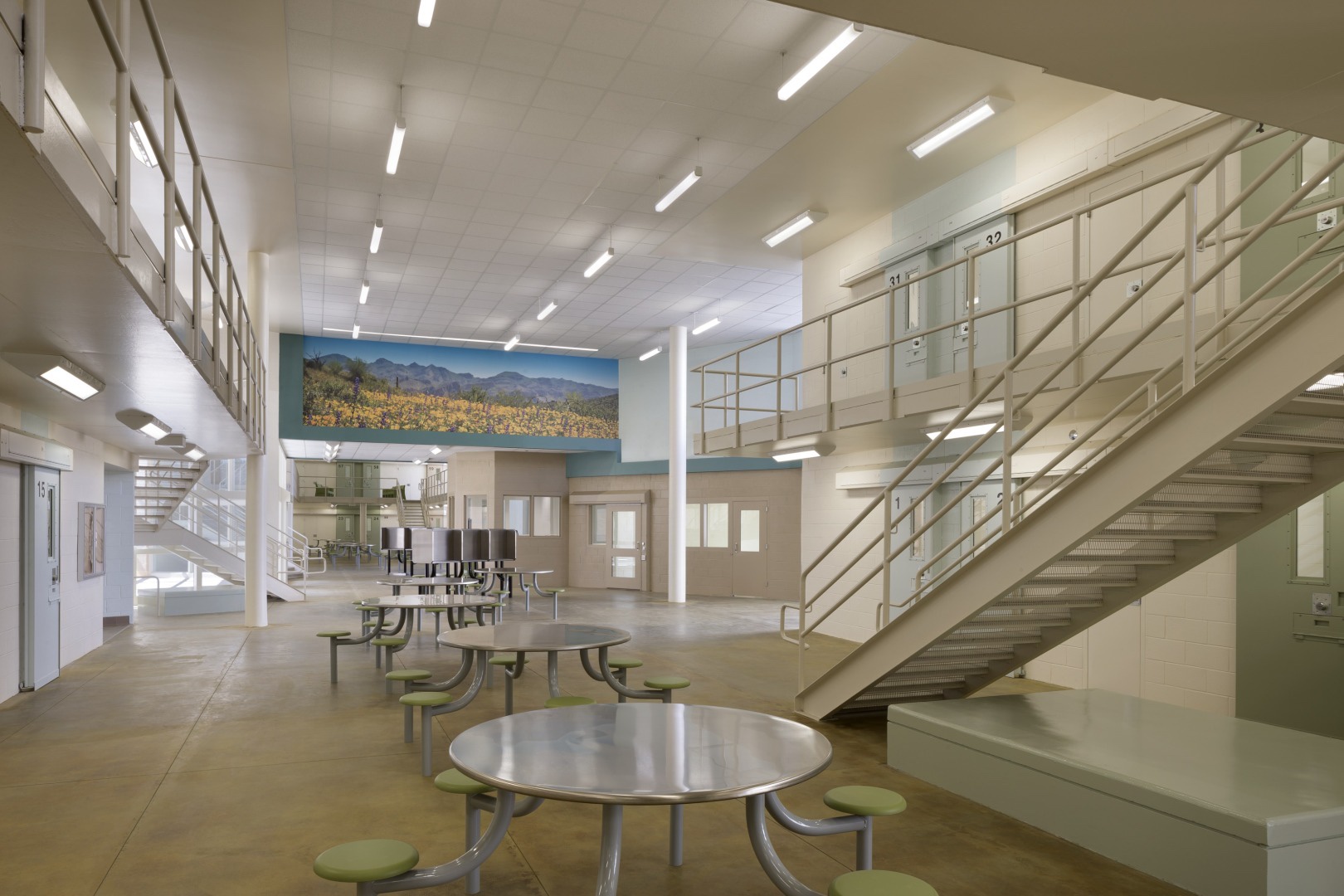
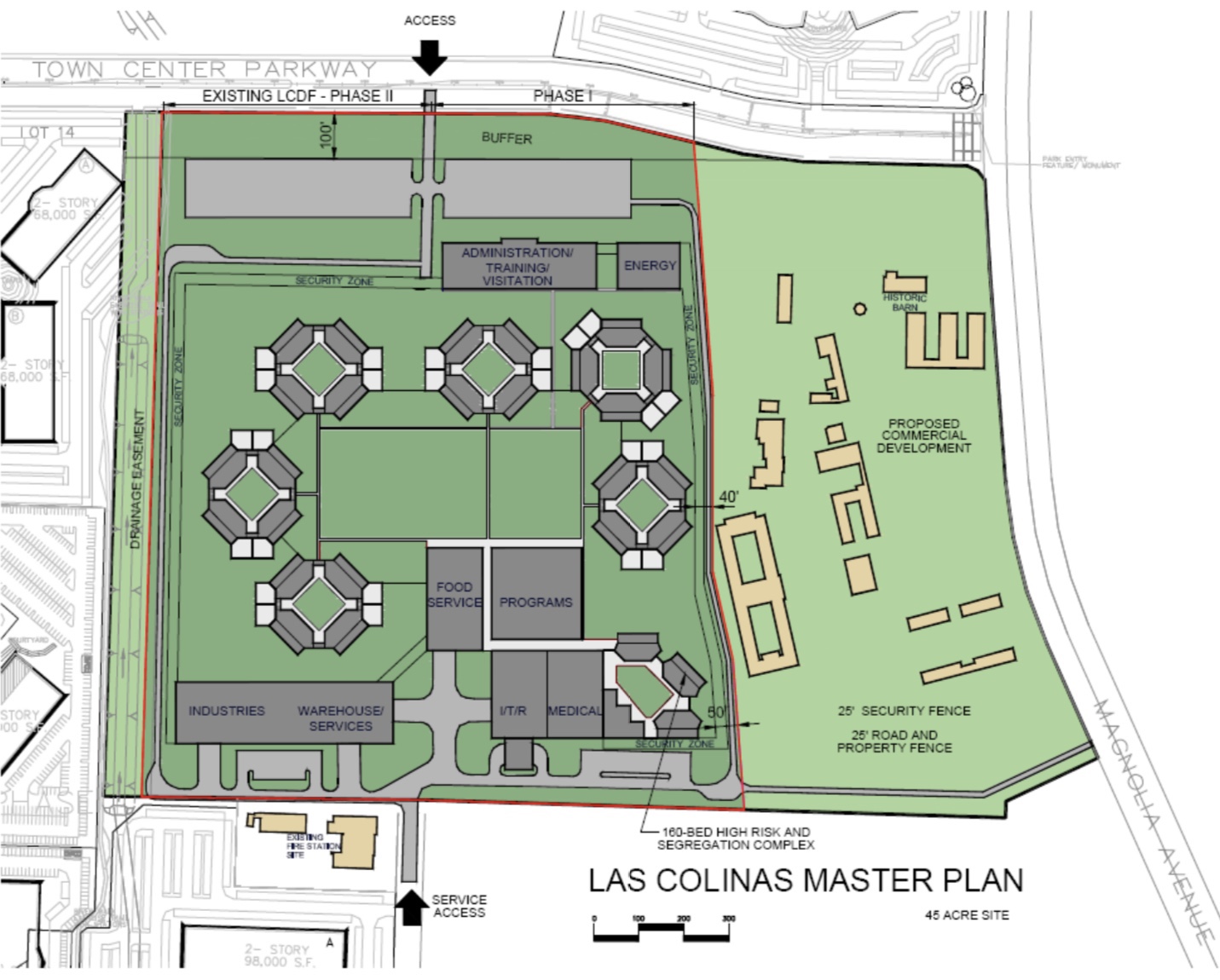
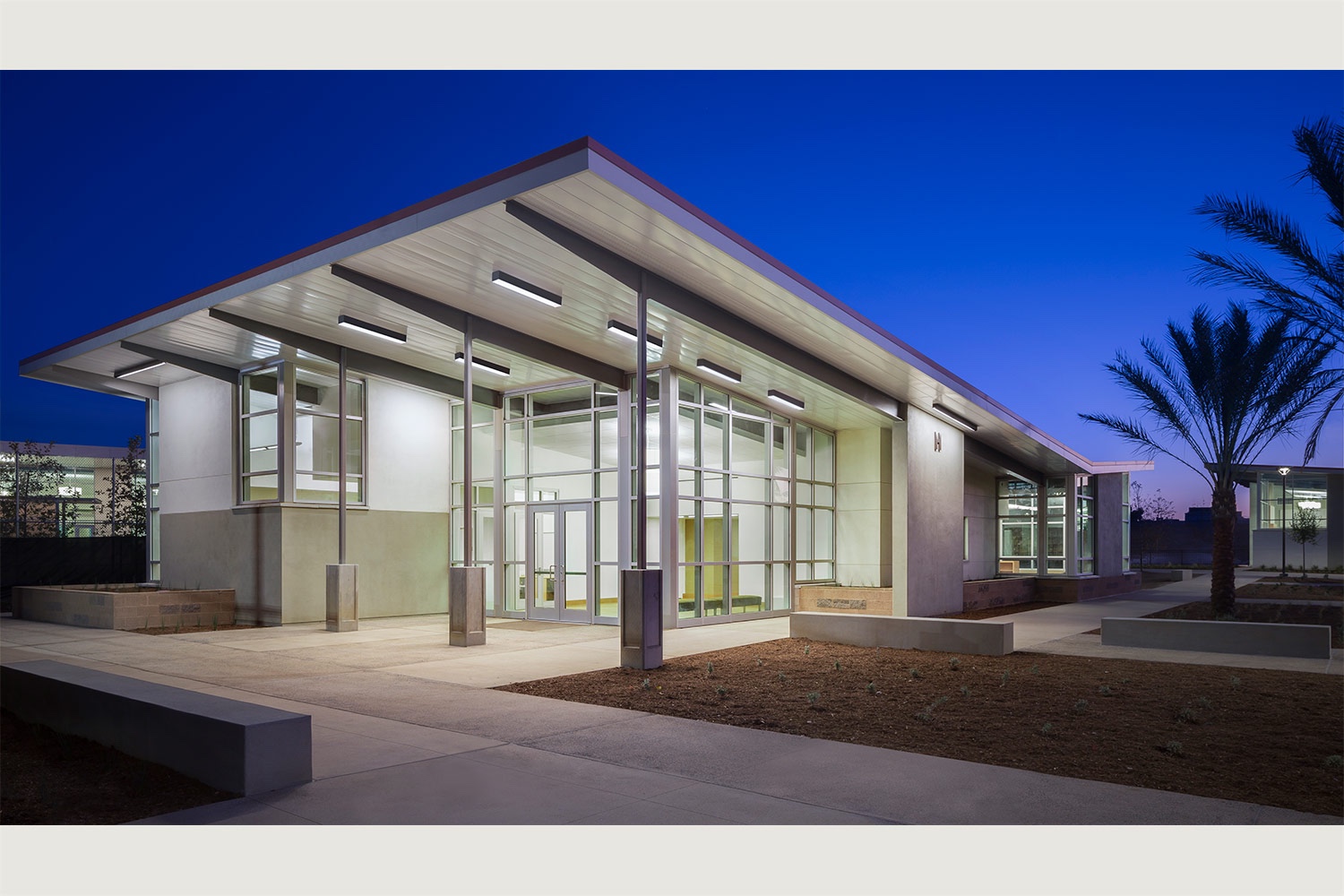
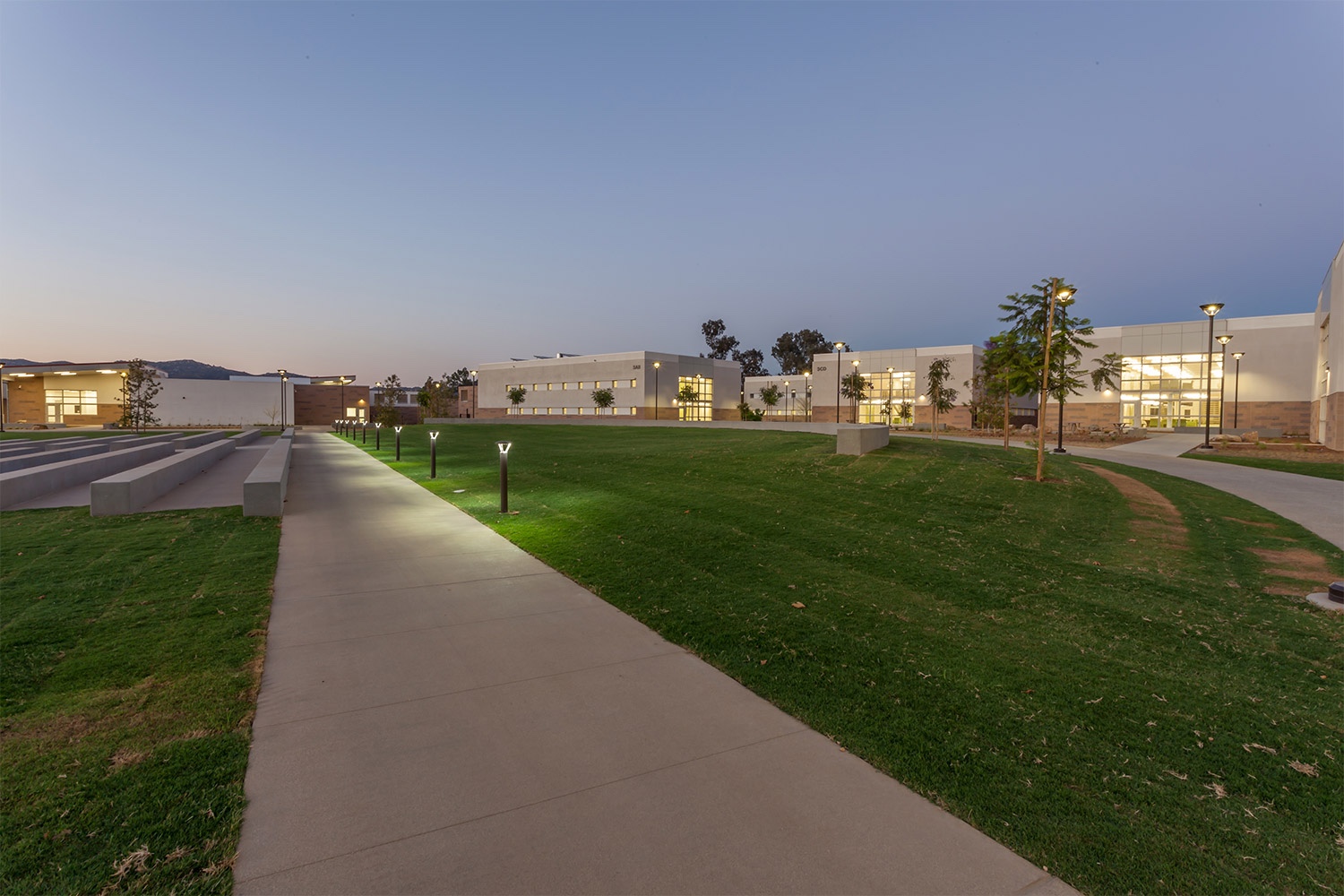
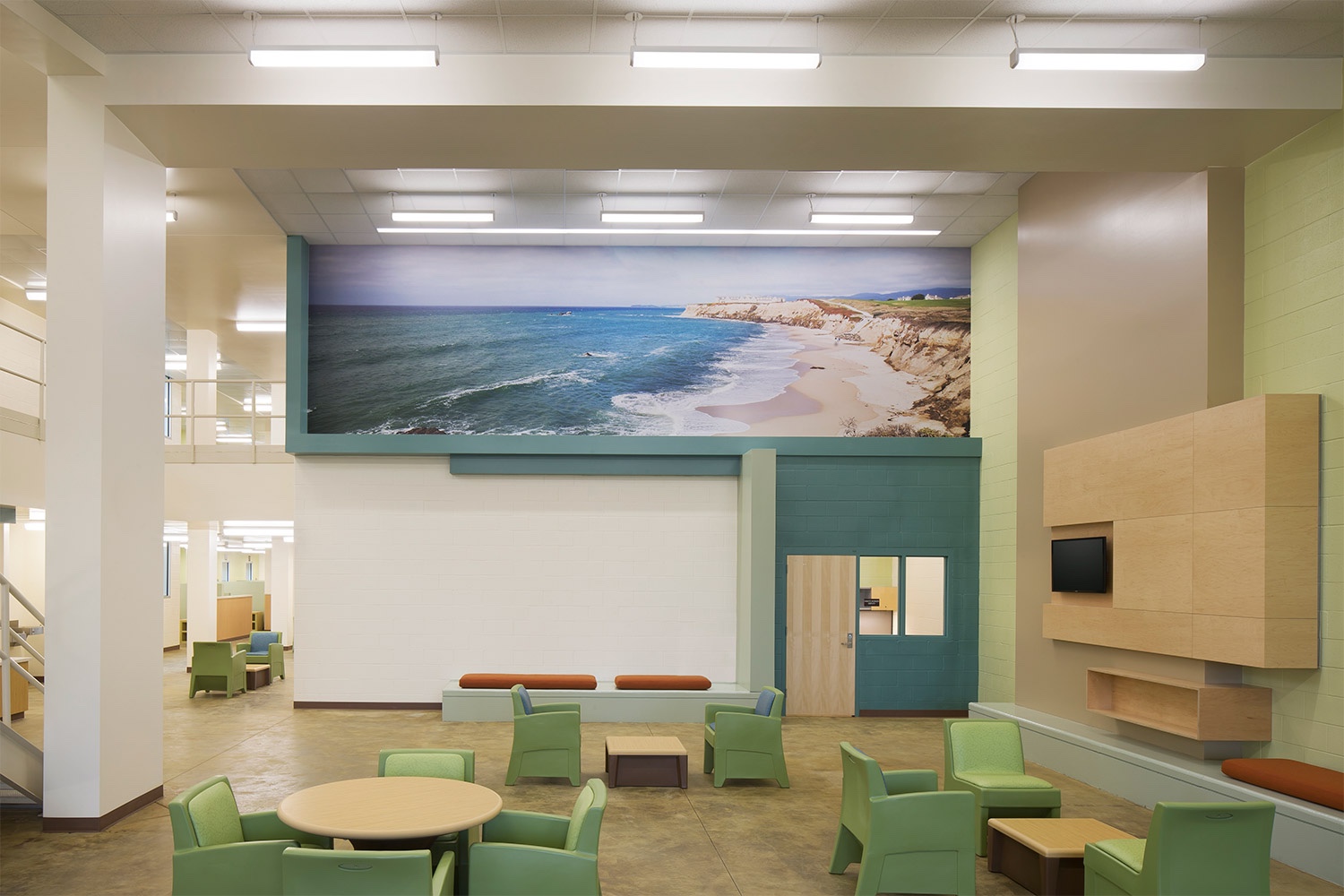
This is a women’s prison in San Diego, California built in 2016 by HMC Architects. The 45- acre campus houses over 1,200 inmates ranging from low to maximum security, and is adjacent to a residential neighborhood. This example addresses the issue of prison reform. The architecture of this prison articulates a change in mindset and perspective. Its not just the architecture that makes this prison exemplary, its the objective behind the architectural choices. The intention behind this project was to create a comfortable space reminiscent of a college campus or community center. The hope was that this architecture would reduce violence, mental health issues, and recidivism, and encourage personal growth, health, and safety.
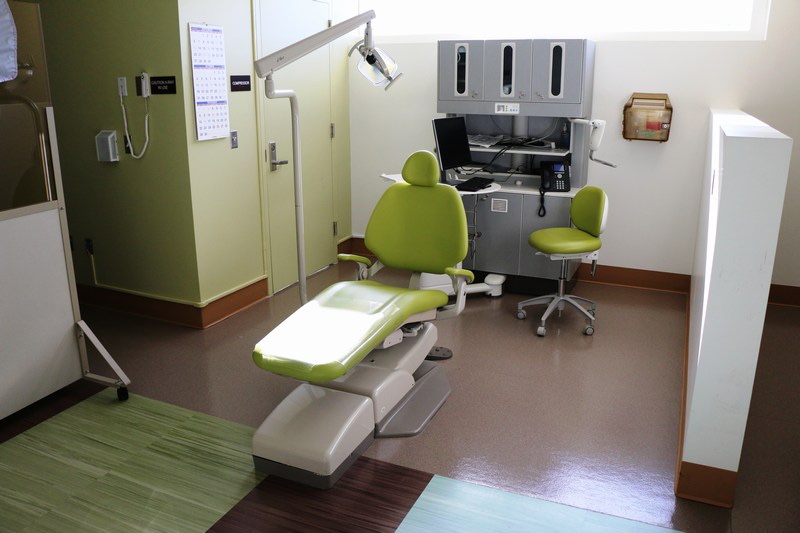
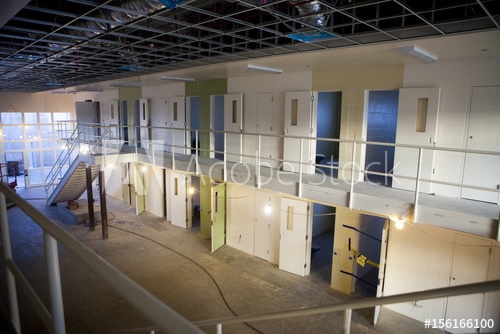
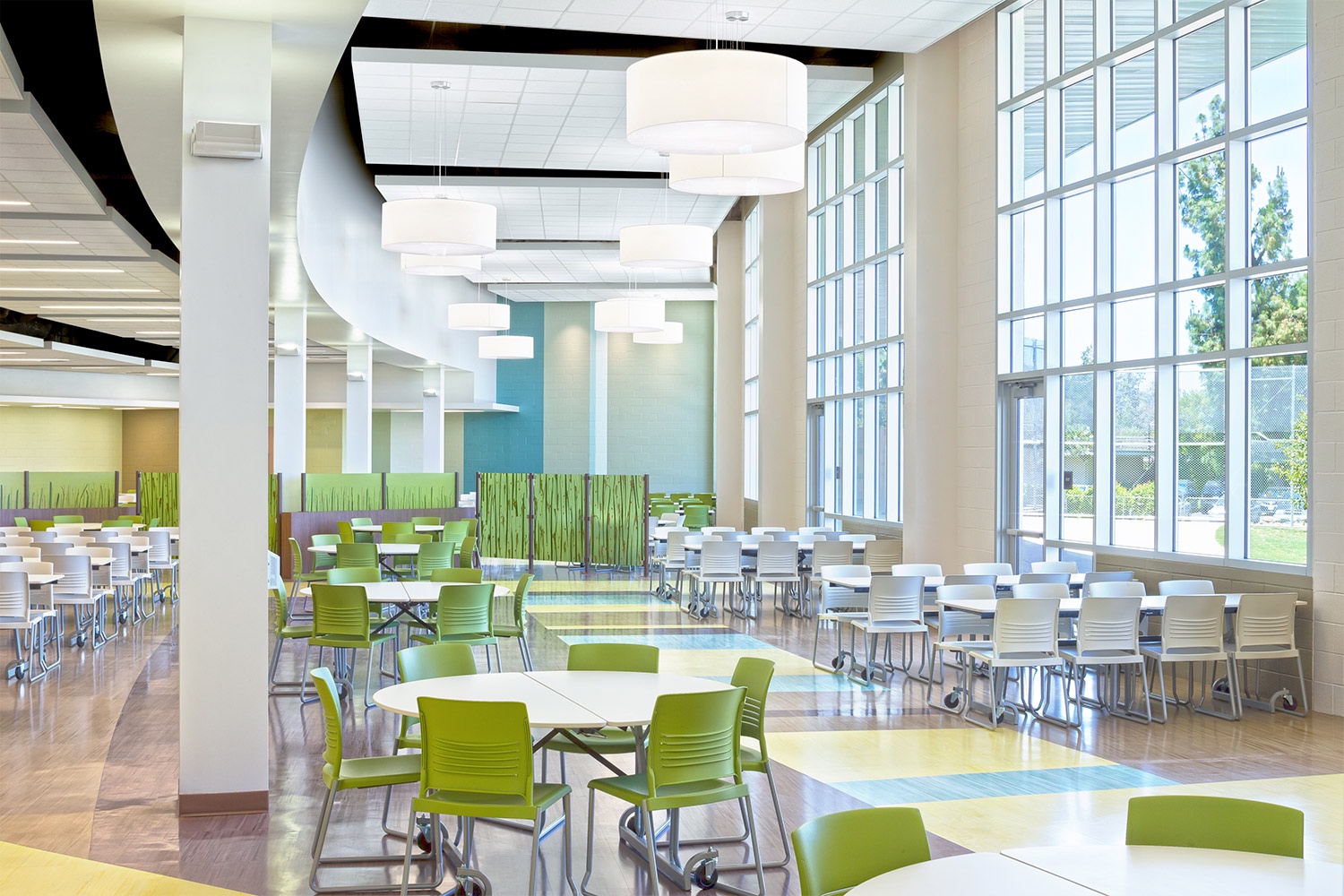
The removal of physical boundaries, a picturesque color pallet, incorporation of natural light, and socially-encouraging design have shown to have overwhelmingly positive impacts on prisoners. The architecture encourages community, personal development, and comfort. Designated buildings and spaces for classrooms, sport and exercise facilities, courtyards, free walking paths, religious spaces, and various amenities help encourage good behavior and freedom. Thoughtful design features include direct hallways that eliminate the need for shackles when transferring high security inmates, guard stations at open desks rather than enclosed rooms, and courtyard-style configuration of cells. The barbed wire is hidden, there are no guard towers, and no bright lights. Many of the designs were controversial primarily because of safety concerns, however the environment has allowed for greater trust between guards and prisoners and fewer incidents.
The architecture of this prison is not as important as the environment created by the architecture. Crawford discusses how architects often become slaves to the countless demands of clients, and as a result the creativity and art is replaced with cheap alternatives, social and environmental irresponsibility, and carelessness. However, the example of The Las Colinas Prison actually allowed architects to be socially responsible, aesthetically-focused, with an emphasis on investment in order to play a part in creating a safer future. The architecture meets the needs of a prison, while serving the inmates and community, while also displaying pleasing architecture. This example is exemplary when it comes to prison reform, and hopefully more prison architecture adopts a similar perspective.
County Facilities Construction
https://www.kmdarchitects.com/las-colinas-detention
https://www.tetratech.com/en/projects/designing-for-rehabilitation-the-las-colinas-detention-and-
https://www.ozy.com/the-new-and-the-next/can-architecture-cure-crime/63328/



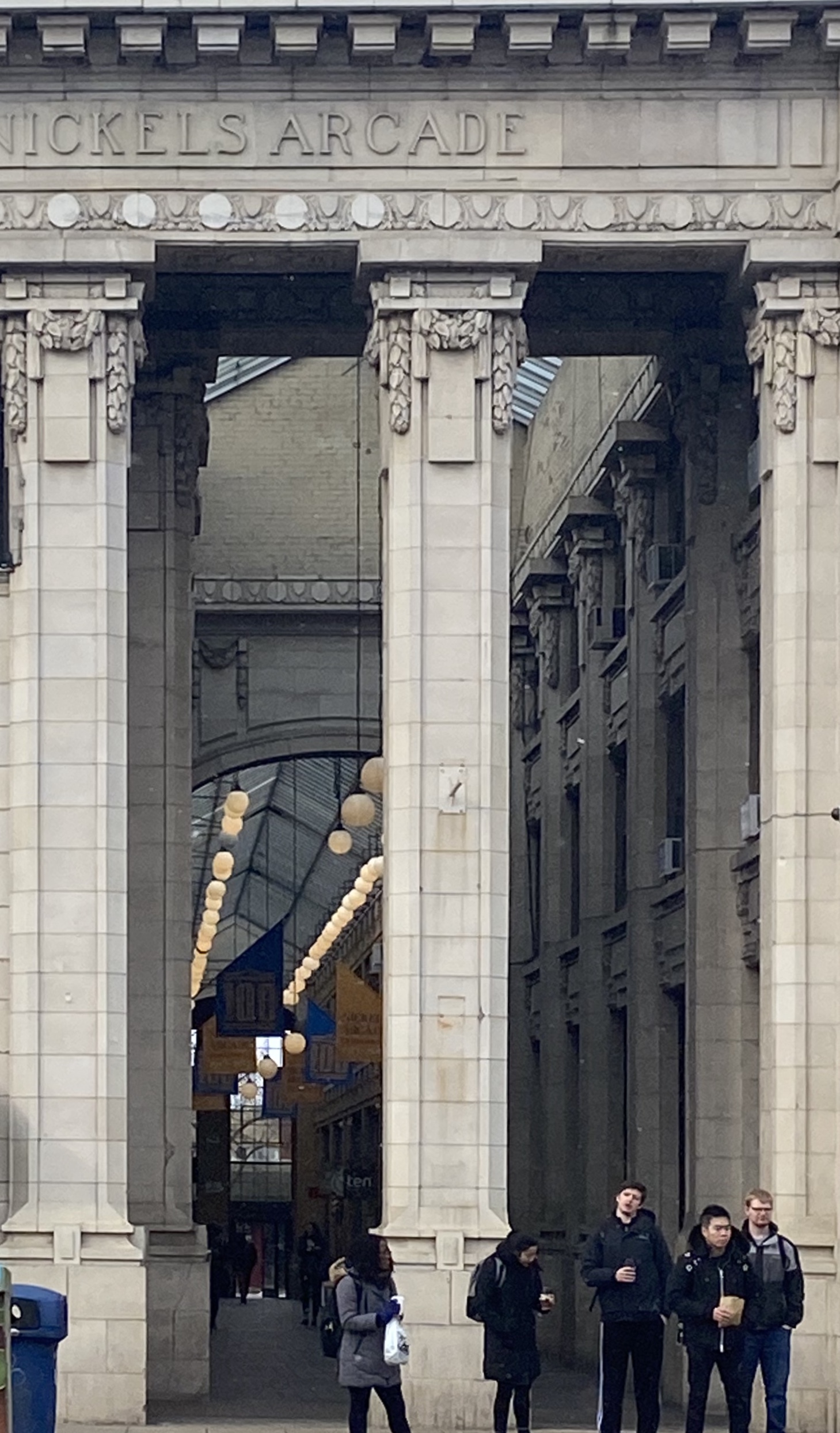
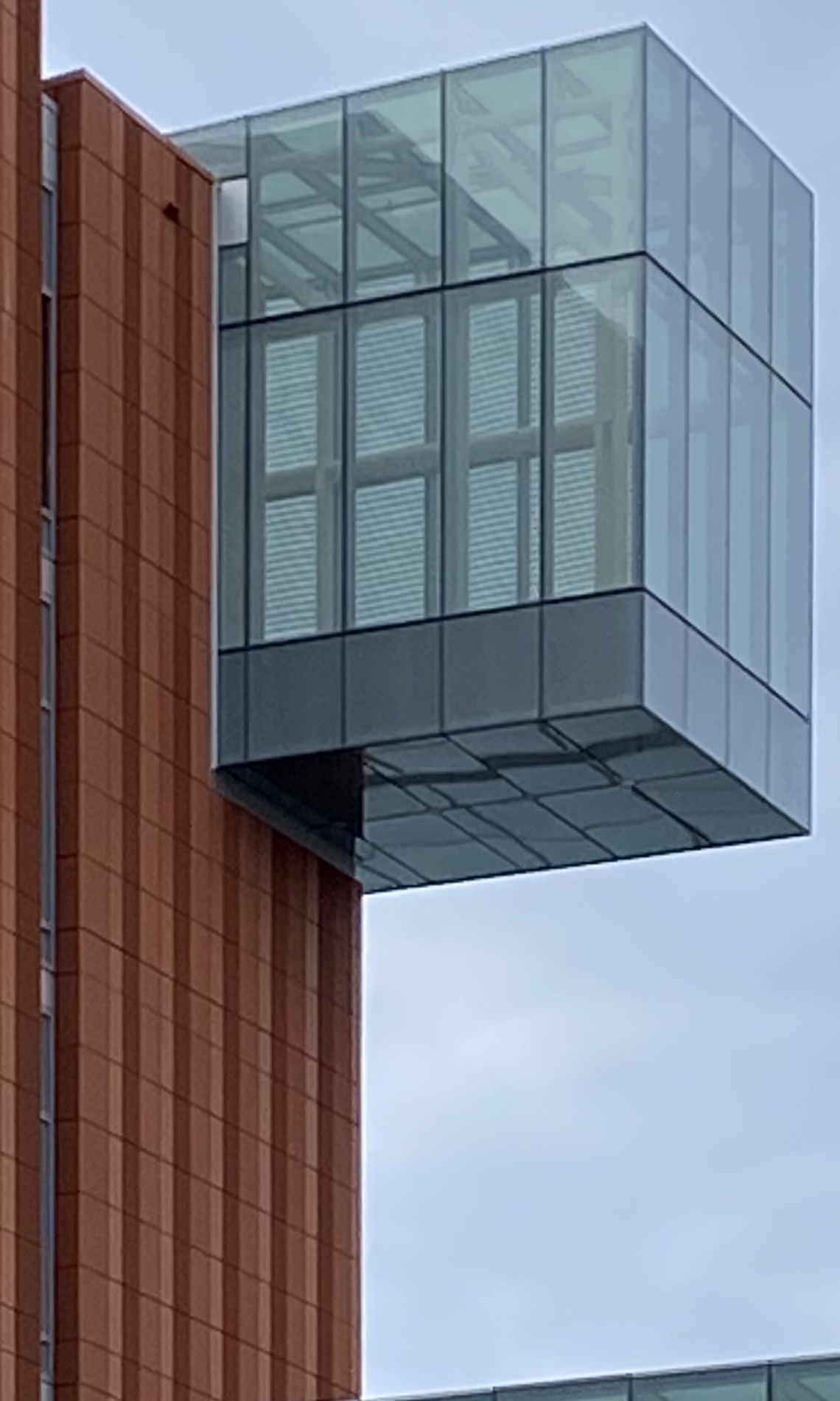
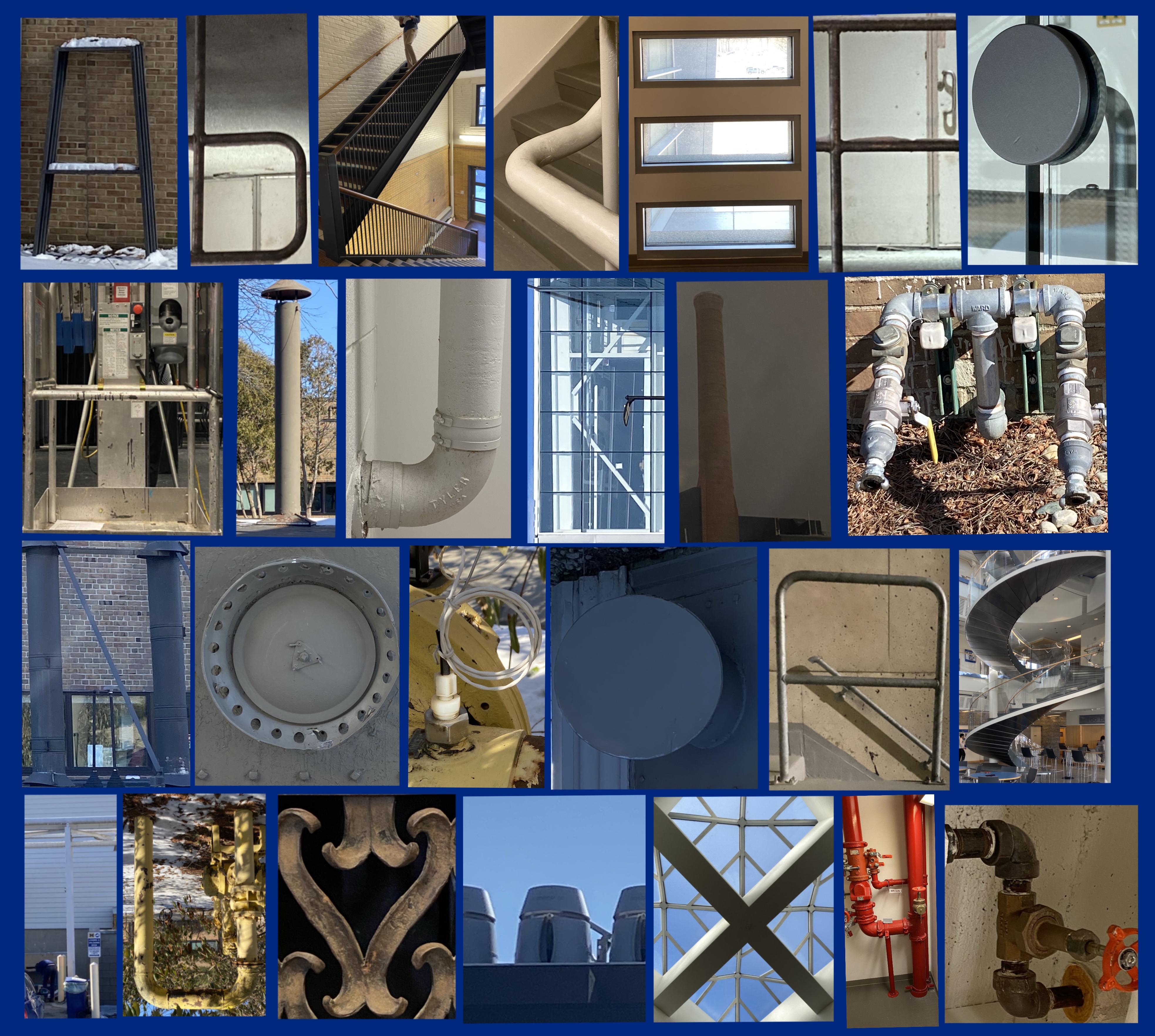 My theme is industrial design- most of these pictures aren’t of things that were designed for aesthetics, they were designed for purpose. Many pictured letters are made out of metal, pipes, and have practical designs. Those that aren’t were taken in and of engineering and science buildings.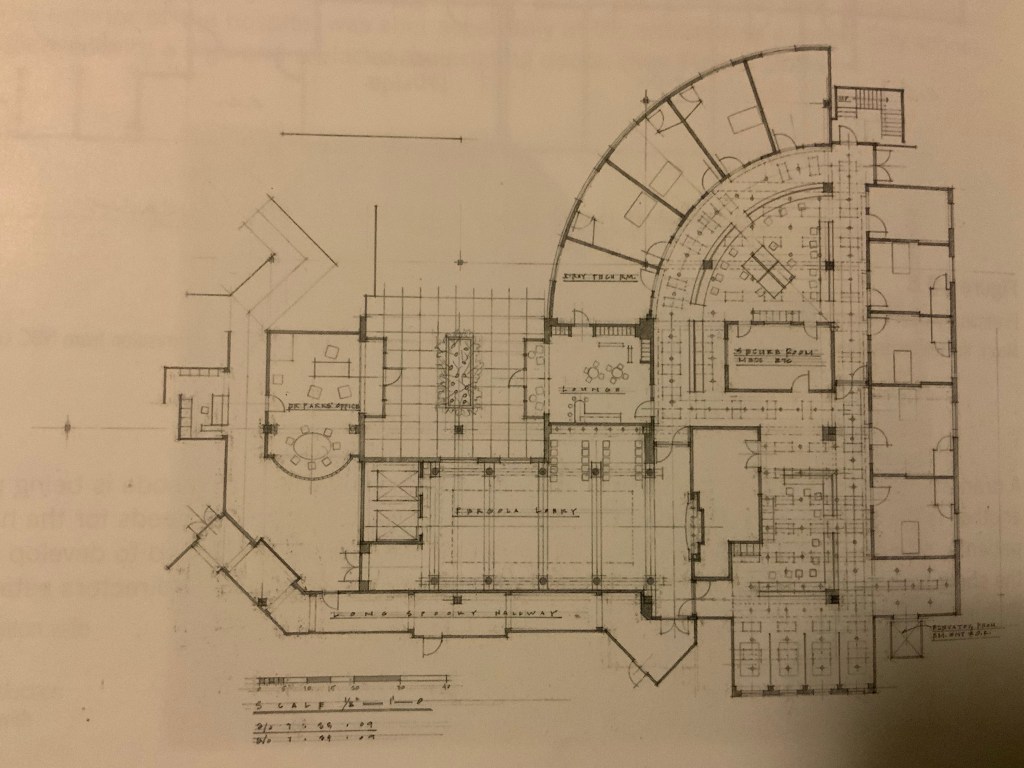









 Brian's 212 Understanding Architecture Section