Blog Feed

3 Letters
 M
M
 V
V
 S
S
3 Letters
Reading Response 1 ___ Quiet Domain
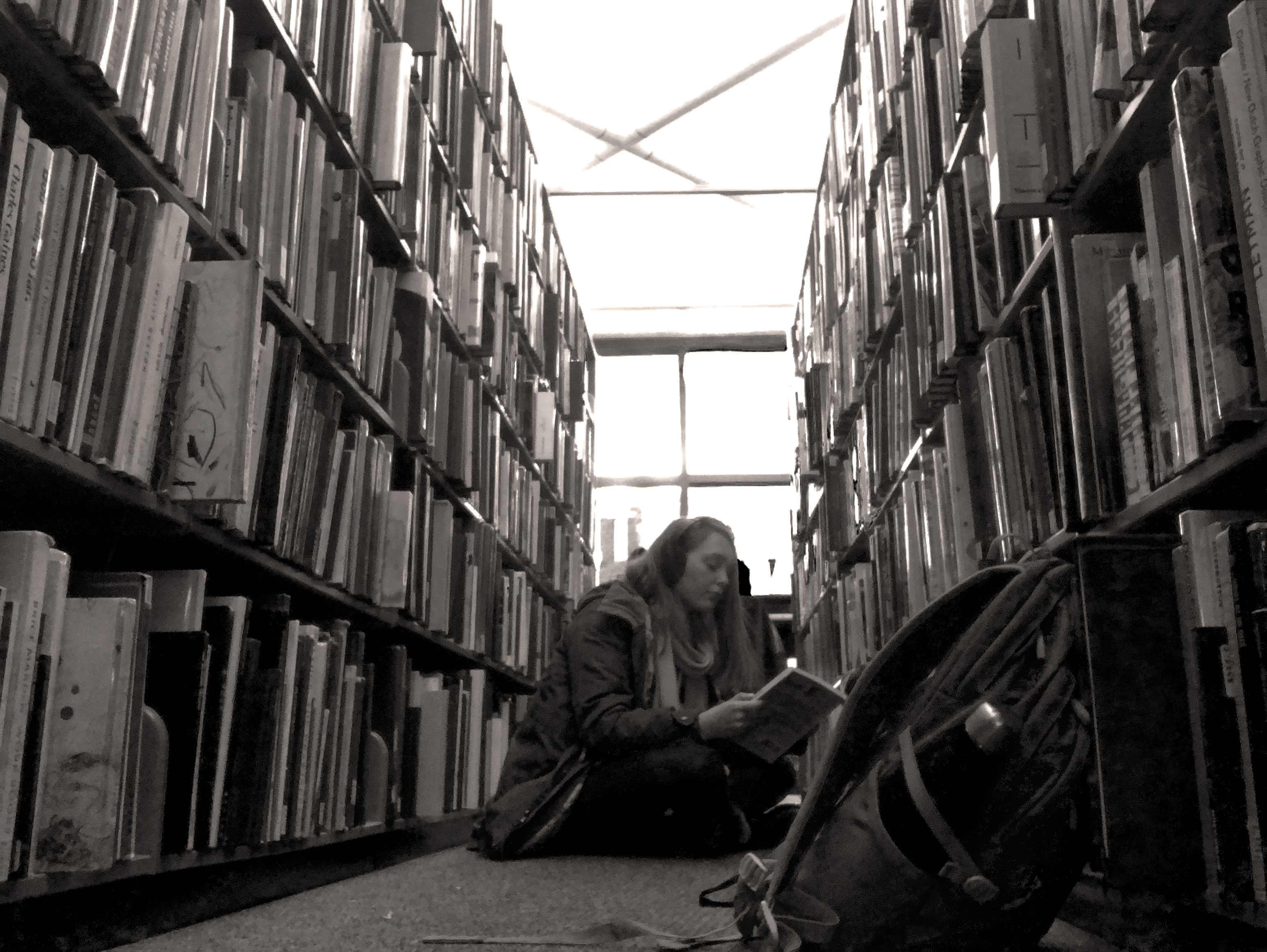 Through my time at the University, I have realized that I have very little personal connection to any specific place on campus. Each year has been so vastly different from the last that it feels wrong to settle. The one exception is row 253 on the second floor of the Duderstadt library. This row of library shelves appears like all the rest, no wider than 3 feet with books lining floor to ceiling on old industrial metal shelves. It’s a very public space, with many people lined up on the desks facing the window. The room as a whole is a hub for quiet academics. I come to this row, this domain because even though it is so public, the space between the shelves is private.
I use the space differently than most. Although I feel like I use it for the true intended purpose: to look at and read the books. But who am I to say what the true intended purpose is. Just like in the Rasmussen article when he observed the group of boys playing with the architecture, I realized just how multifaceted a single domain can be. “My private domain is a part of their larger social domain” (Lavine 11). Although I hold no commercial ownership of my domain, I still get annoyed and frustrated when I see others pursuing it. Much like the anecdote about the front lawn in the Lavine reading, this public yet private domain binds me to a community. I do not have to pretend to be anyone but myself when I am alone between these shelves, yet I do not ever feel alone.
First Three Letters
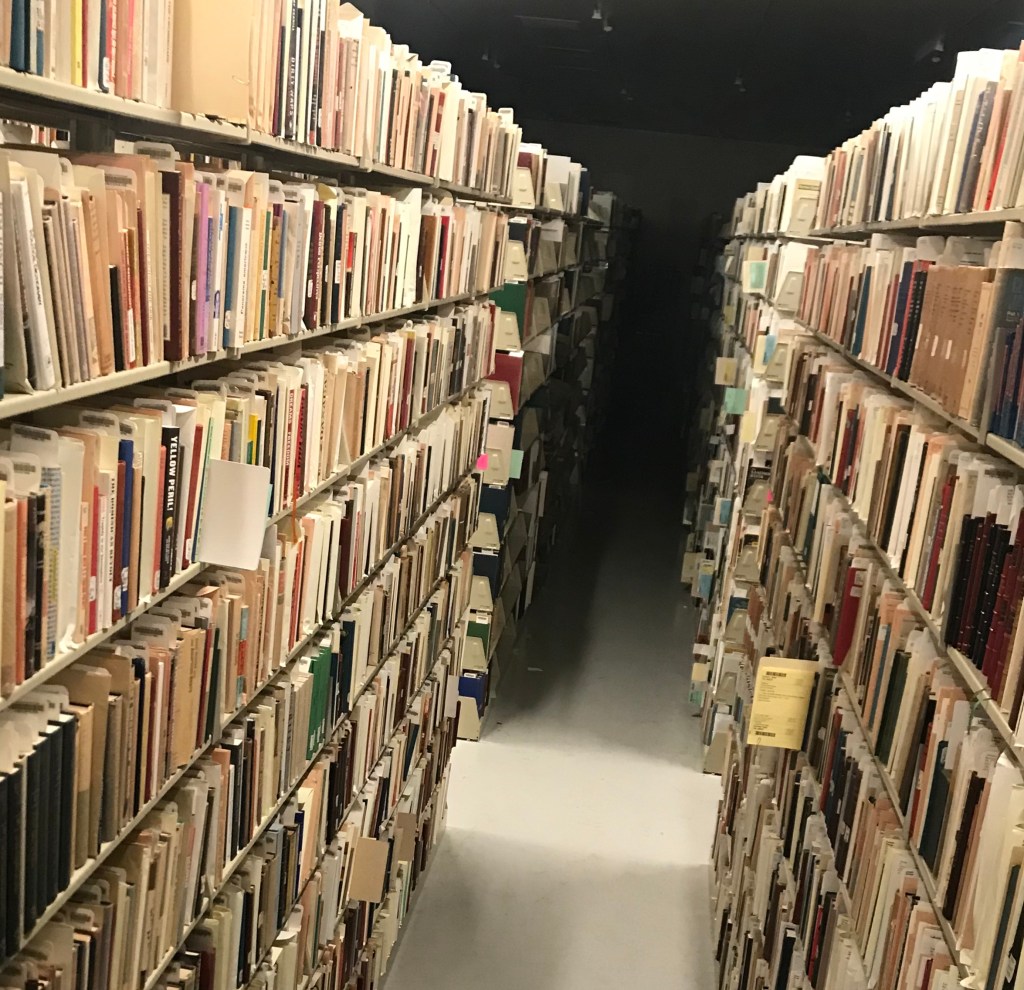
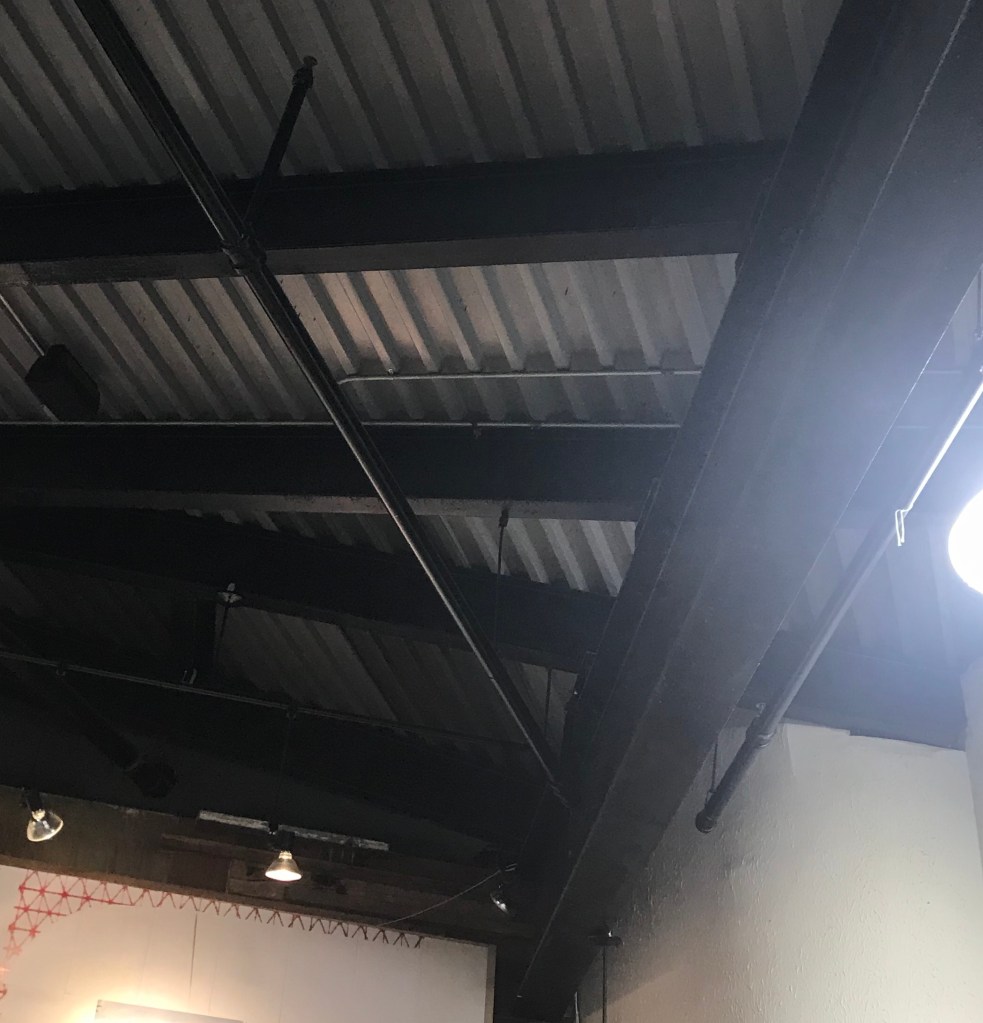
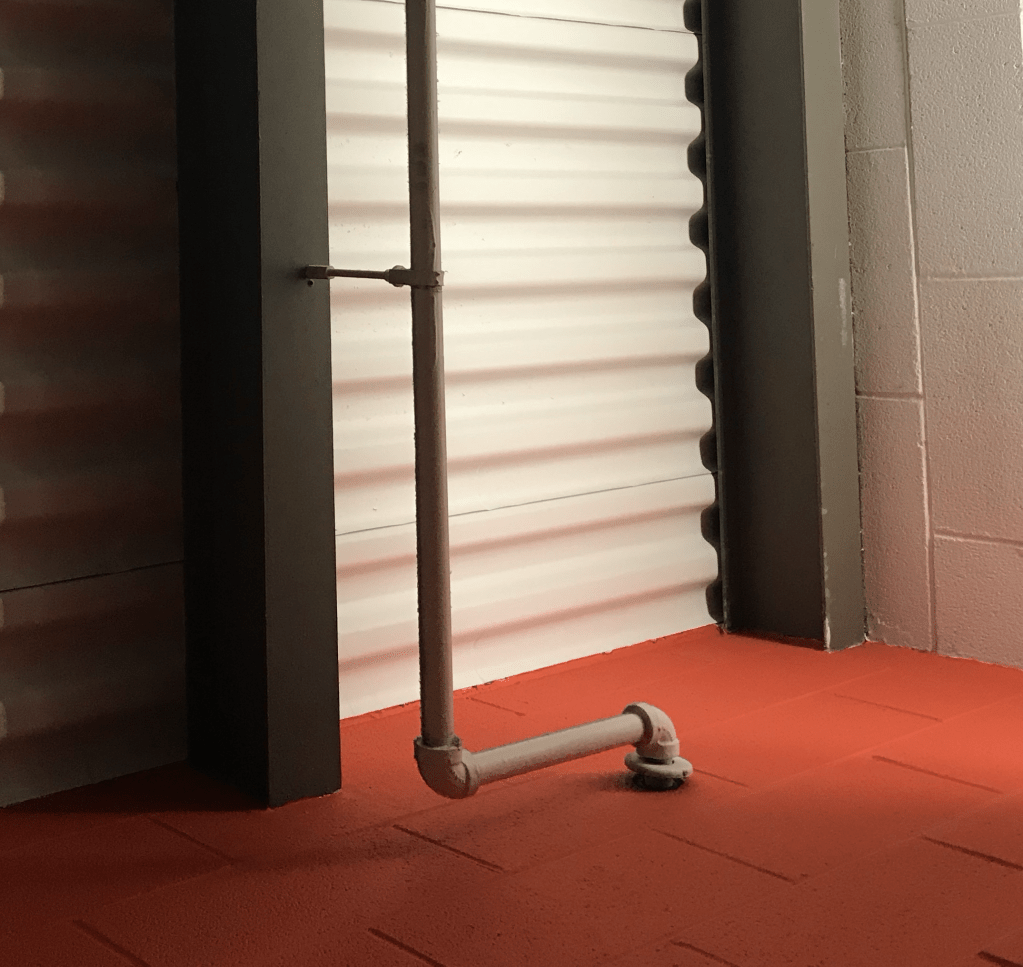
Project 1: First 3 Letters
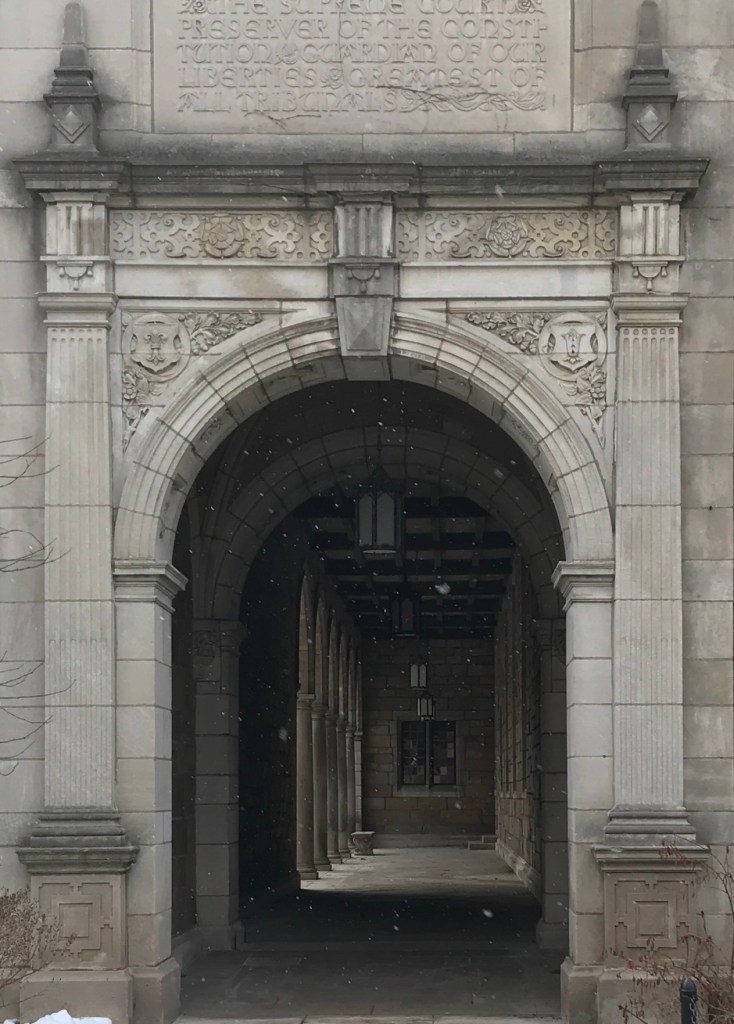
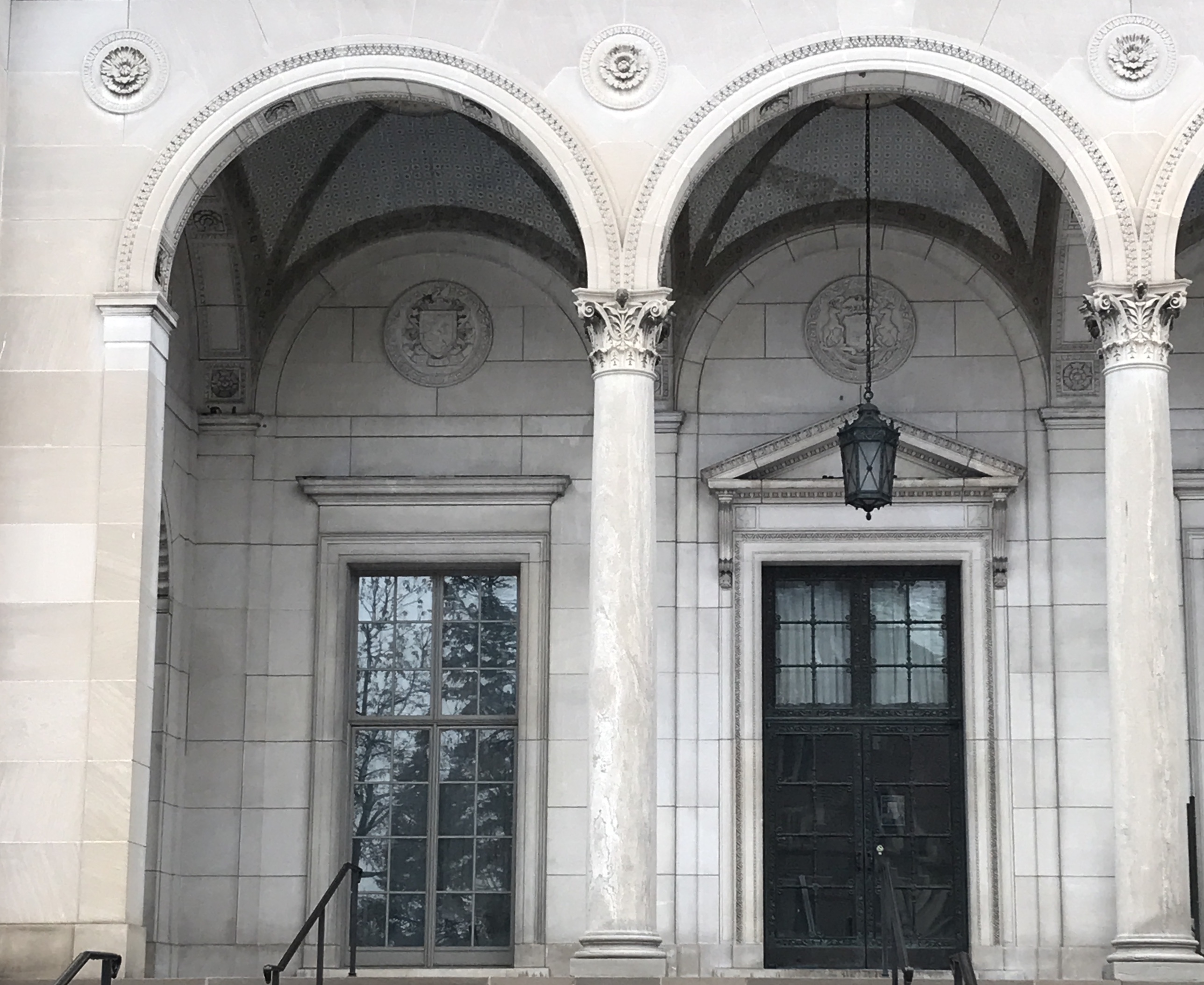
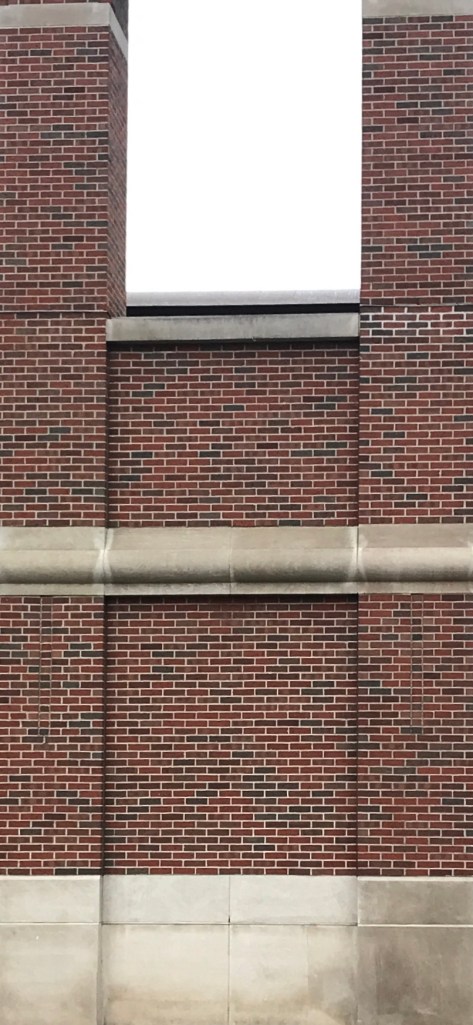
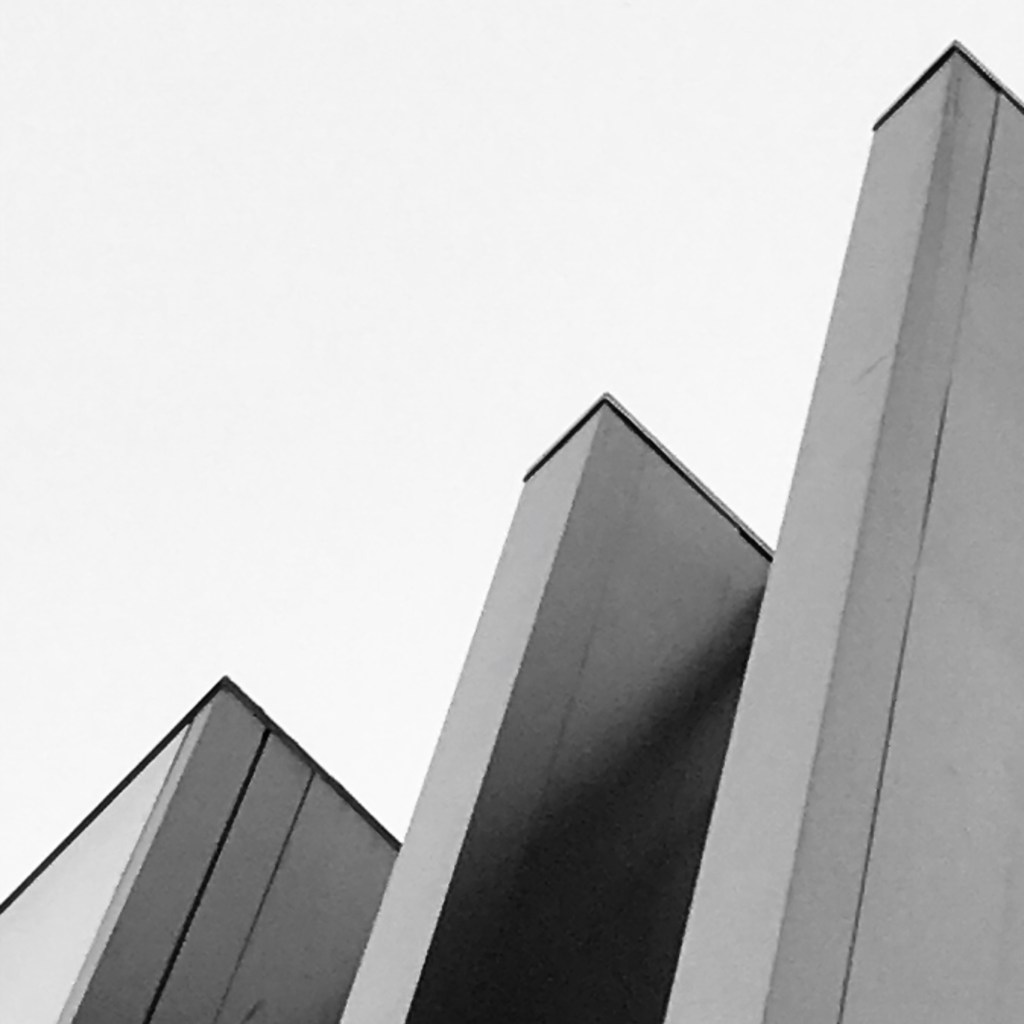
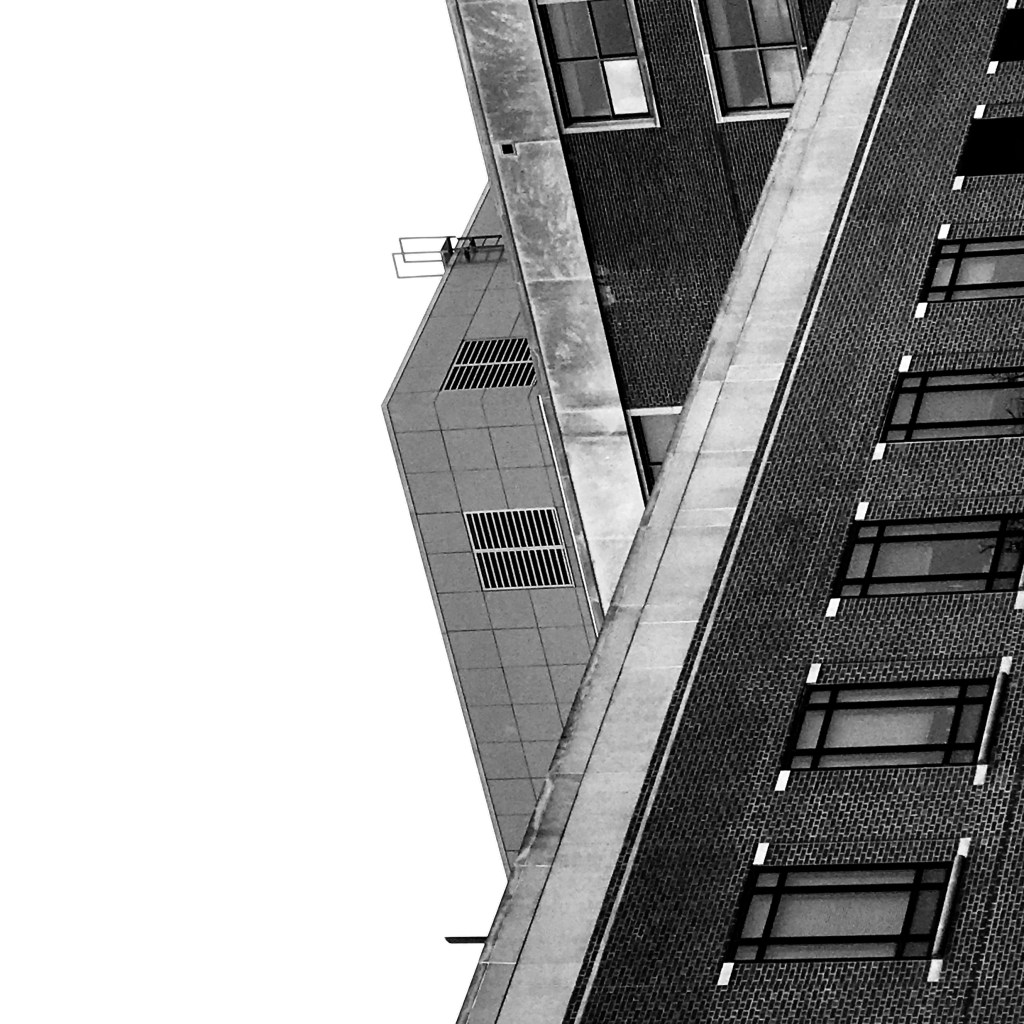
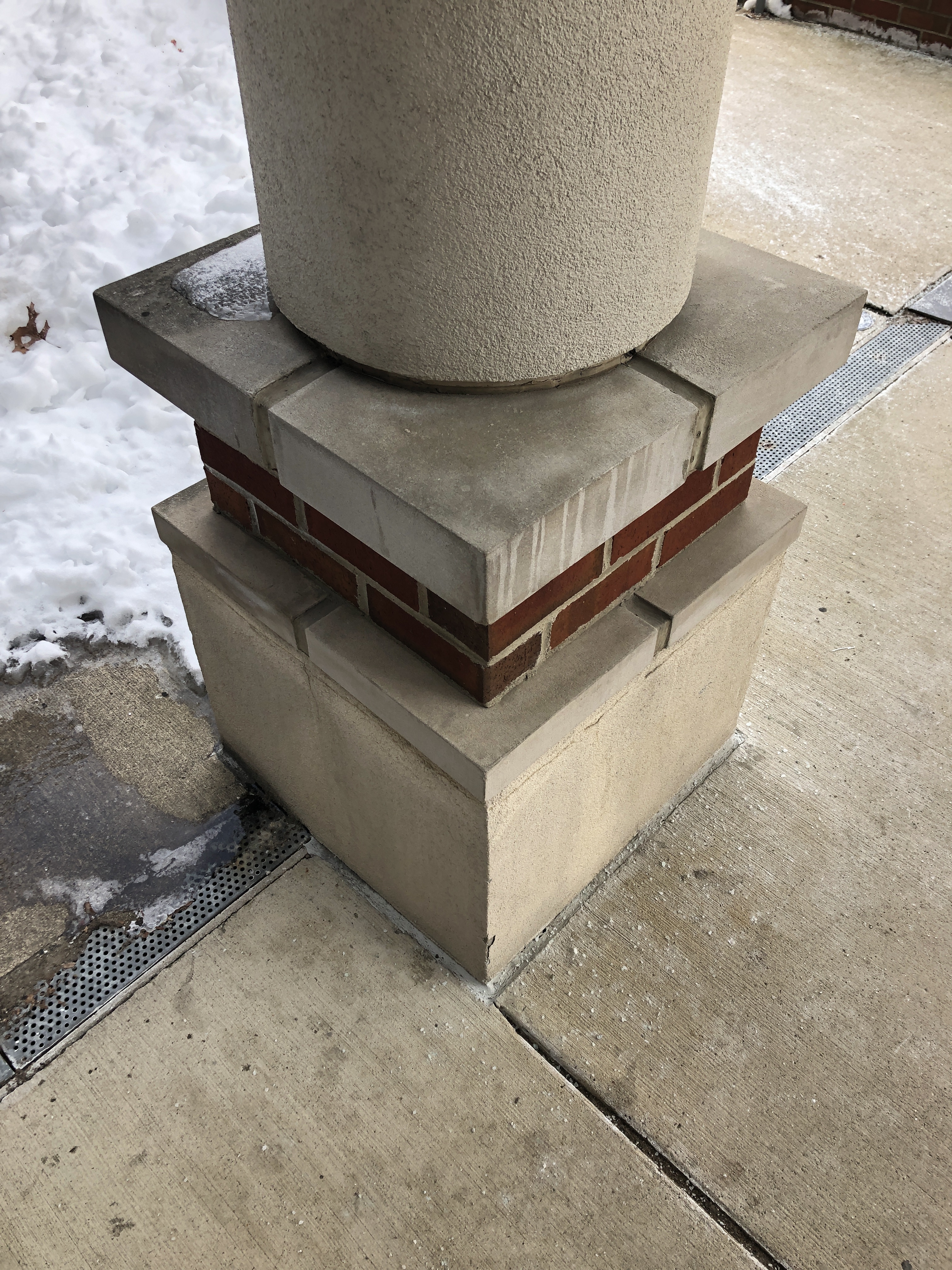
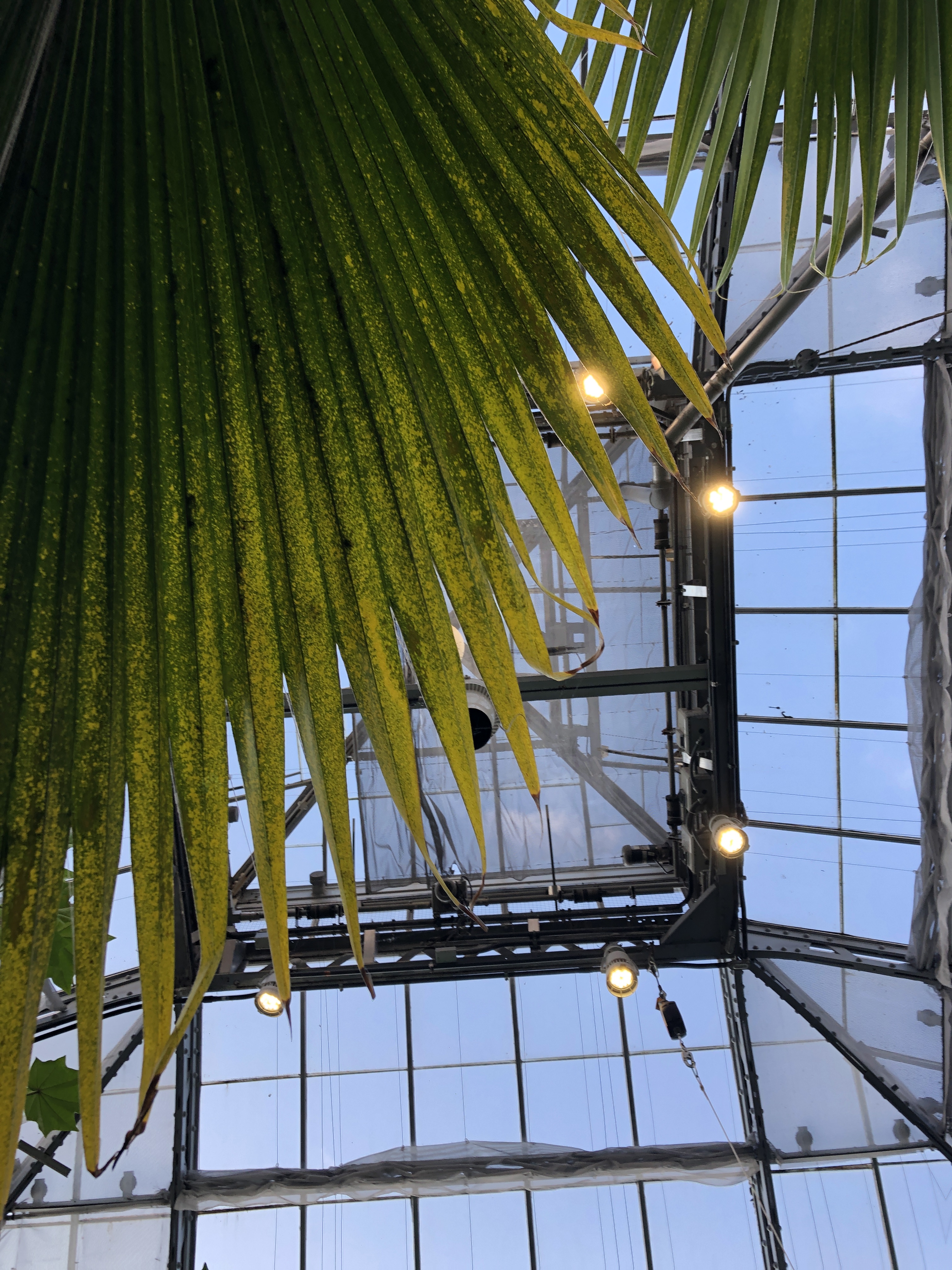
The first three letters I found in my daily routine were W, M, and H. After seeing that two of my letters were present in an entryway of a building or outdoor domain, I have decided that I will try to keep this as my theme for all 26 letters.
_________ Domain
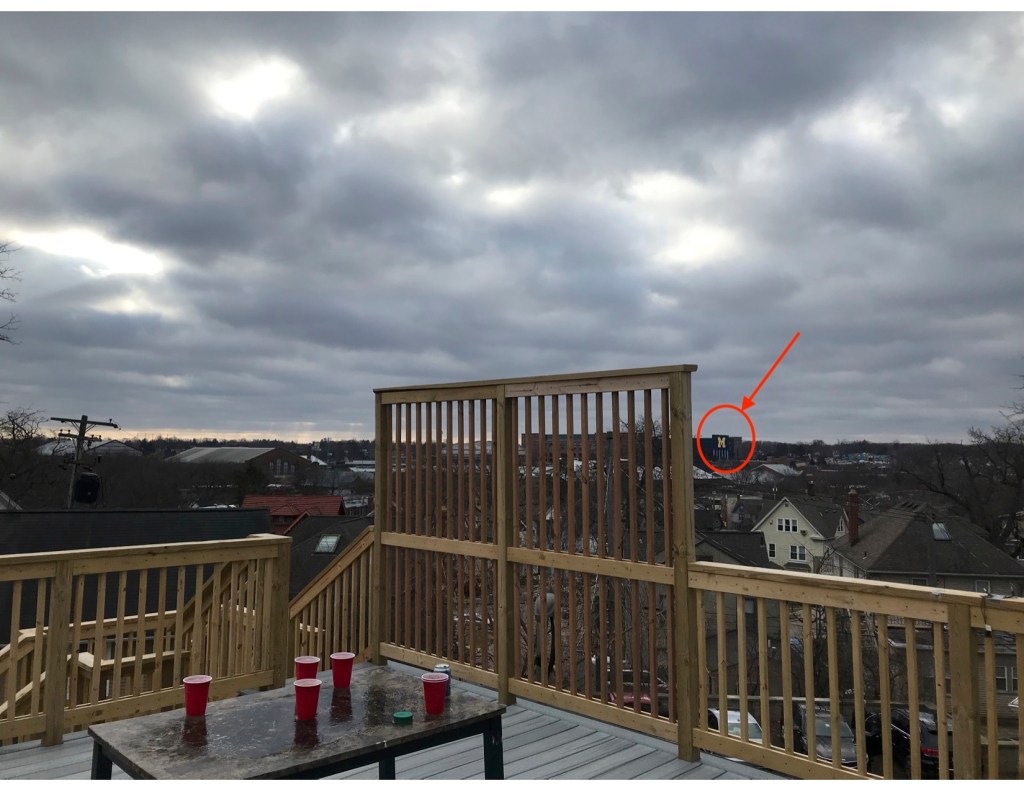
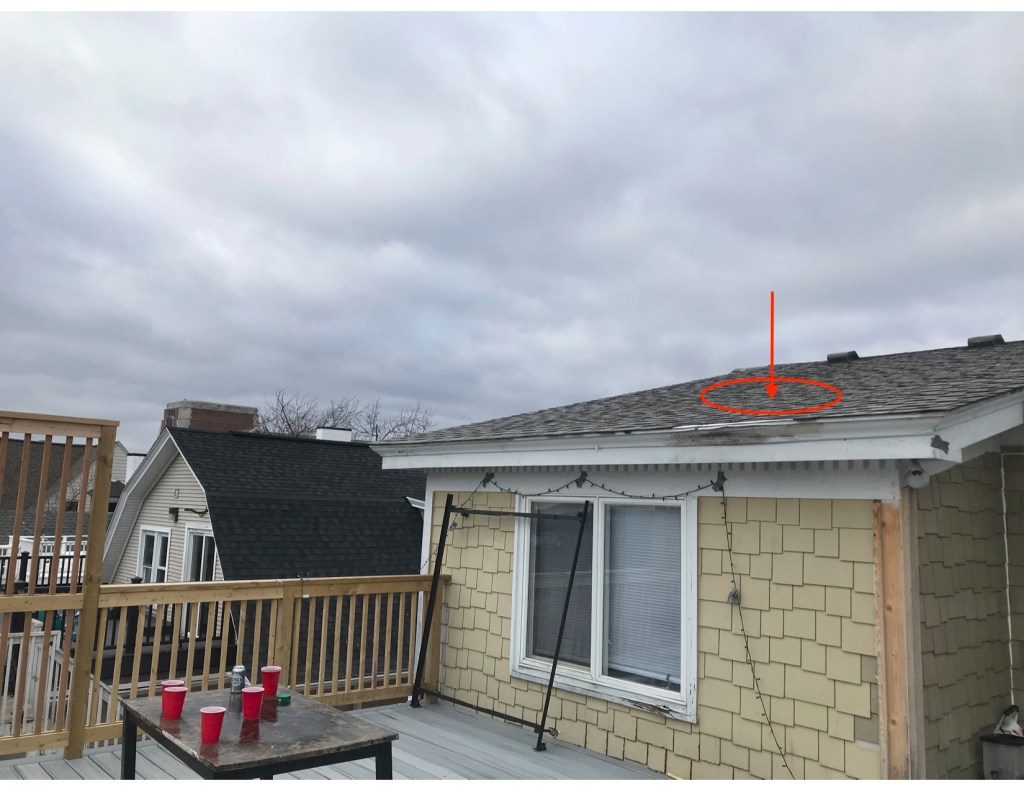
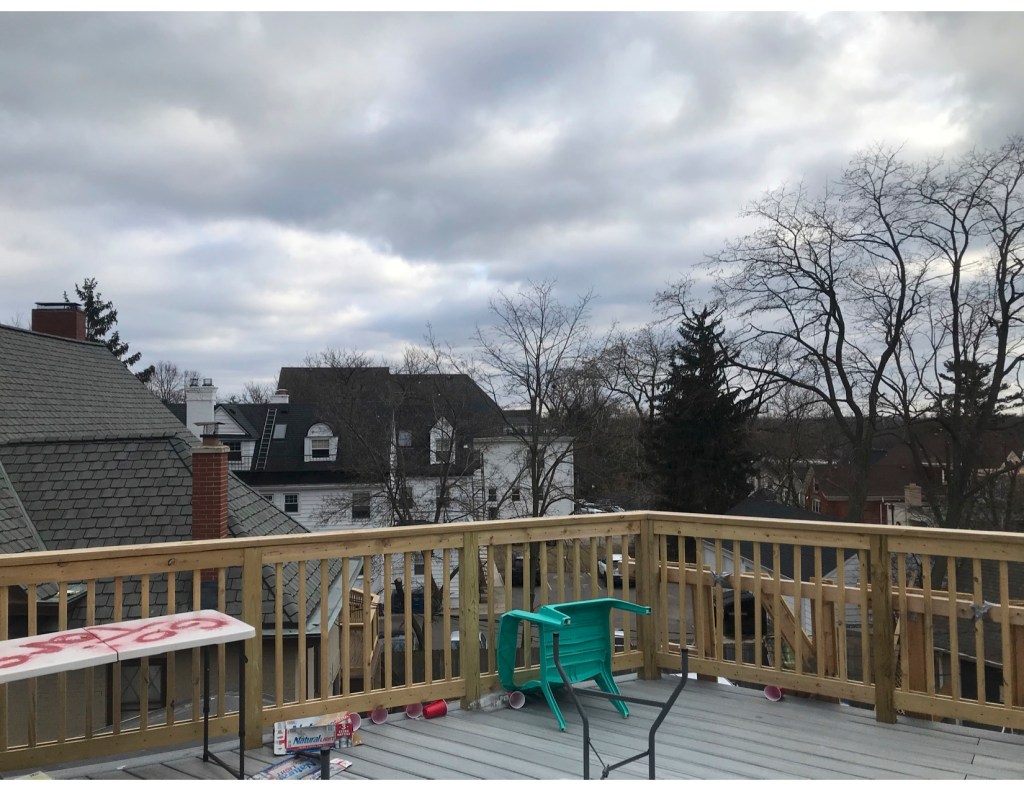
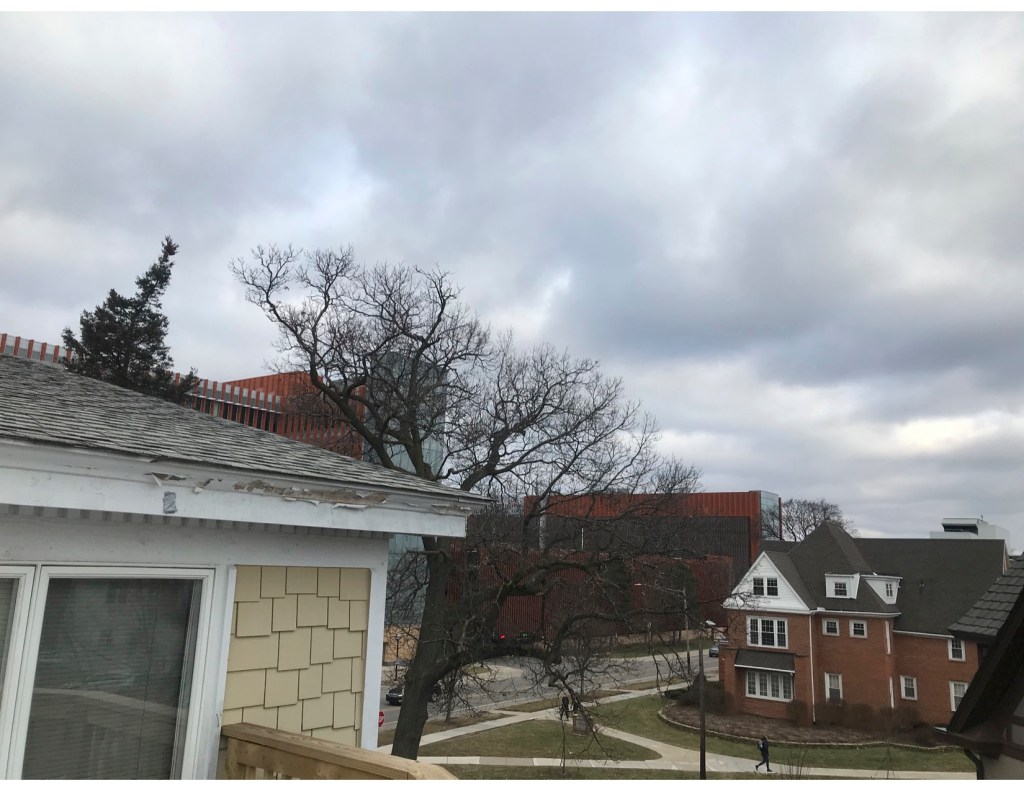
I call this domain the Dual Domain because it embodies an important mindset that I use every day, the root of which is attempting to accept everything in front of you. I like to look at things from an all-encompassing perspective: factoring in every variable to see the root cause of issues in this world. From the Dual Domain you can do just that, specific to the University of Michigan. From the deck of this house, you can see both Ross and the rest of Ann Arbor. From the roof, the view only improves. Everything is entirely clear as it is an all-encompassing view of the Michigan experience. In one domain, you can see both the menacing symbol that is Ross and our beloved Big House. This balance of joy and pain, or good and bad, is something that Michigan students experience every day, whether aware of it or not. This dichotomy appears in all forms, but in order to see the whole picture you must acknowledge both sides. While all topics take varying times to reach this general viewpoint, anyone can reach it with patience and an open mind. In the case of this domain, one only needs some courage and balance to see all that Michigan has to offer. “Domain is such an important word in architecture because it allows us to know where we are and how we belong in that particular location” [Lavine, 24]. With this space, you belong TO the domain as you are literally feet from death, yet you are safe if you solely remain calm and enjoy the view. That is the Dual Domain: a space in which you cannot ignore what is in front of you, regardless of your notions of right and wrong.
PROJECT 1
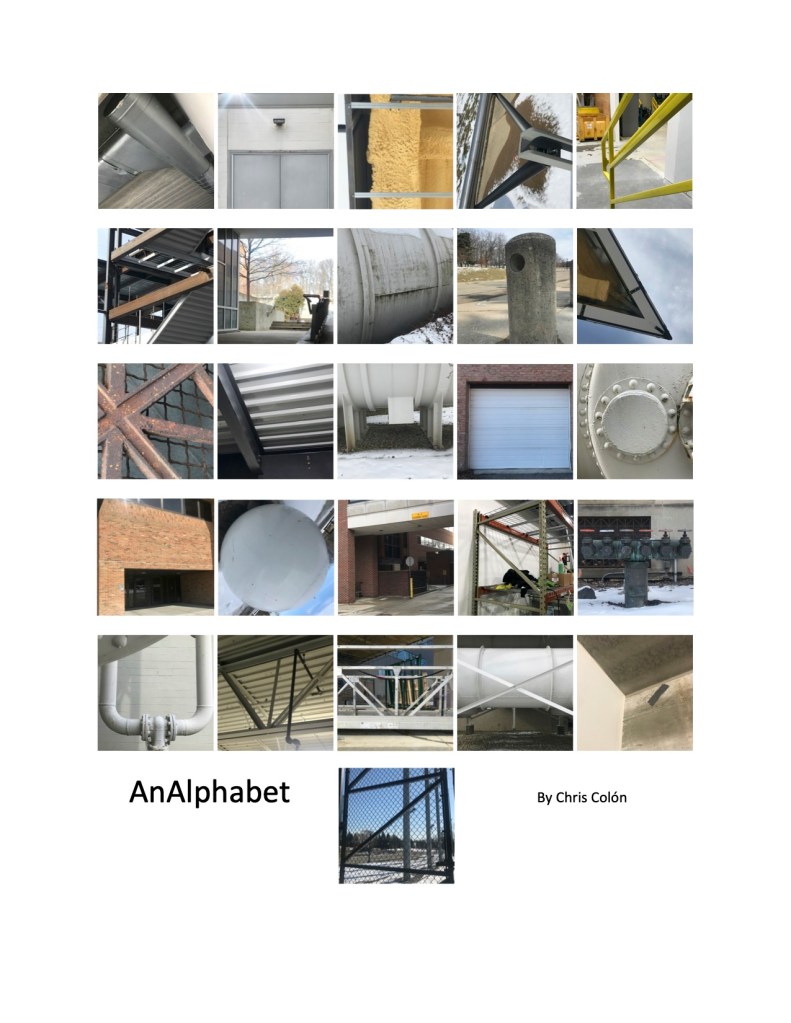
For my AnAlphabet, I have decided to focus on Industrialized Design. In my eyes, the core of industrialized design is focus on function, but solely function. In most of these structures, aesthetic is often forgotten and, at times, entirely disregarded in pursuit of an efficient design. With my project, I attempted to find form in structures that primarily exist for their function.
3 Letters
Reading Response 1
Lena Yang
Artist Domain
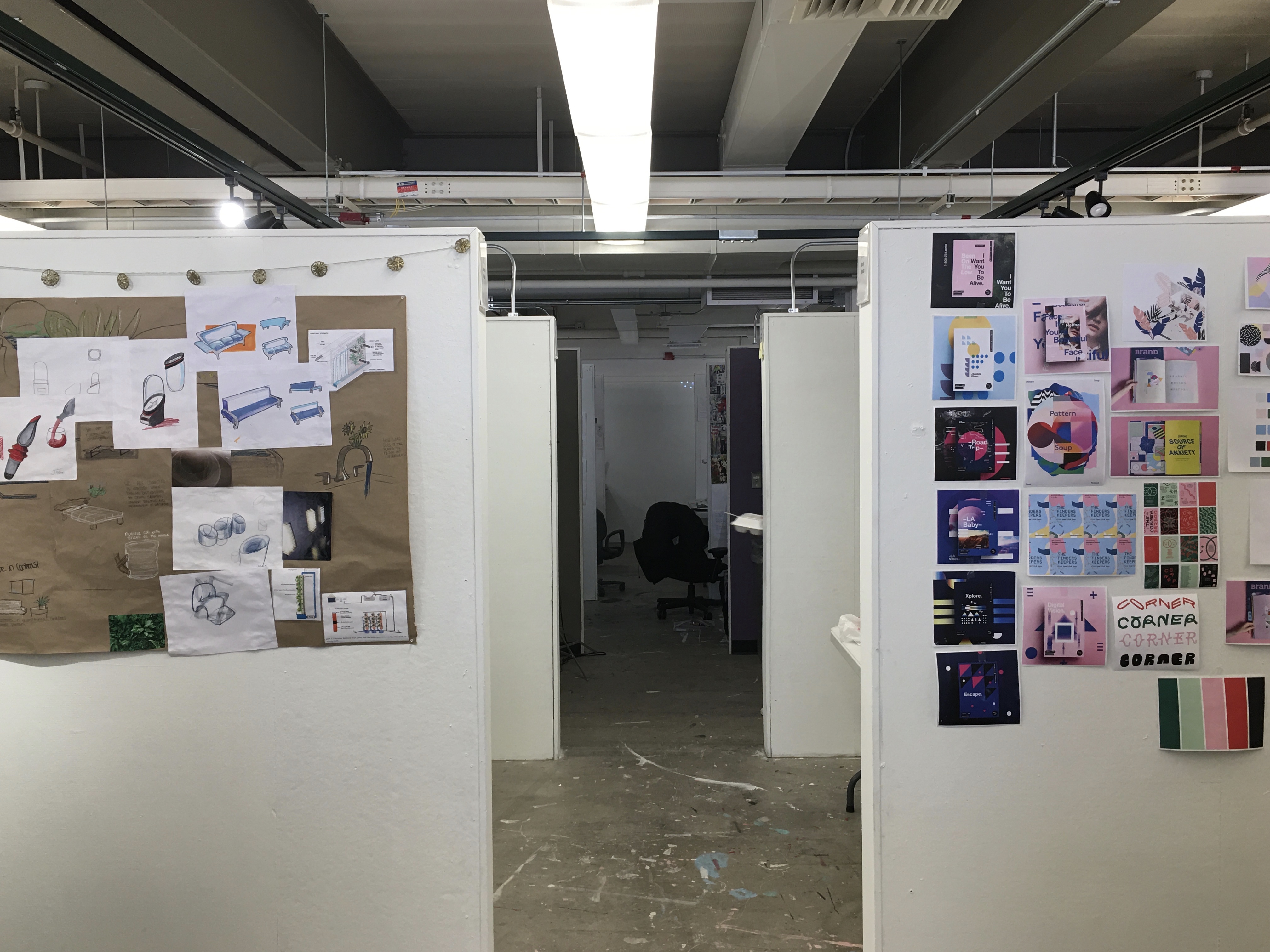
The senior art studios in the Art and Architecture Building lends itself to be an interesting example of domain. The whole area consists of rows and rows of cubicles facing each other. The spaces feel simultaneously private but also open. Every studio is identical, with 3 large empty, white walls, which students then decorate in an attempt to make it their own. Each cubicle is also marked with our name, on a small white piece of paper. This simple, and seemingly futile form of identification, takes the cubicle and makes it into one’s own private ‘studio’. I find comfort in my studio and retreat there to work, knowing that it is my space and not anyone else’s simply because it was marked for me by a professor. Just as Lavine says, domain can create a “sense of belonging” which is formed by the physical architectural forms, like the 3 walls of my studio, along with the cultural and social rules that manifest, such as the expectation of others to not encroach into studios that aren’t theirs.
The concept of domain as a physical and social means to keep things in or keep people out is further exemplified by the studios’ vulnerability. There is no camera or security system designed to protect our belongings which lay open on our tables. Anything from books, art supplies, food, blankets and furniture could be taken, yet it’s rarely the case that anything is reported stolen. There is a sense that all senior students are given their prospective spaces and will respect other spaces that are not their own.
 Brian's 212 Understanding Architecture Section