Be yourself; Everyone else is already taken.
— Oscar Wilde.
This is the first post on my new blog. I’m just getting this new blog going, so stay tuned for more. Subscribe below to get notified when I post new updates.
Be yourself; Everyone else is already taken.
— Oscar Wilde.
This is the first post on my new blog. I’m just getting this new blog going, so stay tuned for more. Subscribe below to get notified when I post new updates.
The Global Flora greenhouse built by Kennedy & Violich Architecture reimagines the greenhouse. A typically energy and water intensive structure, they used designed Global Flora to be a sustainable, net zero energy building. Built on Wellesley College’s campus, it connects to the local community of Wellesley, Massachusetts as a public resource. All materials for the project were sourced locally and with low resource intensity for both construction and operation. Housing a preeminent plant collection, it also supports public education through integrating sciences, arts, and humanities.
The structure uses ETFE cladding instead of the most common glass. ETFE, ethylene tetrafluoroethylene, is a plastic that is lighter and more flexible than glass. Meaning that the architects required much less structural support, allowing them to increase the height and volume than most greenhouses have. Aesthetically, this allowed them the creative freedom to create a greenhouse that was shaped unconventionally. They also used about half as much steel than a glass greenhouse would have required. South facing, the greenhouse is well-supplied with sunlight. A computer controlled interior shade system also mitigates summer glare. Rainwater is also collected on the roof in two massive underground cisterns, allowing it to be filtered, and used for hand watering the plans. Sensors were placed to determine which plants need water and when in order to improve water efficiency. Global Flora’s enhanced sensor systems allows research to be done about how water and nutrients are moving through the plant systems.
Source: https://www.lafargeholcim-foundation.org/projects/global-flora
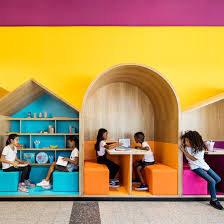
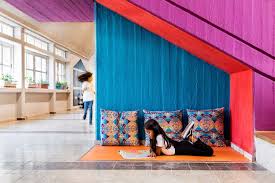
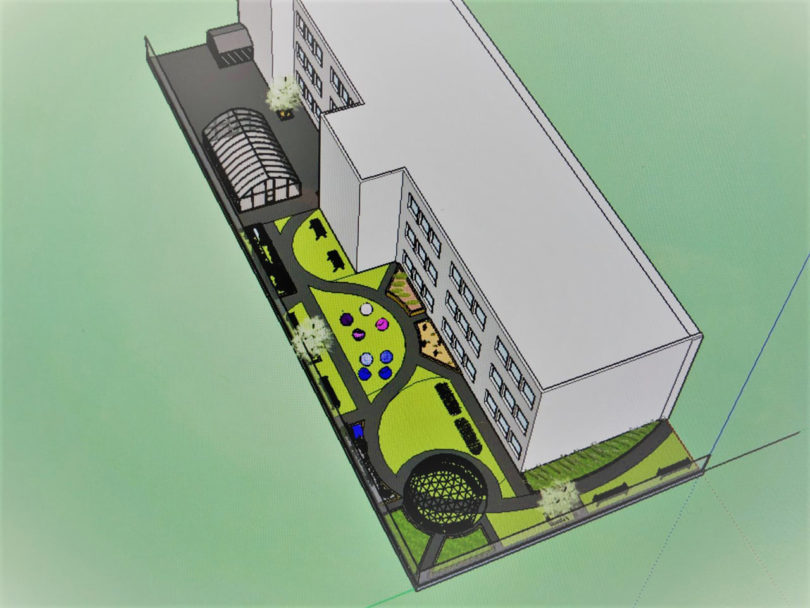
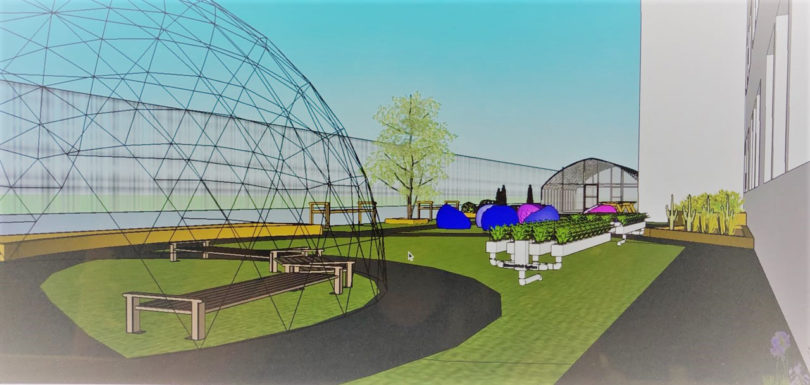
The Hayarden school in Tel Aviv is designed to make children feel at home. The school is located in an area of Tel Aviv that is home to thousands of refugees, mainy from Sudan and Eritrea, as well as Israelis with a low socioeconomic background. The school was originally constructed in the 1960s, but was neglected until architects Sarit Shani Hay, Chen Steinberg, and Ayelet Fisher decided to design a school that felt like a home. With vibrant colors painted on the walls, bright lighting, and wooden house models, the hallways certainly mimic home structures. There are also many community spaces throughout the school for the students to read and study outside of classrooms, promoting their engagement with their learning. There is also a community garden for the students to participate in. These aspects of the Hayarden school foster a sense of community bonding for the refugee children and inspire them to learn and engage with one another. In addition to this, the school gives each and every student a sense of belonging. Immigrant families living in Tel Aviv are subject to discrimination and in the neighboring comminities, residents and even politicians seek to expel them. That is why the designers needed to create spaces beyond the classrooms that allow students to comfortably study and bond with one another, and feel welcome in their school environment.

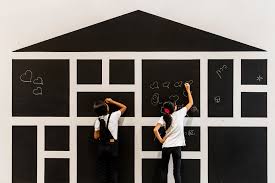
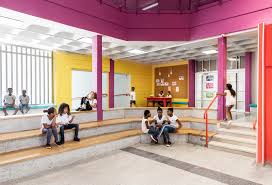
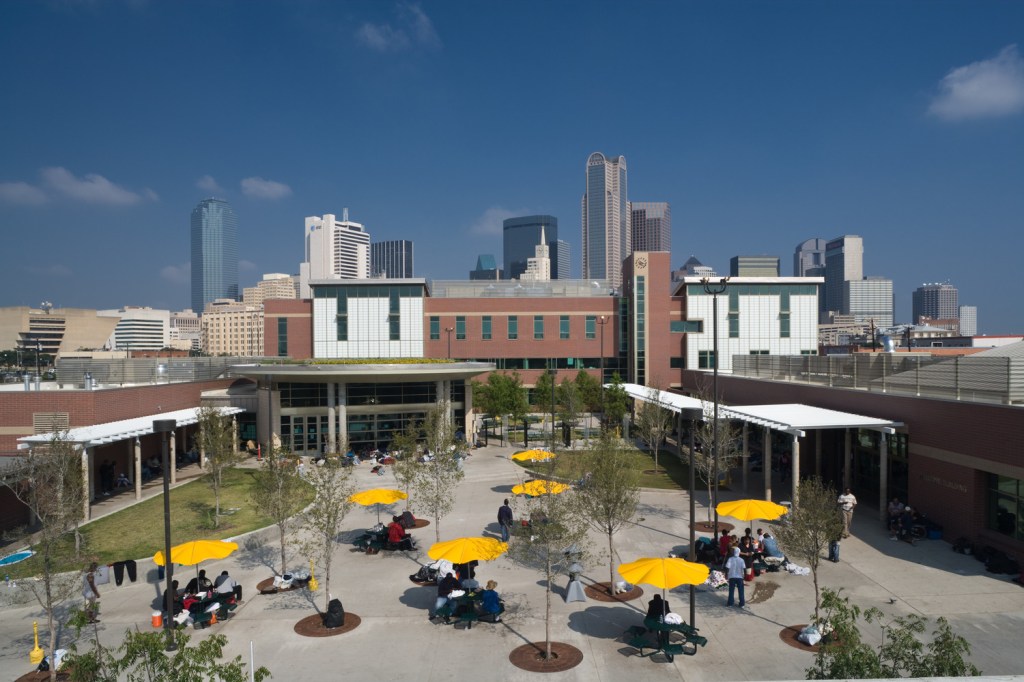
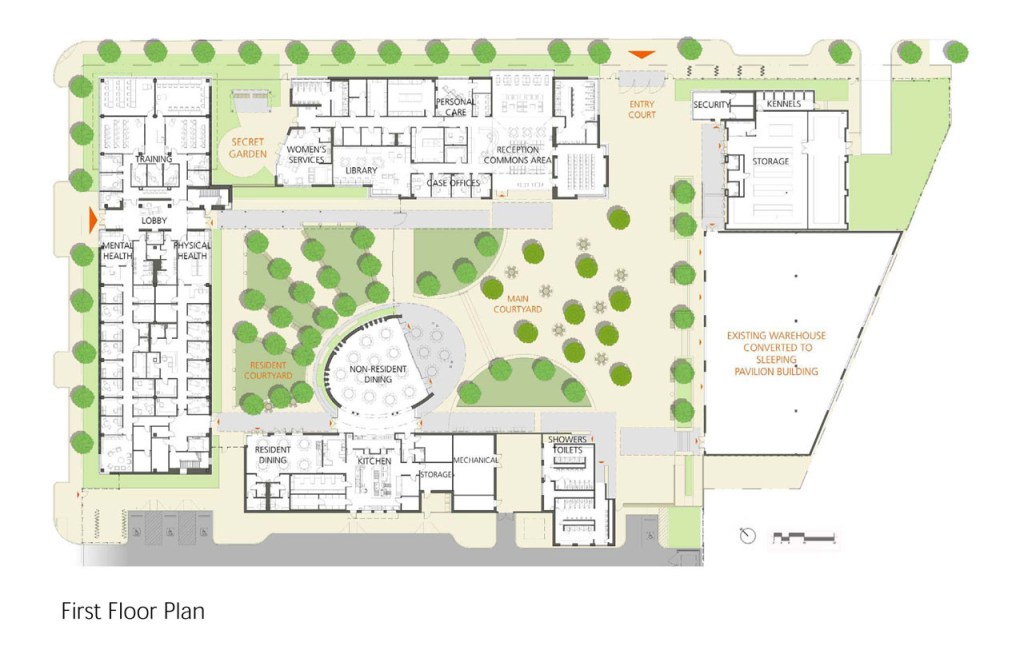
In nearly every city in the United States, homelessness is an issue that can be seen every day. The Bridge Homeless Assistance Center in Dallas, Texas seeks to attack this problem head on, providing a plethora of services for the city’s homeless population. Constructed in 2010, the center has won “Best Architectural Entry” in the International Rebranding Homelessness Competition as well as a multitude of other recognitions. When planned, the site was meant to do far more than simply mask the issue of homelessness; The designers sought to make this downtown site a point of pride in the community.
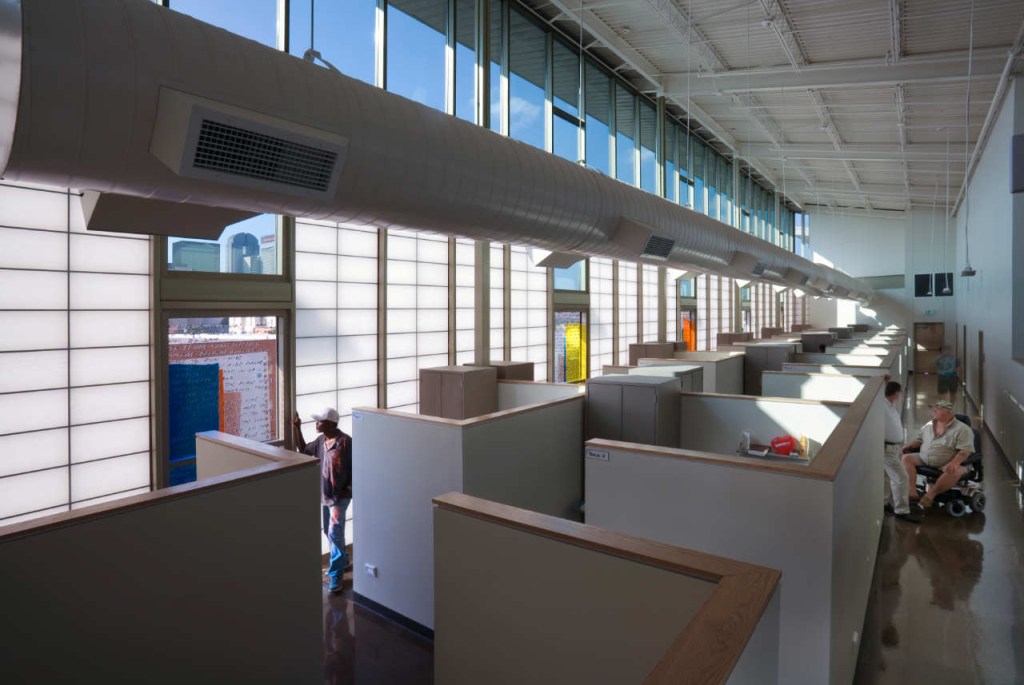
The center houses 76,000 square feet, including five buildings enclosing a large courtyard. Throughout the grounds, homeless people are presented a broad selection of resources ranging from dining and shelter to mental health and training services. Open 24 hours a day and 365 days a year, the Center services over 1,200 homeless people every day, providing them everything from food to advising services in hopes to find them permanent employment and housing. Along with the clear impact on their homeless population, the center seems to have affected the surrounding community as well, as crime in the immediate area dropped by 20% since its opening.
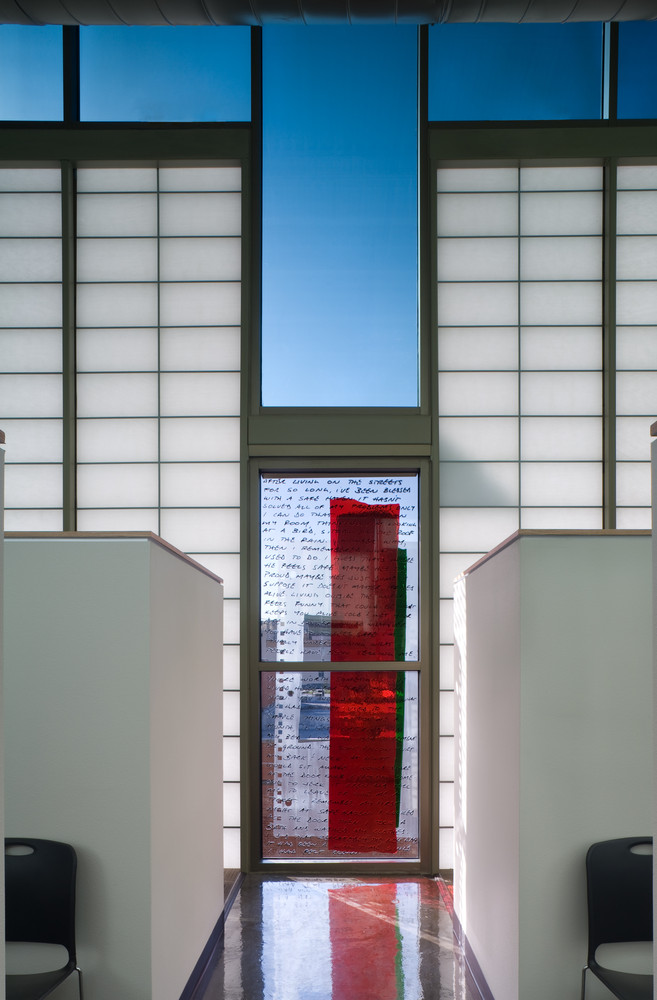
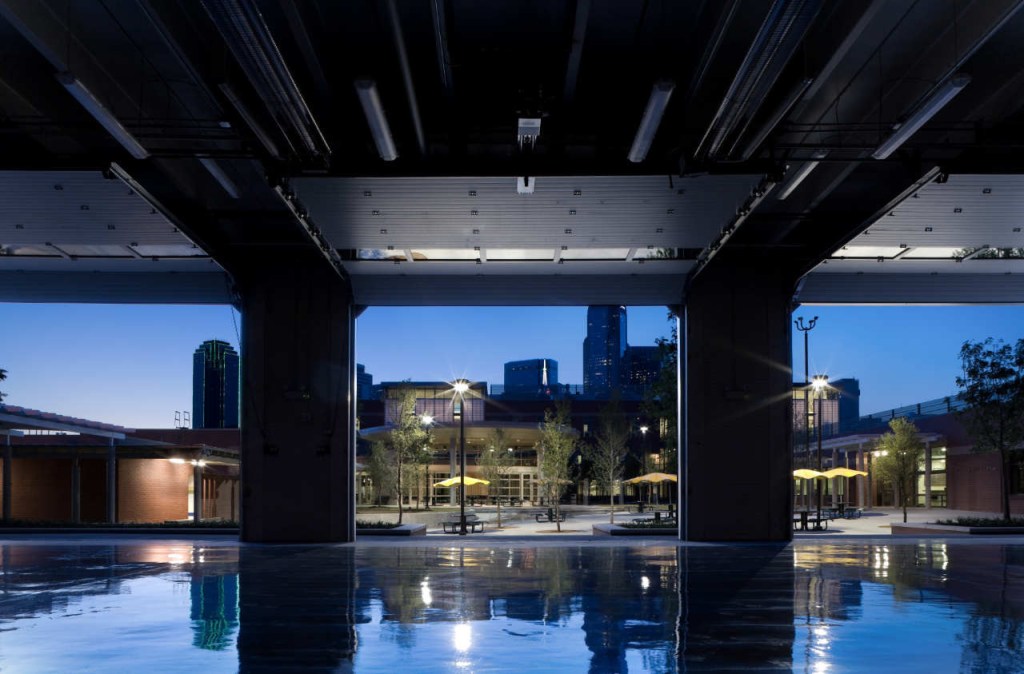
While the services and space to create this change could have been housed in any average building, Overland Architects utilized a sleek, open design to fulfill the project’s needs while elevating the aesthetic of the downtown area. The architecture seeks to create a sense of community by providing a courtyard at the center of the complex. This campus style design fulfills the need to be open yet protected in order to create a comfortable place for those it serves. The inclusion of translucent exteriors serves a dual purpose. During the day, it allows natural light to illuminate the interiors, which range from sleeping spaces to offices. At night, it allows the building to act as a beacon for the homeless in the area, especially in the case of the dining hall’s design. As Crawford states, the uniformity and design of a building can serve to alienate the social group it houses. In order to avoid this, the overall design breaks from the institutional aesthetic that typical shelters embody. By providing an aesthetic that is sleek and inviting, the designers also hoped to create a center that the community could be proud of. They succeeded in doing so, as, according to the Chairman of the Metro Dallas Homeless Alliance, businesses that once resisted the plans for the center recognized it as “the best thing that has happened to the neighborhood.”
Today, over half a million people in the US are homeless. Centers like these drastically help to provide the support necessary to give these people a chance to change their lives. When designed properly, they can touch many more lives, not just in the homeless population but in the rest of the community as well.
https://www.archdaily.com/115040/the-bridge-homeless-assistance-center-overland-partners
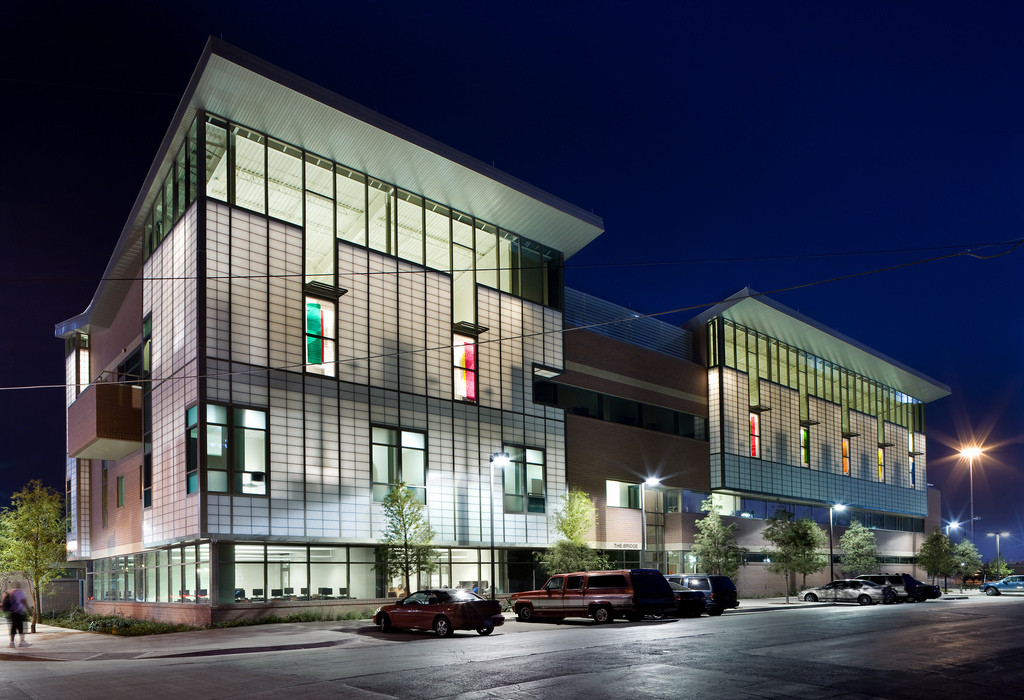
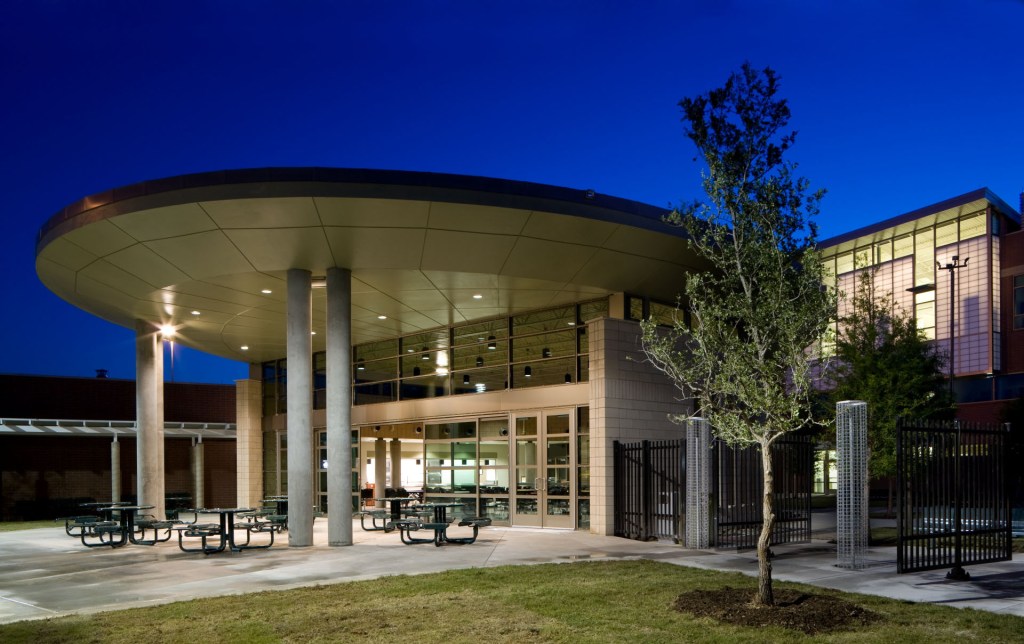
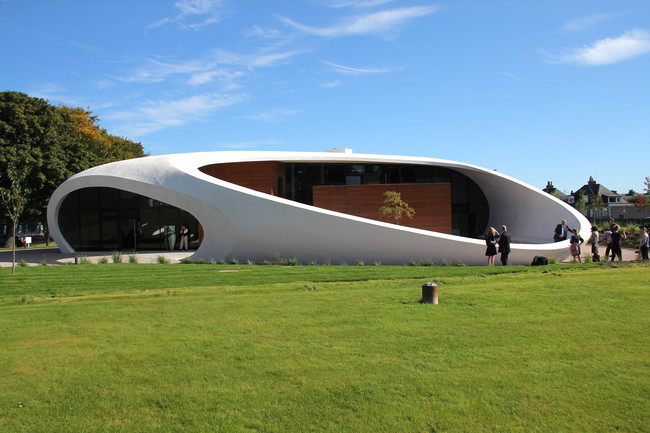
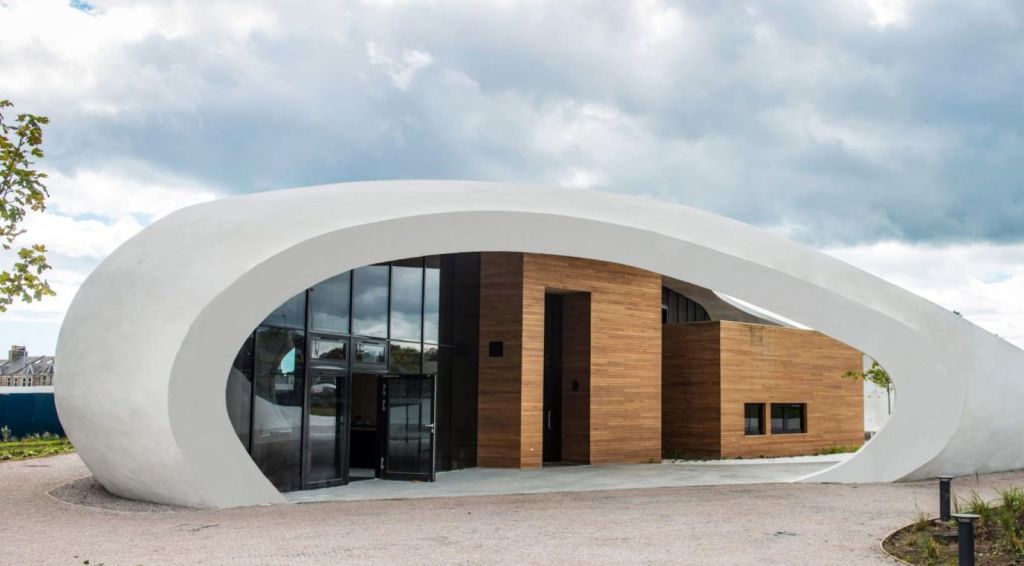
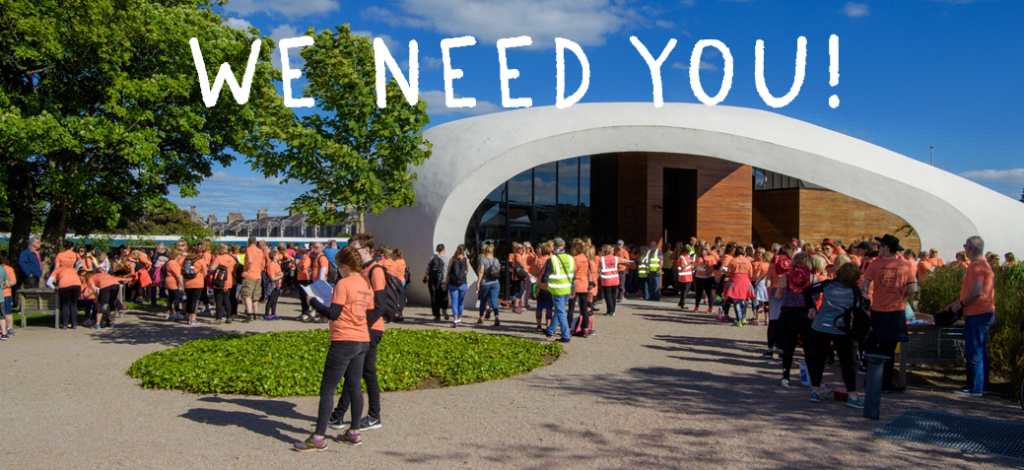
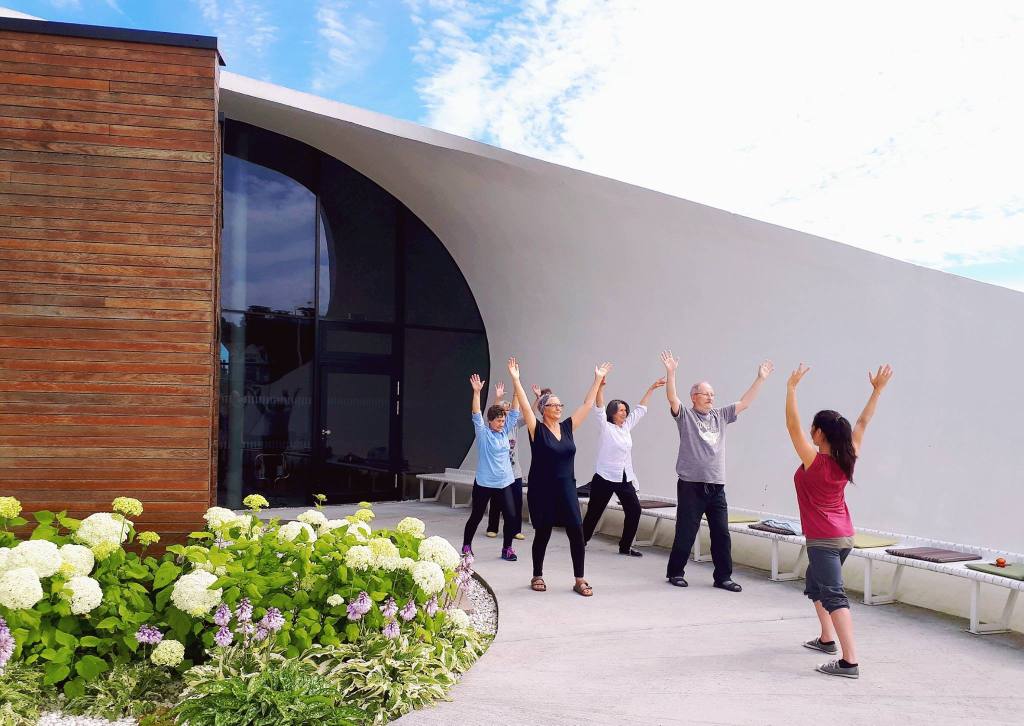
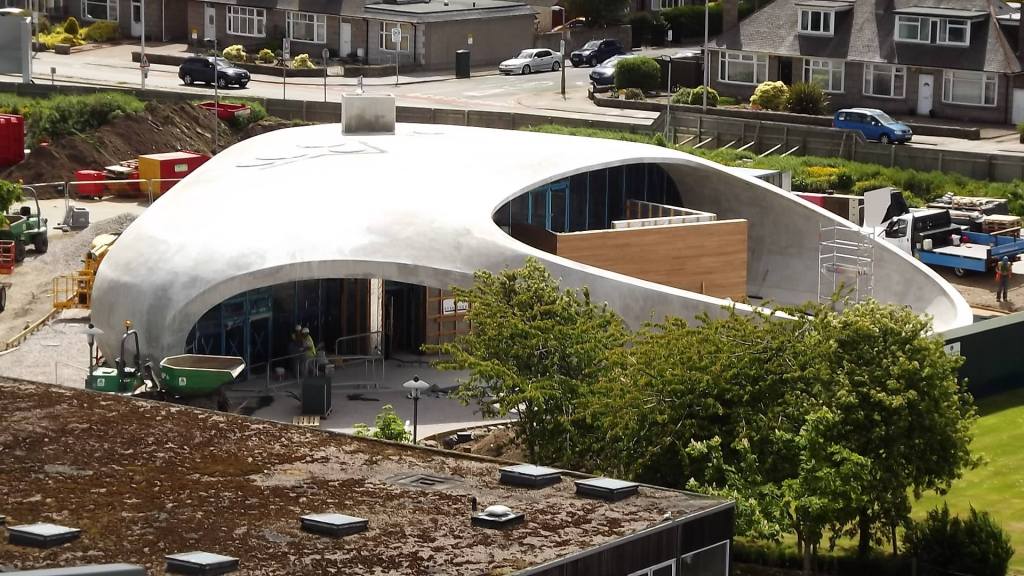
Maggie’s is a charitable organization which runs a number of centers, mostly in the UK, but also abroad, to help people with cancer. It does not intend to replace conventional cancer care, but instead supplement it by providing a place where cancer patients can access emotional support as well as help with any issues they run into because of their conditions.
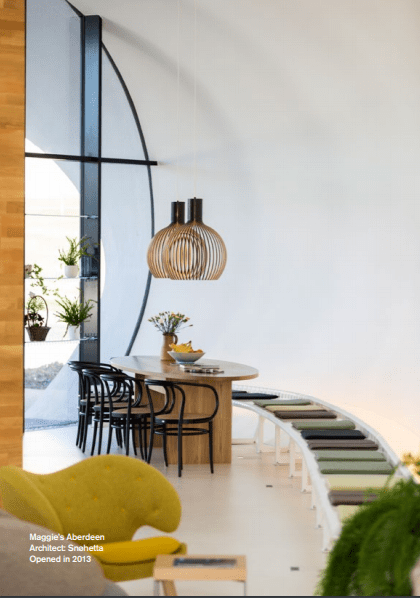
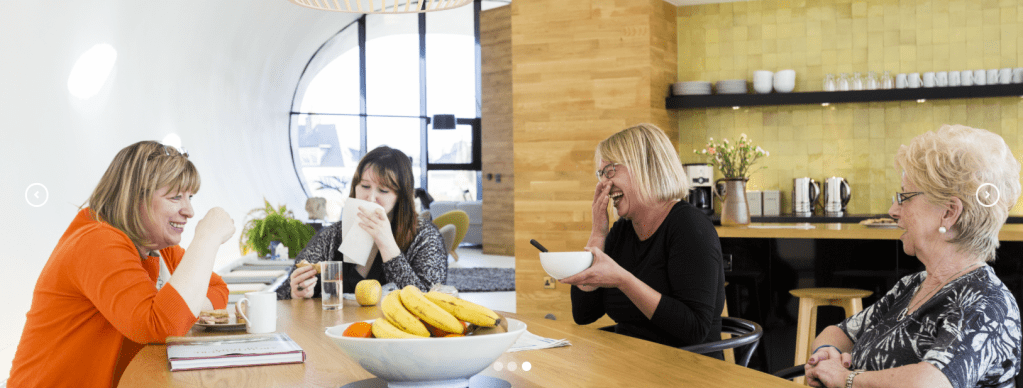
Services each center provides range from group exercise, yoga, and nutritional advice to psychologists to financial help (such as claiming benefits they are entitled to due to loss of work, etc.). Though all of this practical advice and services are free, Maggie’s stresses that one of their most important goals is to be a welcoming, worry free place where people facing similar problems can socialize and relax, and testimonials even describe it as a second home. Architecture plays no small part in this: though the centers are built near hospitals, they are meant to fit into their surroundings and feel like a home, not a hospital. The co-founder, Maggie Keswick Jencks, stated, “thoughtful lighting, a view to trees, birds and sky” were essential to healing. In addition to thoughtful lighting and views of nature, each center has a table in the center of the kitchen as a community meeting point as well as private spaces for intimate conversations and relaxation. The centers also have thoughtfully planned gardens for the patients to enjoy outside.
This particular Maggie’s Center is Maggie’s Aberdeen, by Snøhetta, and features a beautiful white shell forming the roof and some of the walls of the structure, with a double-story curtain window and timber construction filling the inside of the shell to complete the construction.
Sources: maggies.org, https://en.wikipedia.org/wiki/Maggie%27s_Centres
‘Social Balconies’
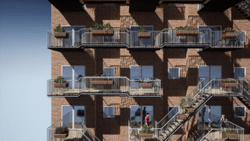
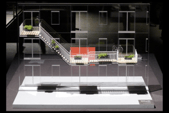
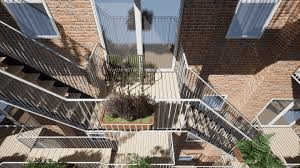
Social Balconies:
Designer/Architect: Edwin van Capelleveen
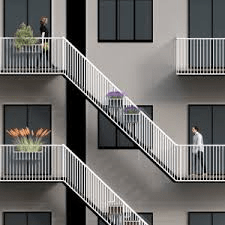
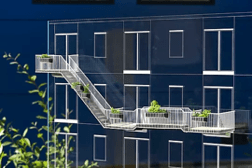
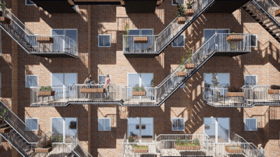
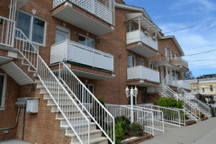
Social Balconies are designed as a way for you to communicate more easily with those living around you. Our society has many boundaries that have been put in place and as a result, many of us do not have a close relationship with our neighbors. Combatting social isolation is a frequently discussed topic in this day and age. People are more and more obsessed with their phones and spend more time online than ever before. We share less direct communication with each other.
The Dutch designer Edwin van Capelleveen created this project as a way for residents in apartment buildings and condos to get to know their neighbors more. Capelleveen was inspired by the idea of communal gardens where people can relax, share a meal and grow a garden with their neighbors and community. Balconies, which are rarely used, are often times only utilized for hanging laundry or for storage. The designer believes this is a practical social solution and it could be easily applied to most buildings.
While I can see the attraction to having a connected balcony to someone if you are friends with them, I do think it would be a bit uncomfortable initially.
But the point of this architecture is to encourage people to get out of their comfort zone and share a space with the people living around them. Social Isolation, similar to physical inactivity and smoking is a leading cause of preventable death in the world. Social Isolation is on the increase and it is important that as a society we look out for one another and having Social Balconies could be a solution to that.
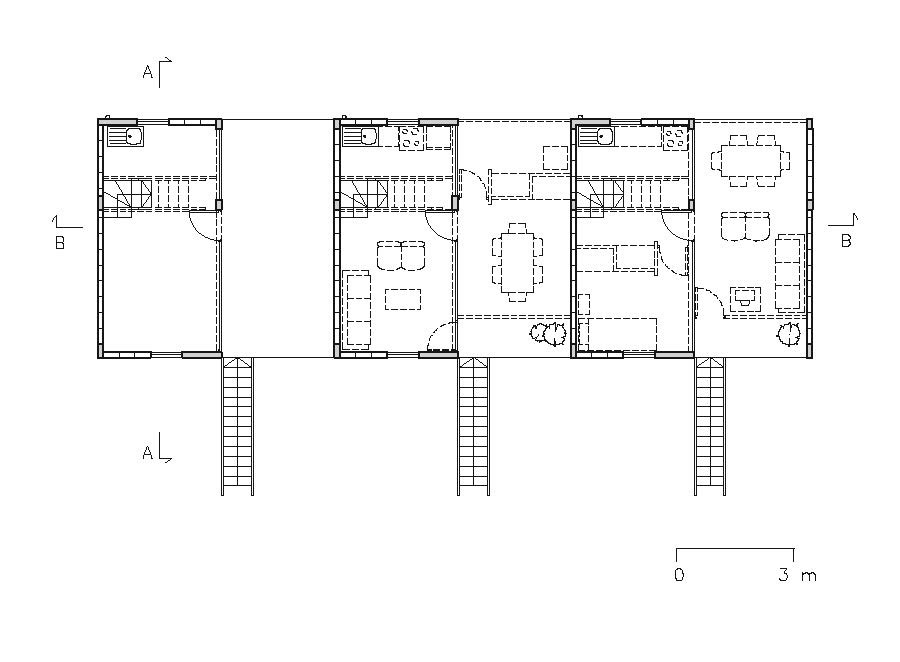
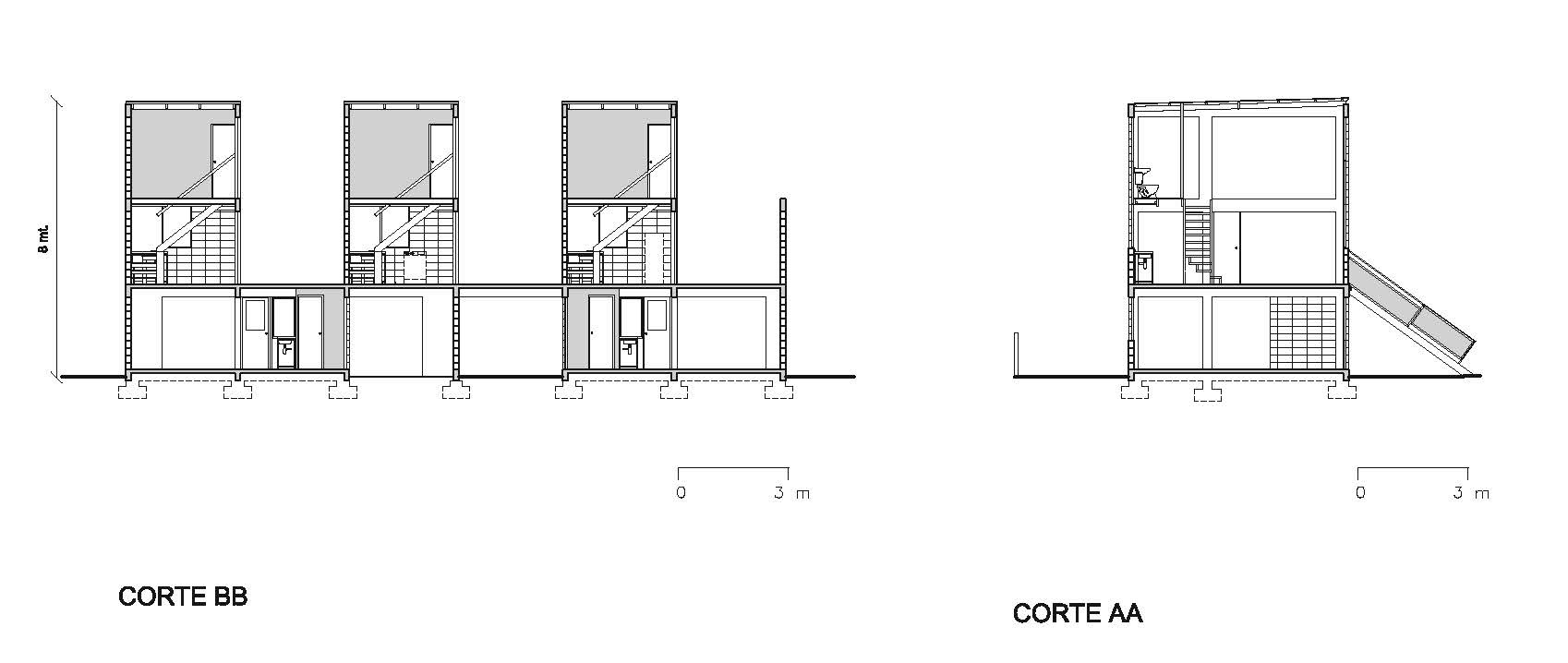
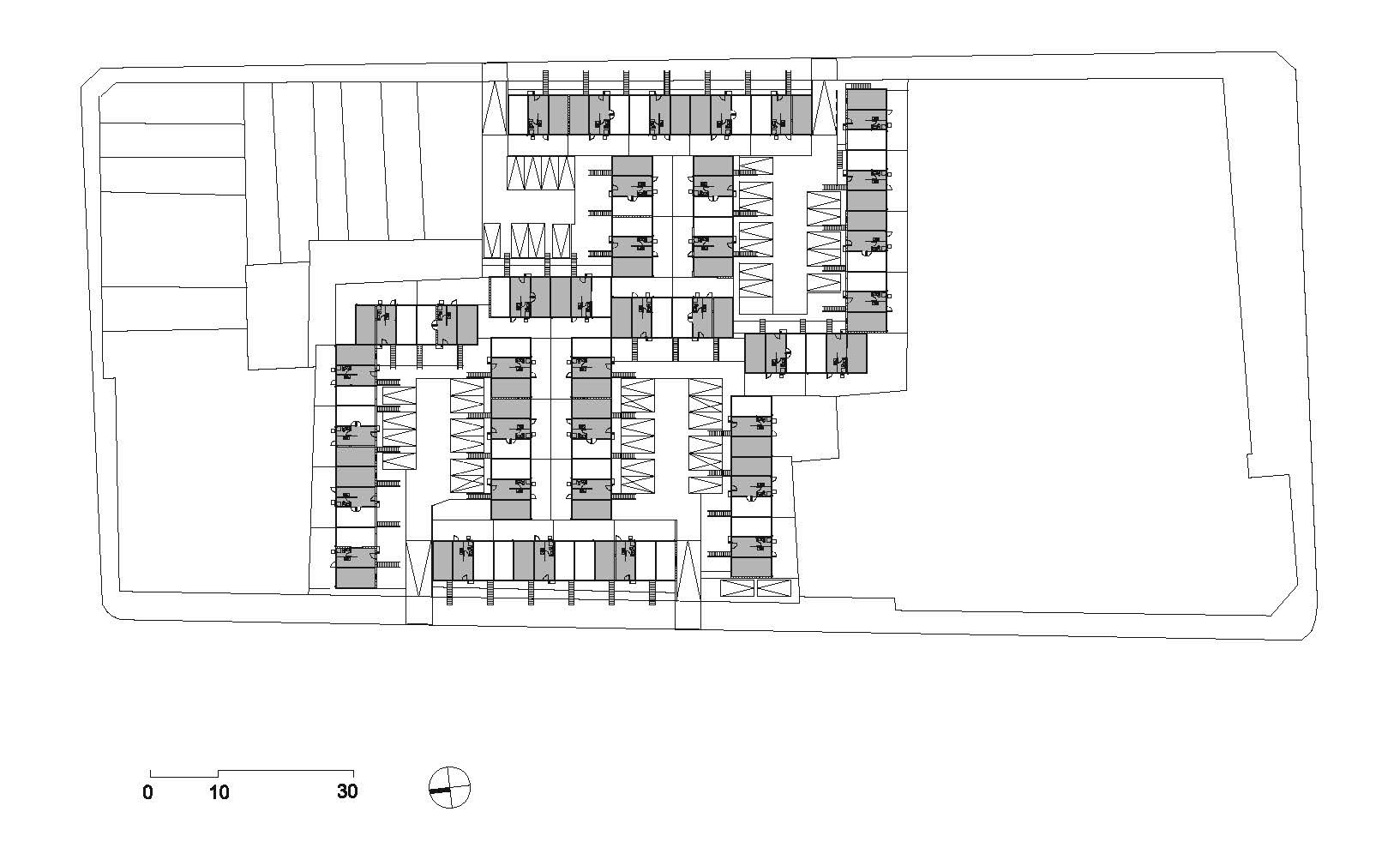
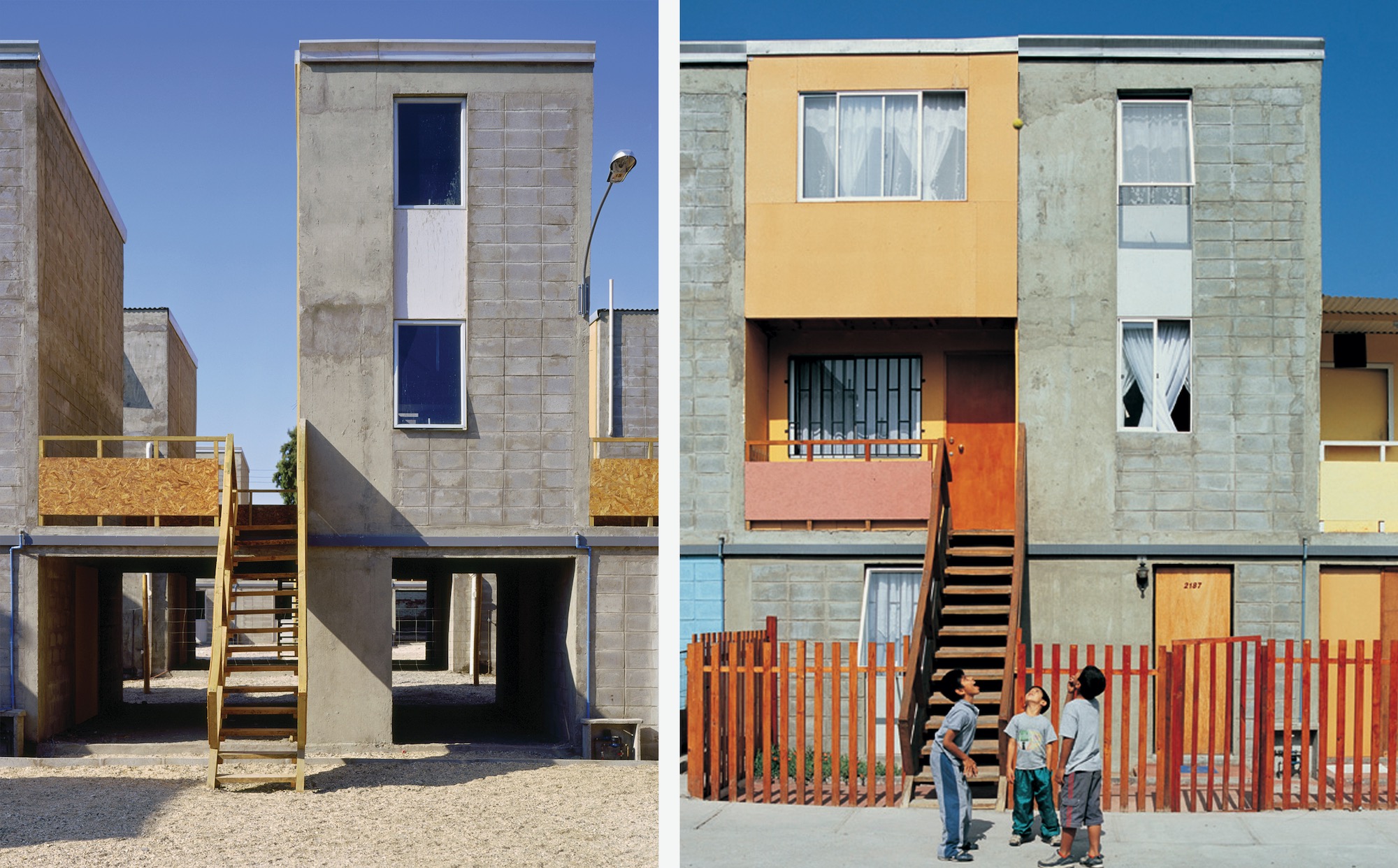
The project I chose was the Quinta Monroy designed by Alejandro Aravena. Aravena was featured in the film Urbanized, as the architect and designer for low income housing in Iquique Chile. The main goal of this project was to provide housing for people previously living in makeshift slums without sacrificing a good location. Quinta Monroy explores the idea of expansion architecture and applies it to the social issues of poverty and overpopulation. The project essentially is to build half a house that can comfortably suit a family, but can also be expanded upon in terms of both space and functionality. Elemental, the firm headed by Aravena, built the more challenging structural parts of the house, and allowed the families to construct the rest of the house as they were able to afford more amenities and as their needs changed. While Urbanized doesn’t mention this specific project, they give the example of being able to afford only a water heater or a bathtub. Many of the architects assumed that families would prefer a water heater, but the families themselves preferred a bathtub. This idea of “participatory design” as the documentary puts it is important in providing people with a space they can inhabit and thrive in. This is an extremely creative and practical way to allow people to lift themselves out of poverty with a limited budget. Quinta Monroy provides cheap yet still aesthetically minimalist architecture through concrete and wood, all while addressing multiple social issues.


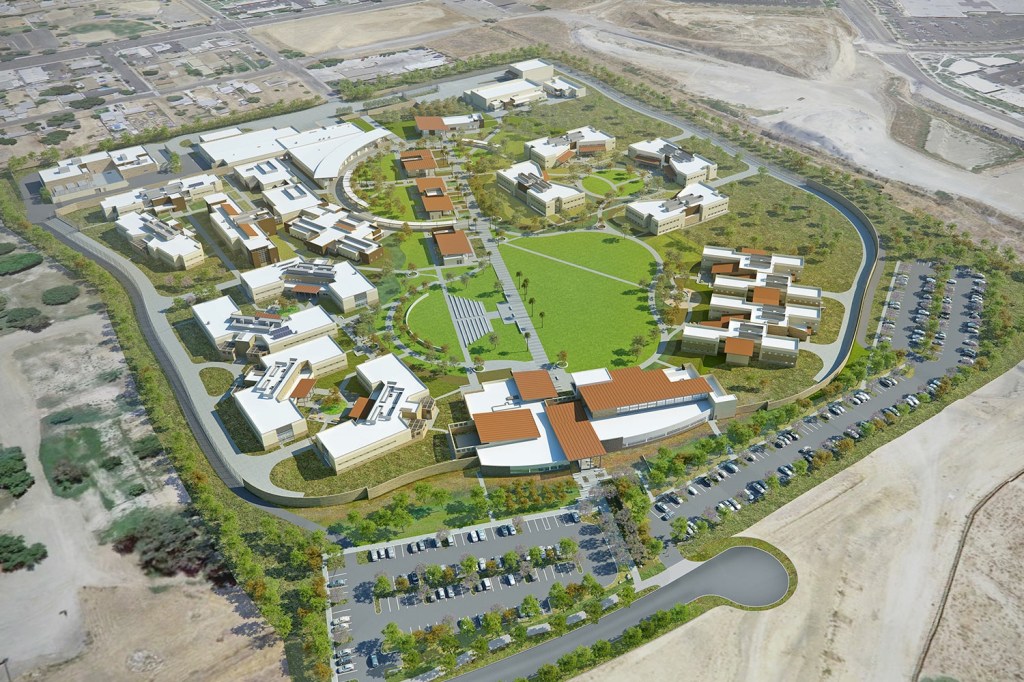
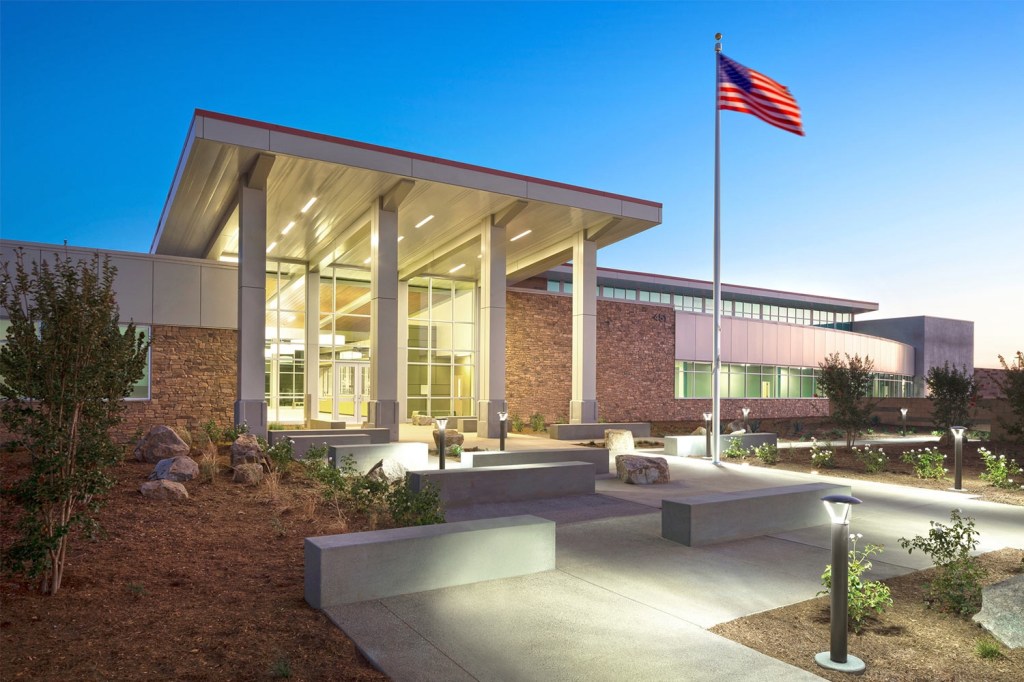
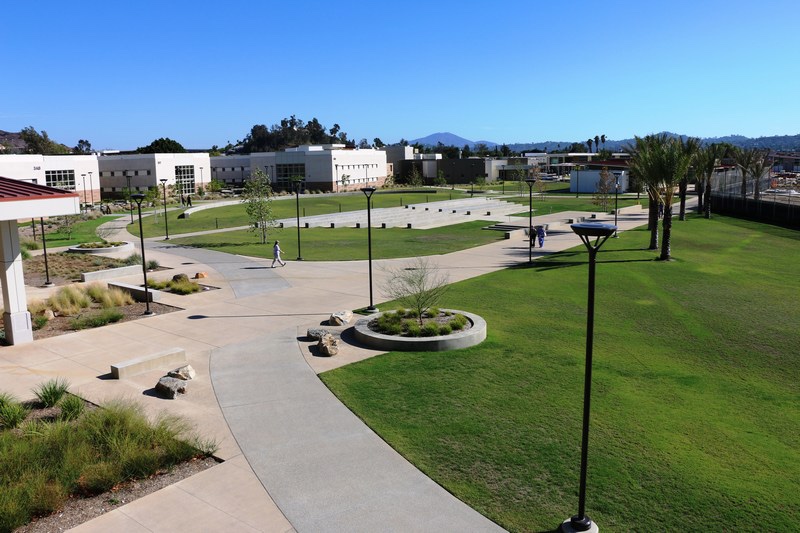
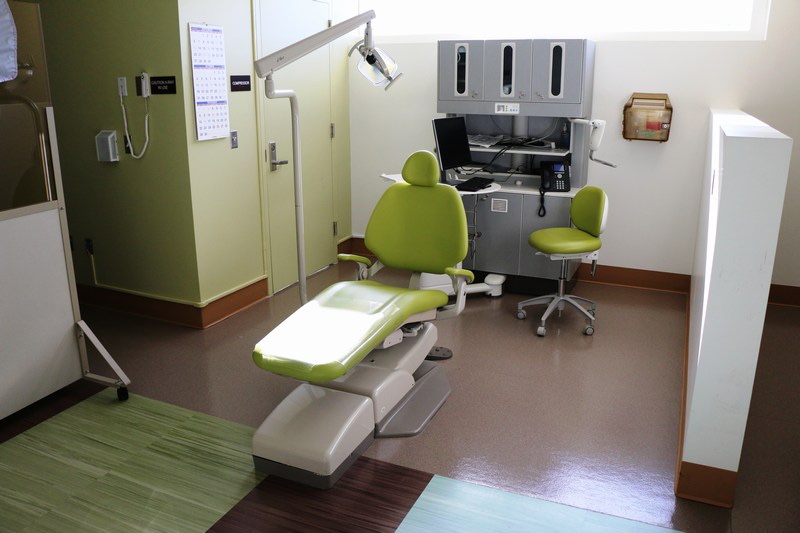
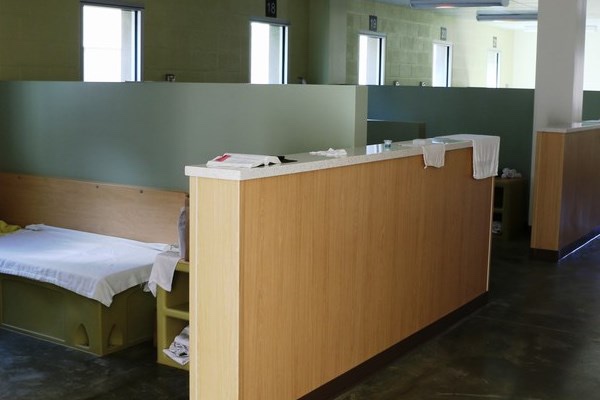
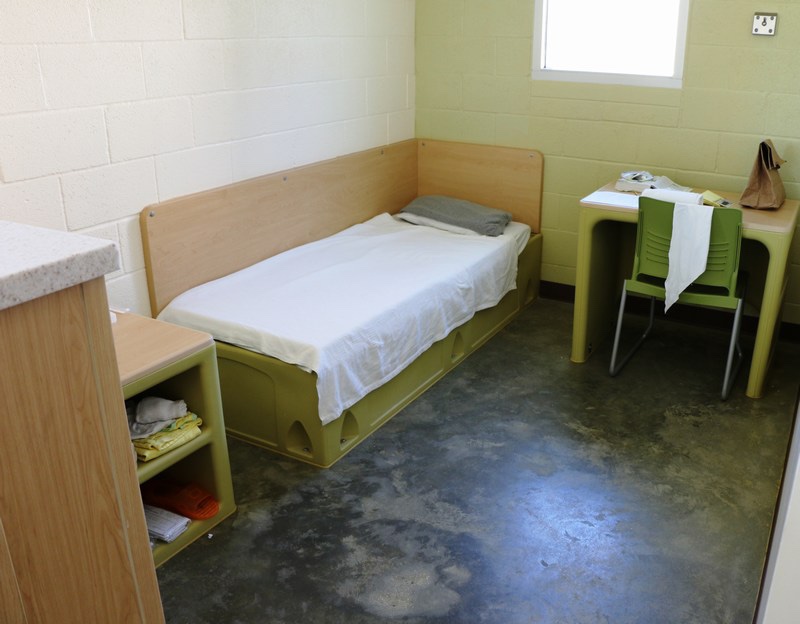
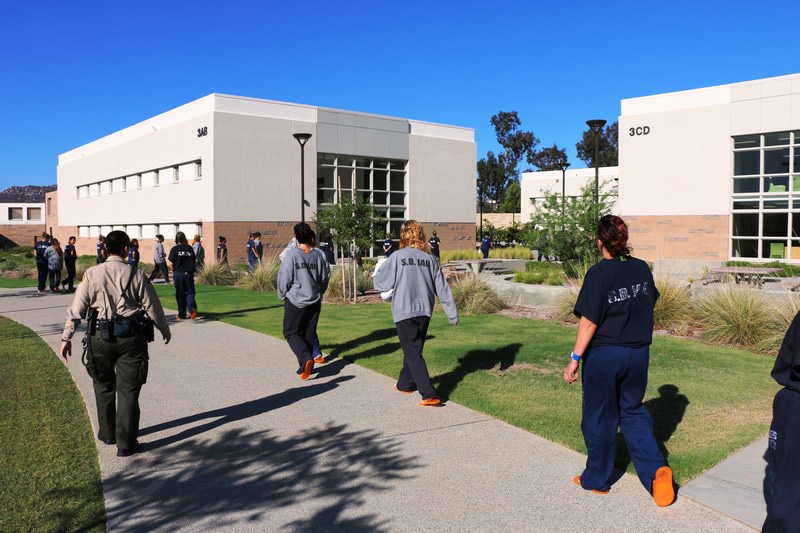
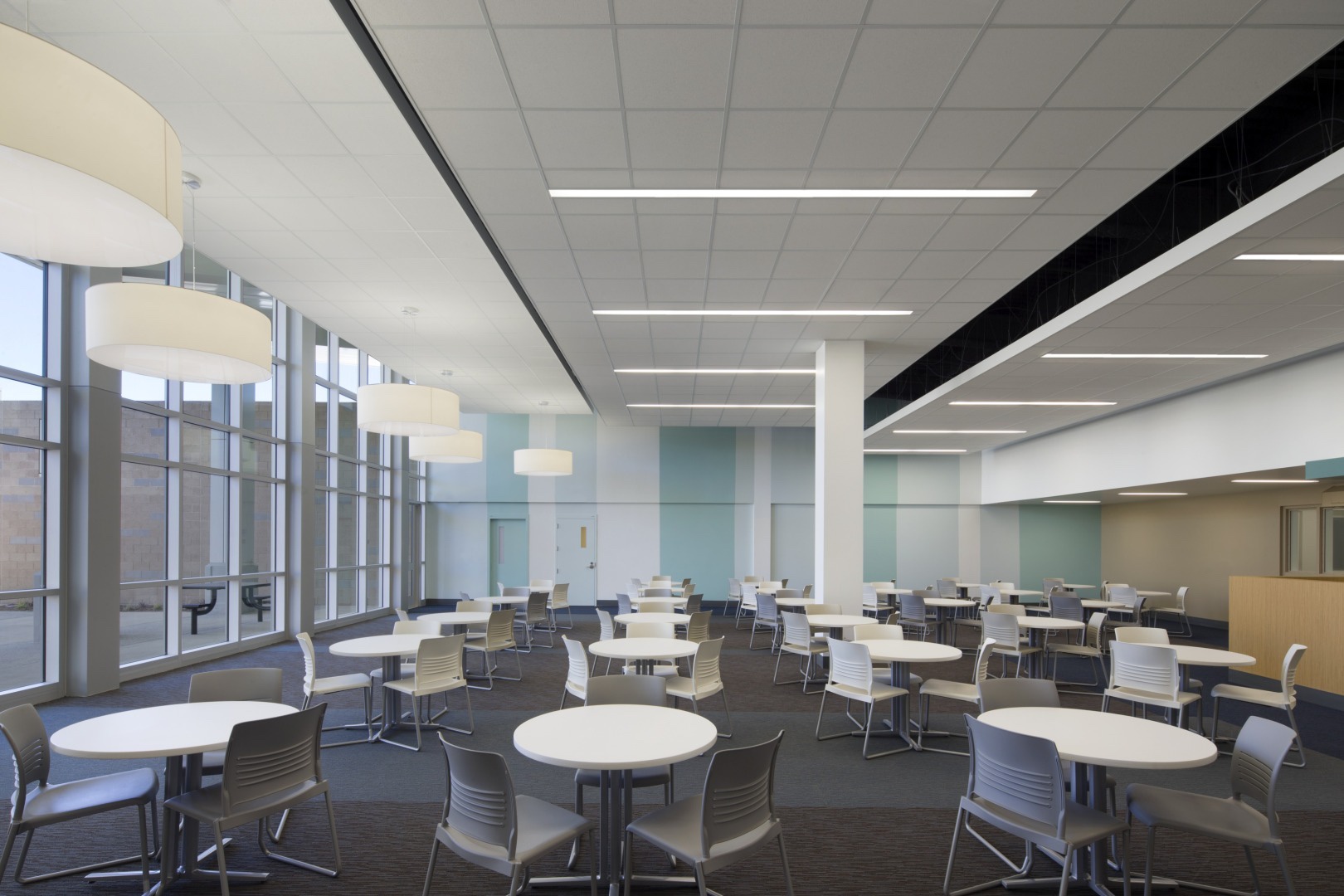
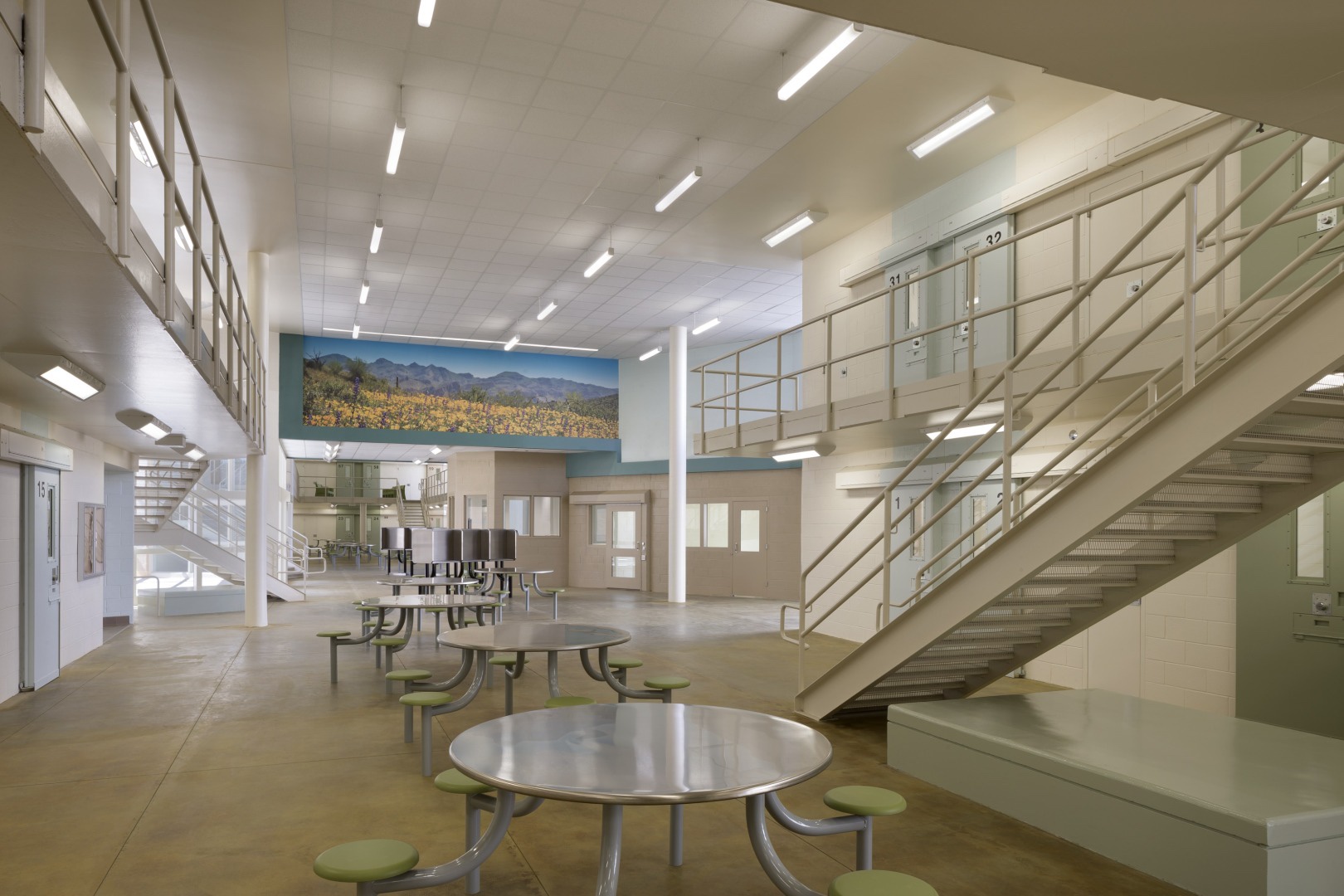
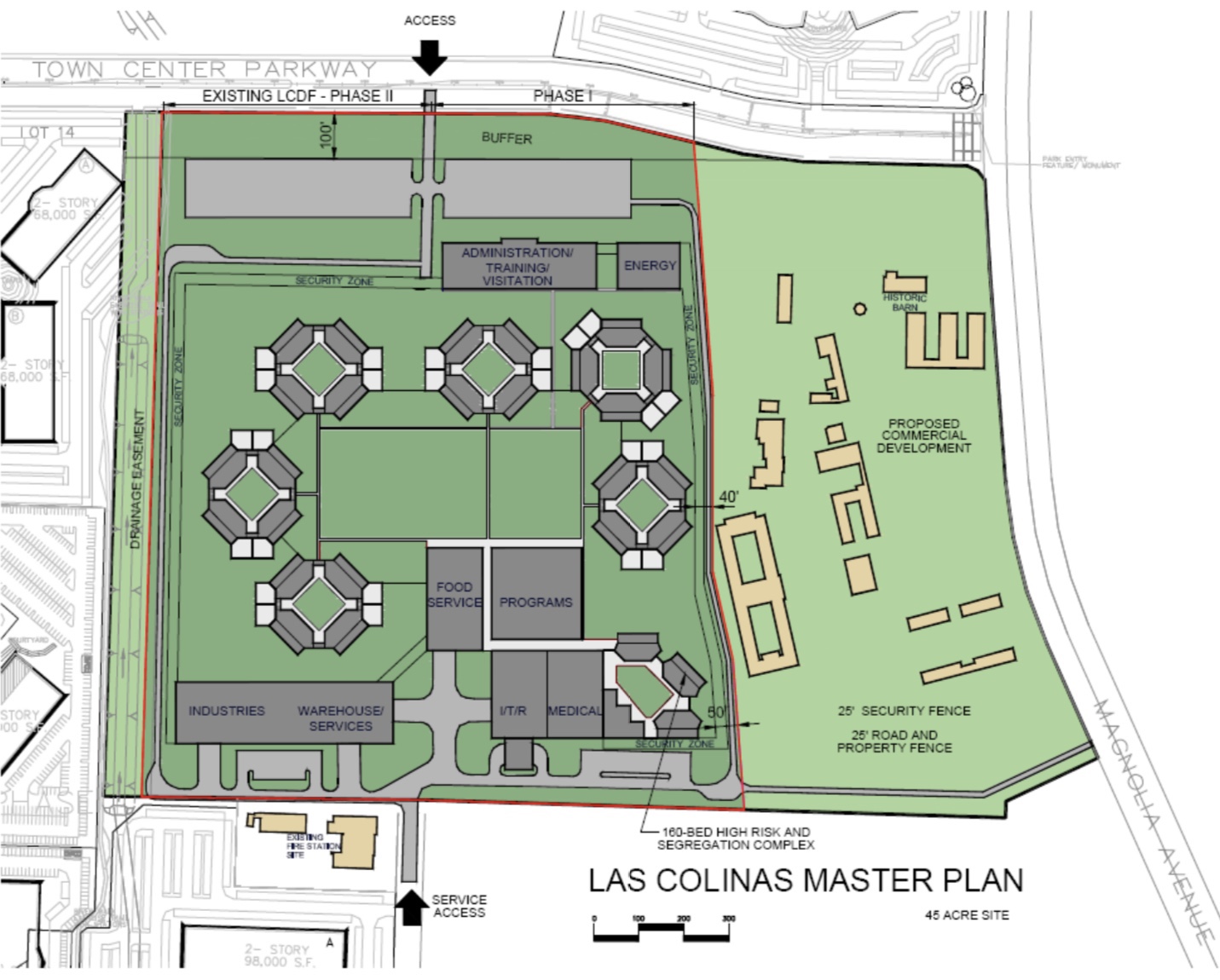
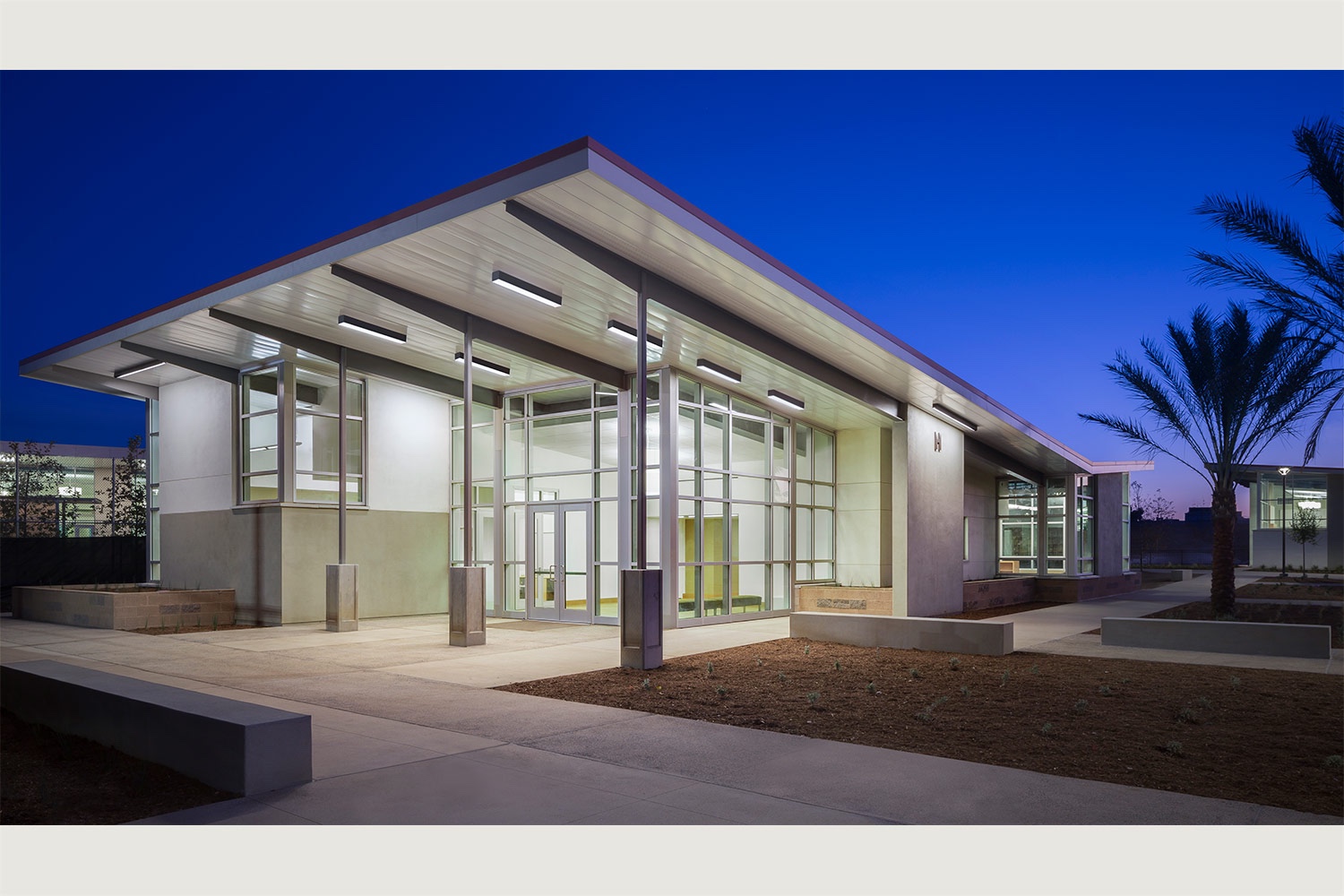
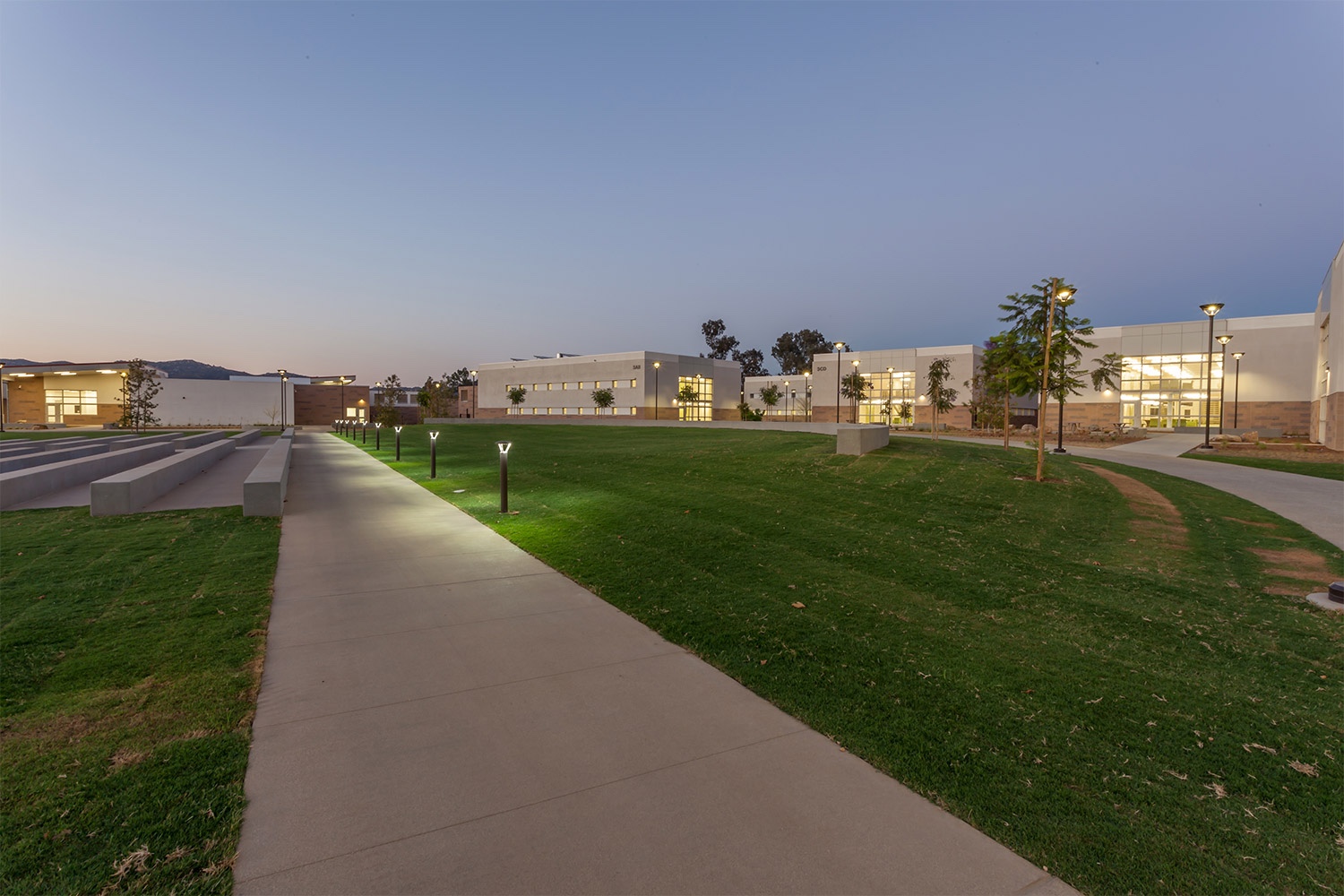
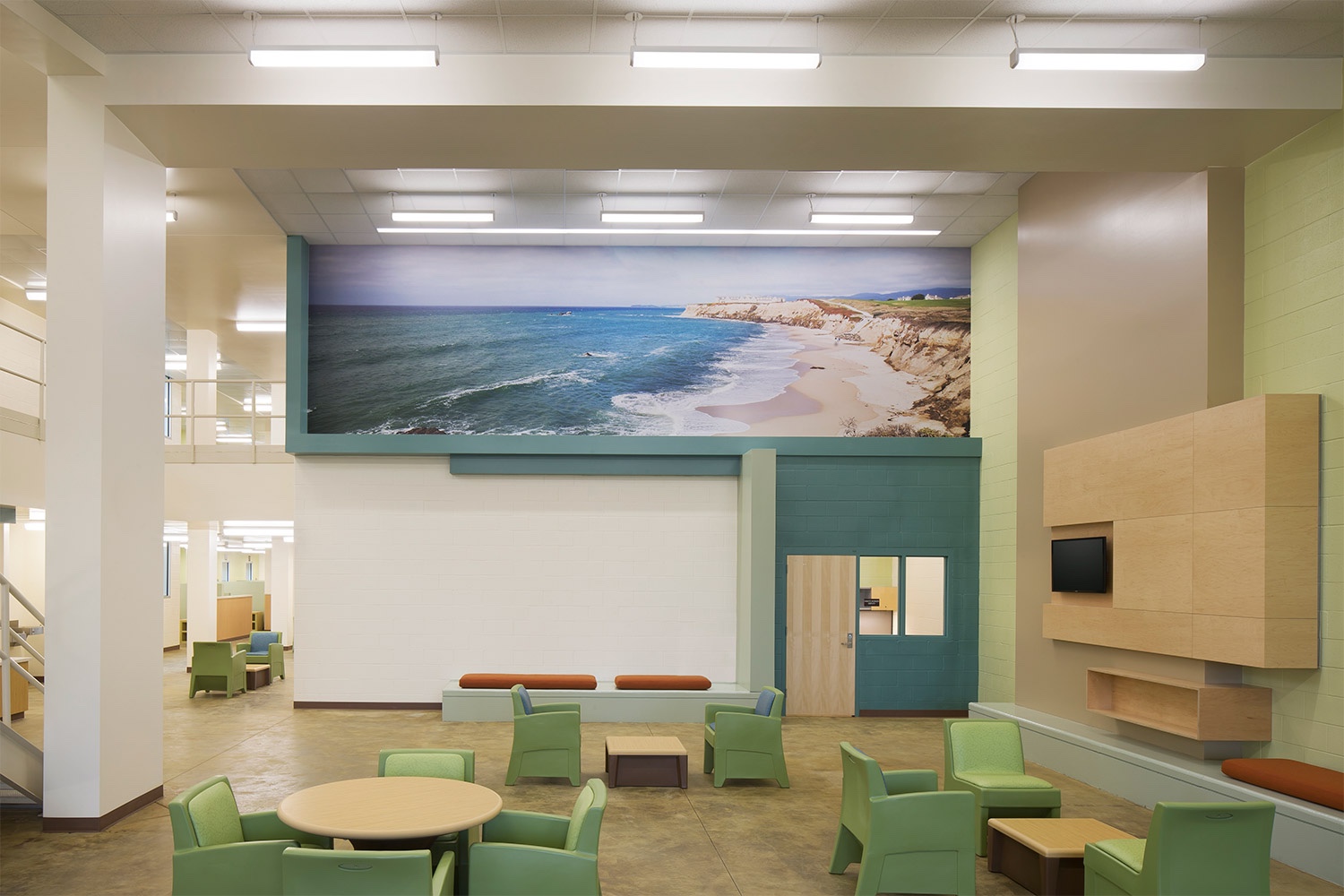
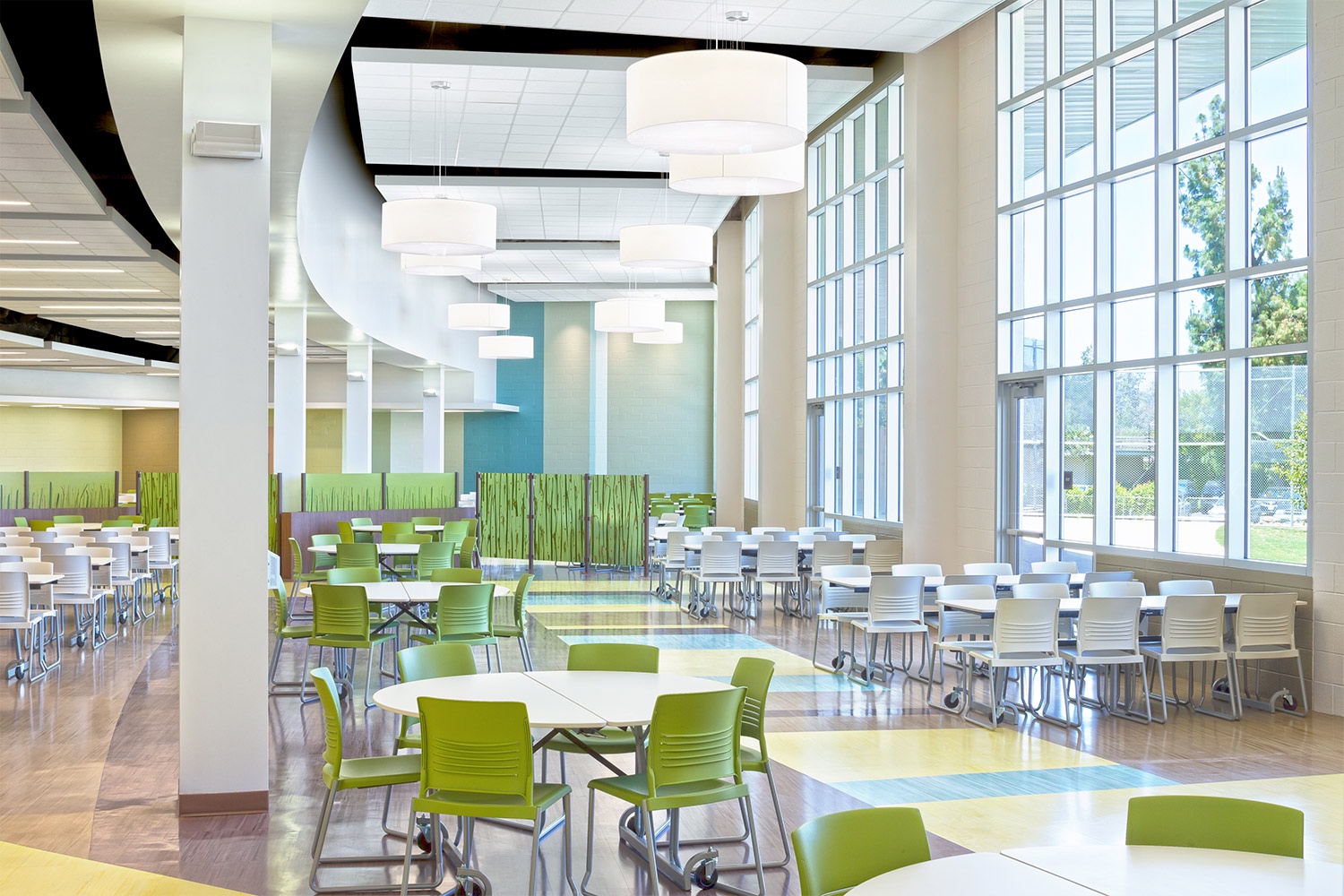
This is a women’s prison in San Diego, California built in 2016 by HMC Architects. The 45- acre campus houses over 1,200 inmates ranging from low to maximum security, and is adjacent to a residential neighborhood. This example addresses the issue of prison reform. The architecture of this prison articulates a change in mindset and perspective. Its not just the architecture that makes this prison exemplary, its the objective behind the architectural choices. The intention behind this project was to create a comfortable space reminiscent of a college campus or community center. The hope was that this architecture would reduce violence, mental health issues, and recidivism, and encourage personal growth, health, and safety.
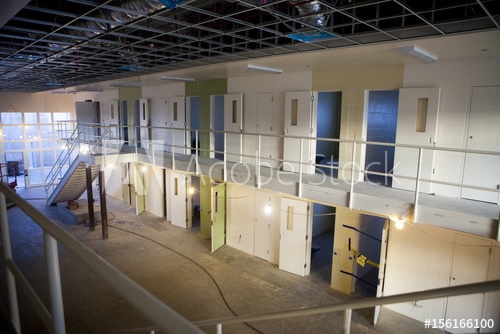
The removal of physical boundaries, a picturesque color pallet, incorporation of natural light, and socially-encouraging design have shown to have overwhelmingly positive impacts on prisoners. The architecture encourages community, personal development, and comfort. Designated buildings and spaces for classrooms, sport and exercise facilities, courtyards, free walking paths, religious spaces, and various amenities help encourage good behavior and freedom. Thoughtful design features include direct hallways that eliminate the need for shackles when transferring high security inmates, guard stations at open desks rather than enclosed rooms, and courtyard-style configuration of cells. The barbed wire is hidden, there are no guard towers, and no bright lights. Many of the designs were controversial primarily because of safety concerns, however the environment has allowed for greater trust between guards and prisoners and fewer incidents.
The architecture of this prison is not as important as the environment created by the architecture. Crawford discusses how architects often become slaves to the countless demands of clients, and as a result the creativity and art is replaced with cheap alternatives, social and environmental irresponsibility, and carelessness. However, the example of The Las Colinas Prison actually allowed architects to be socially responsible, aesthetically-focused, with an emphasis on investment in order to play a part in creating a safer future. The architecture meets the needs of a prison, while serving the inmates and community, while also displaying pleasing architecture. This example is exemplary when it comes to prison reform, and hopefully more prison architecture adopts a similar perspective.
County Facilities Construction
https://www.kmdarchitects.com/las-colinas-detention
https://www.tetratech.com/en/projects/designing-for-rehabilitation-the-las-colinas-detention-and-
https://www.ozy.com/the-new-and-the-next/can-architecture-cure-crime/63328/
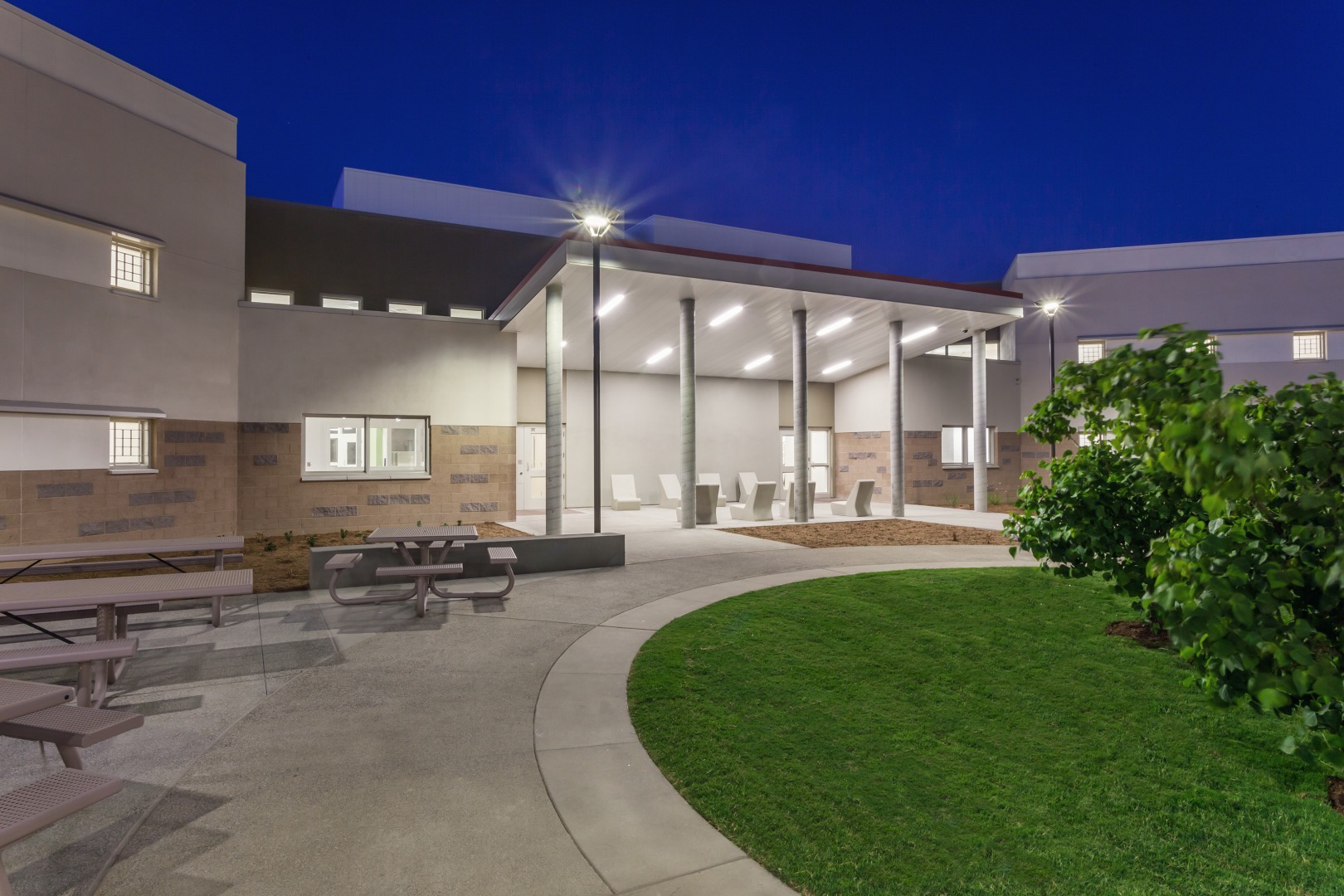
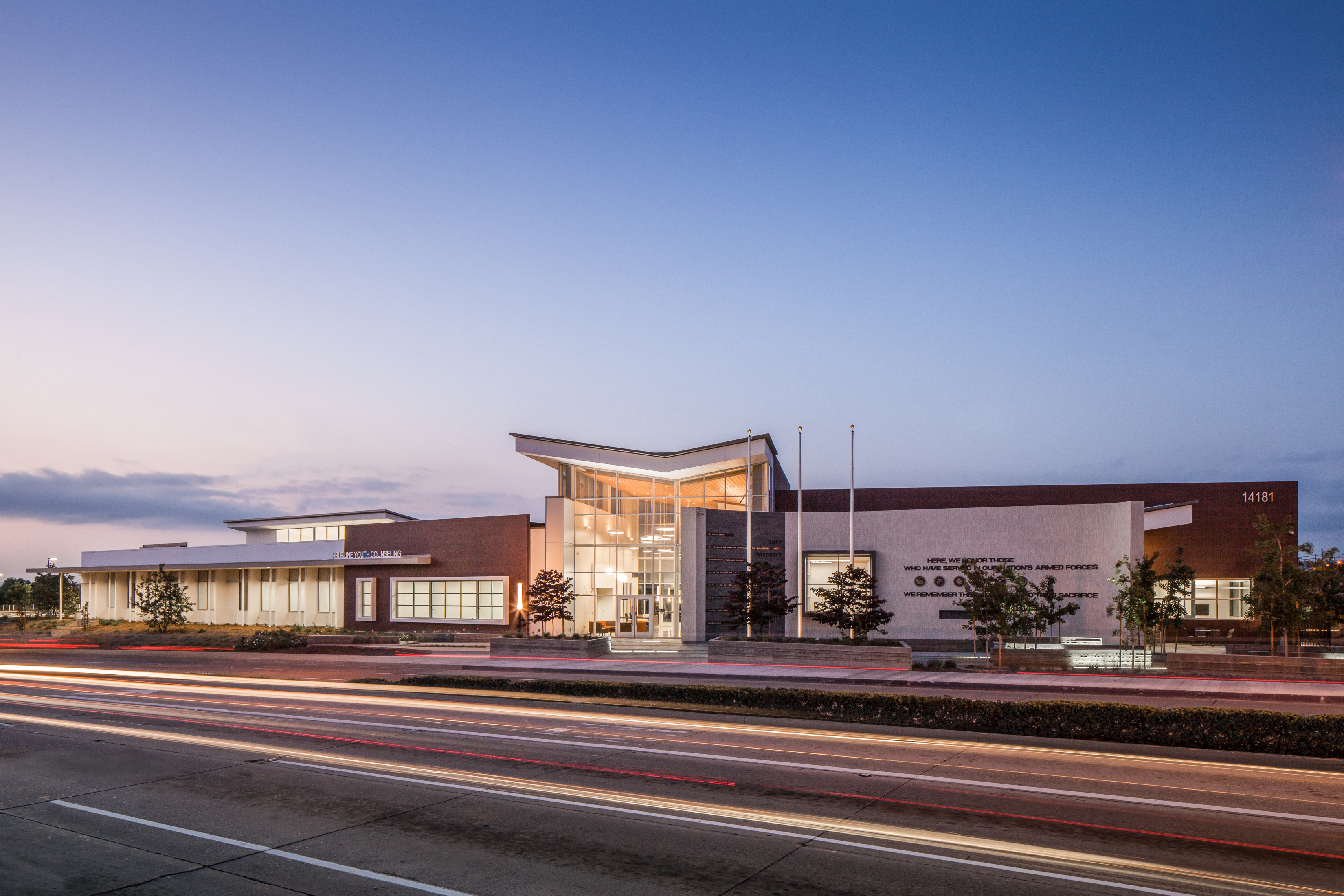
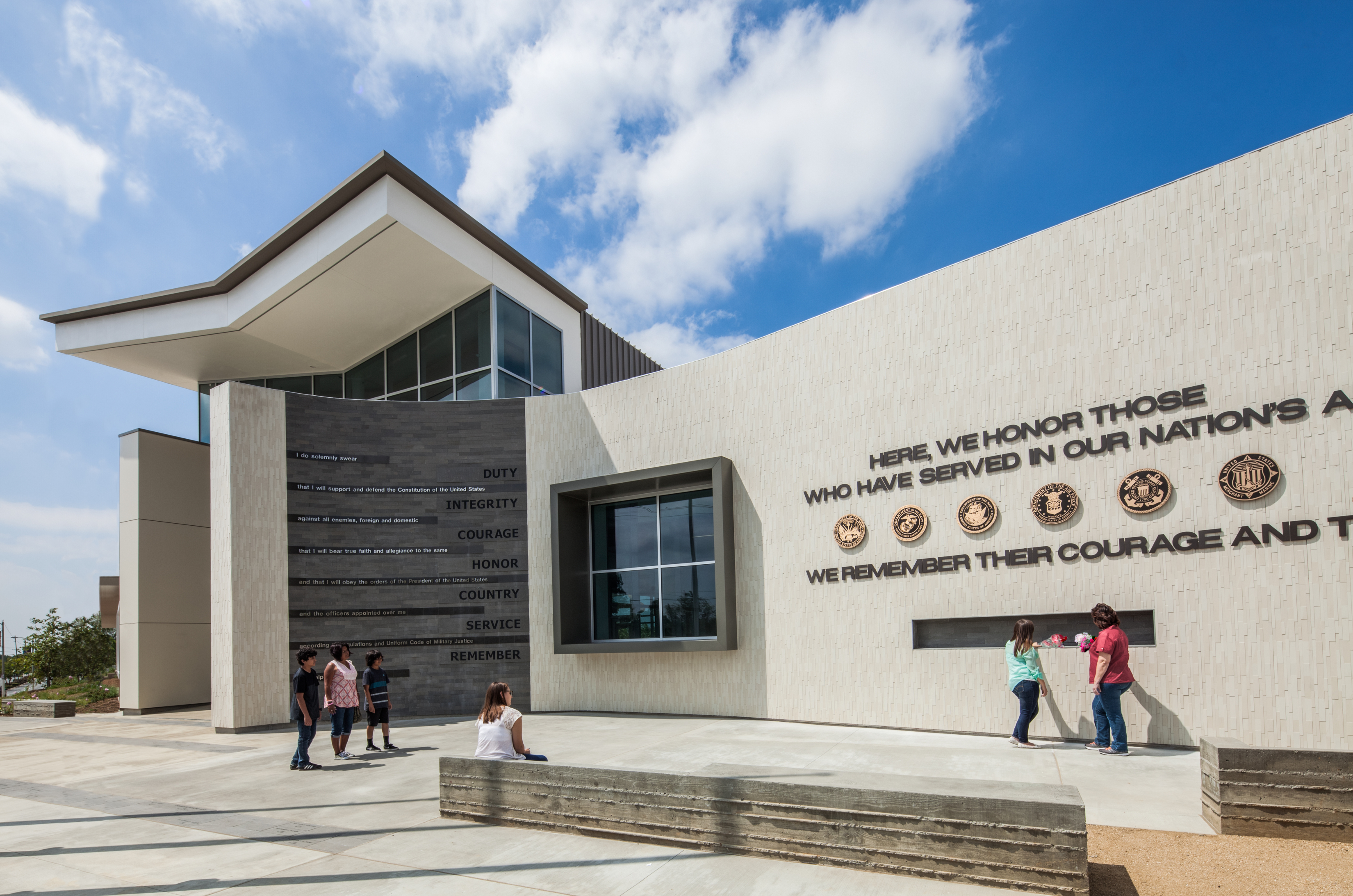
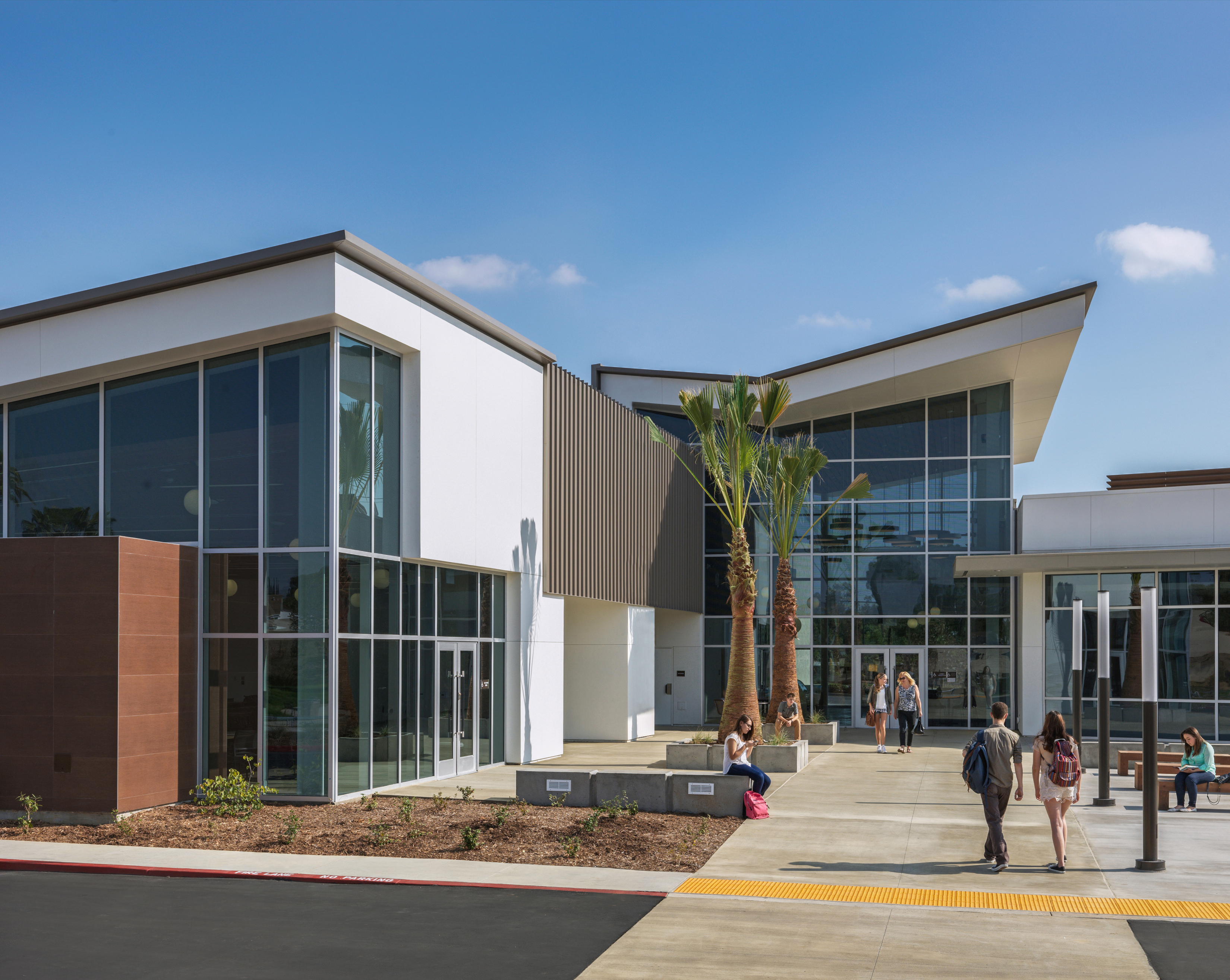
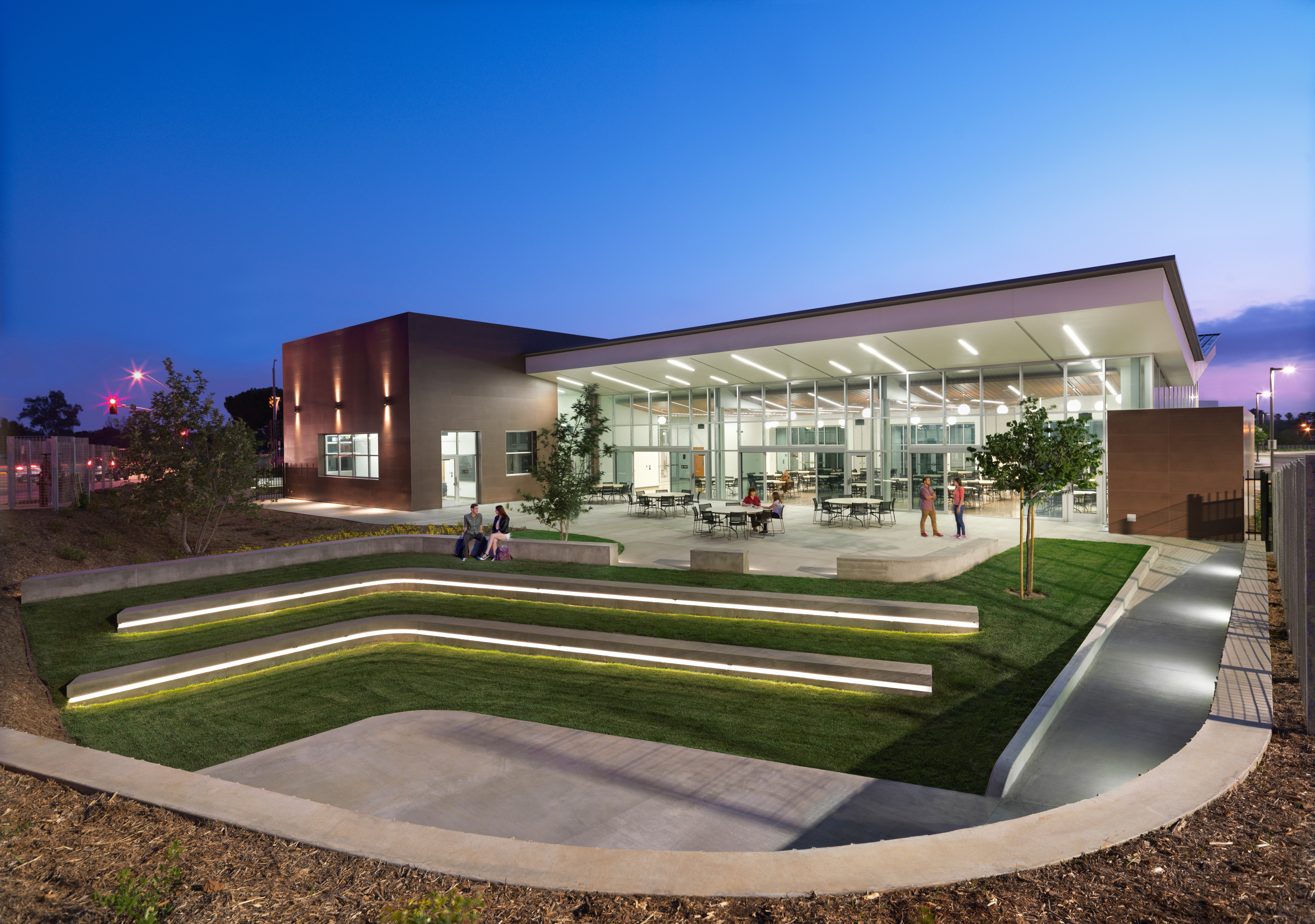
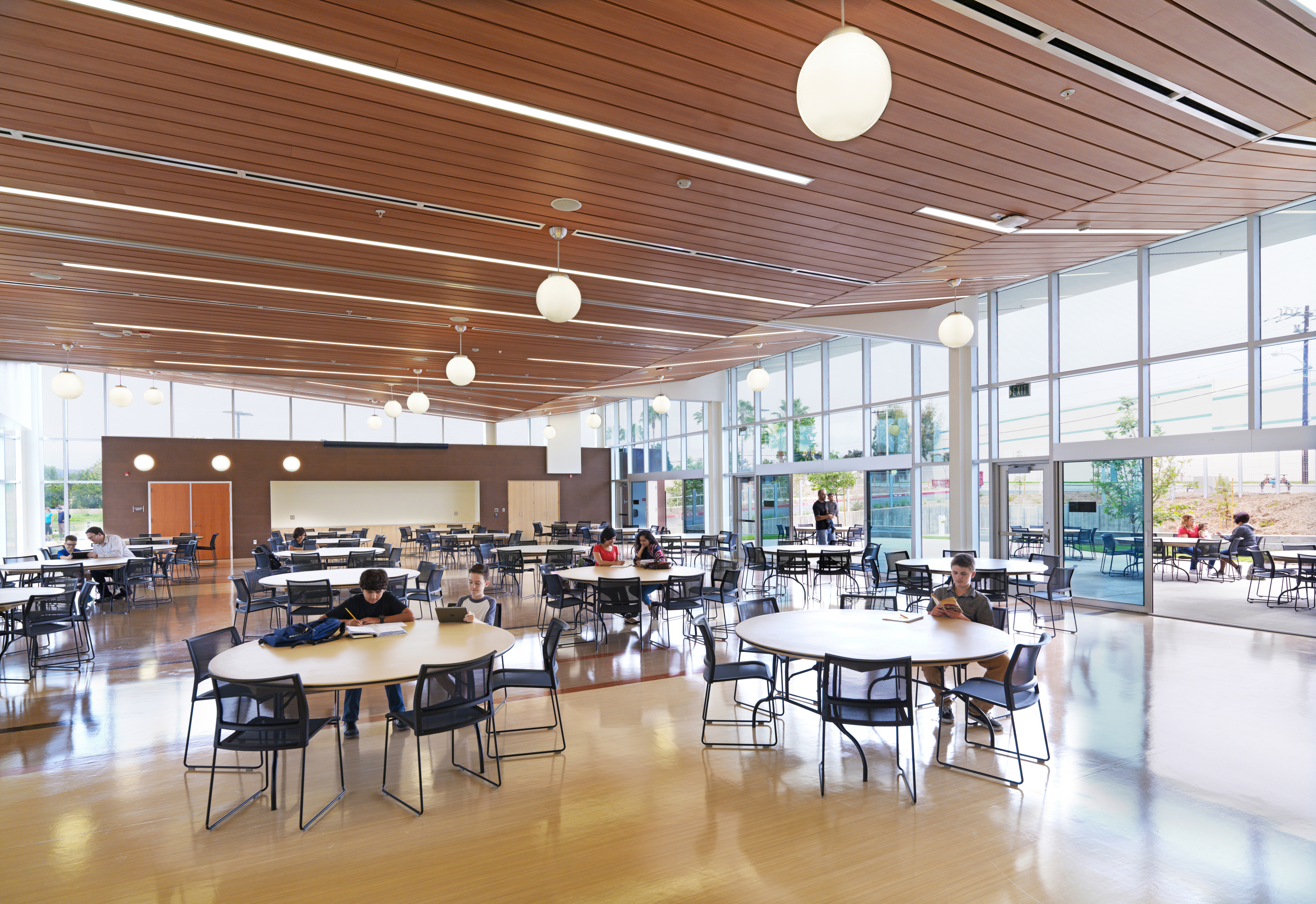
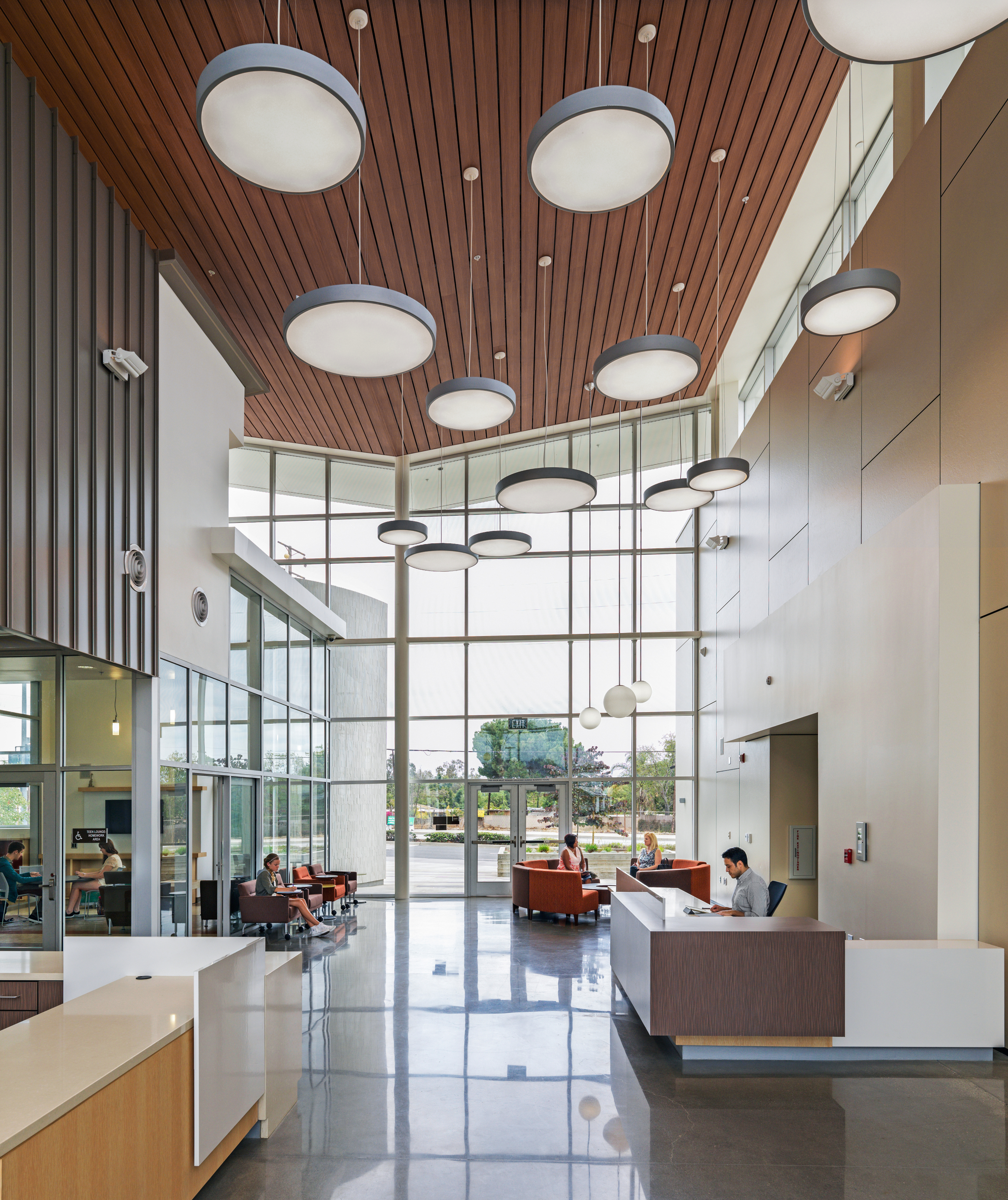
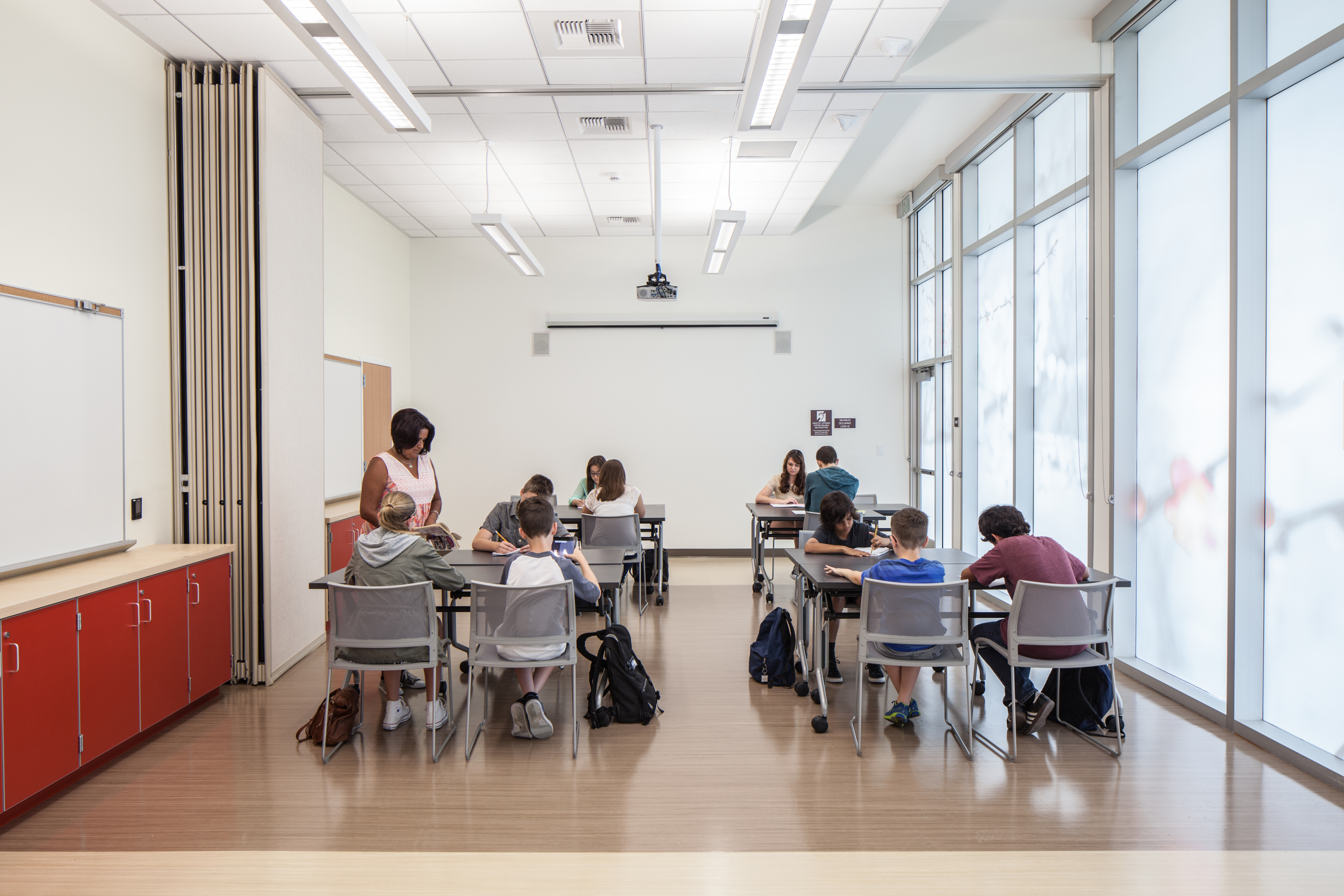
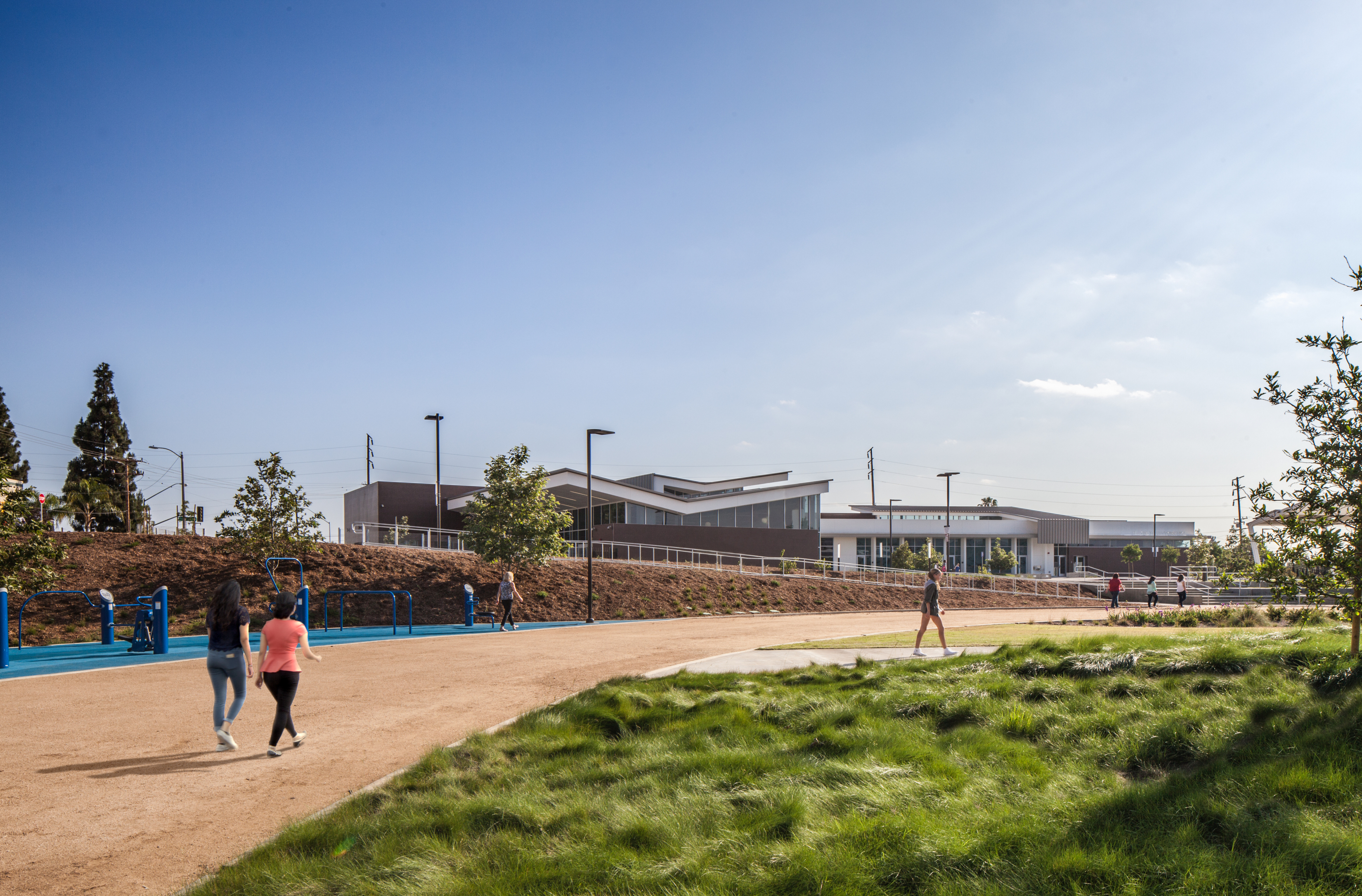
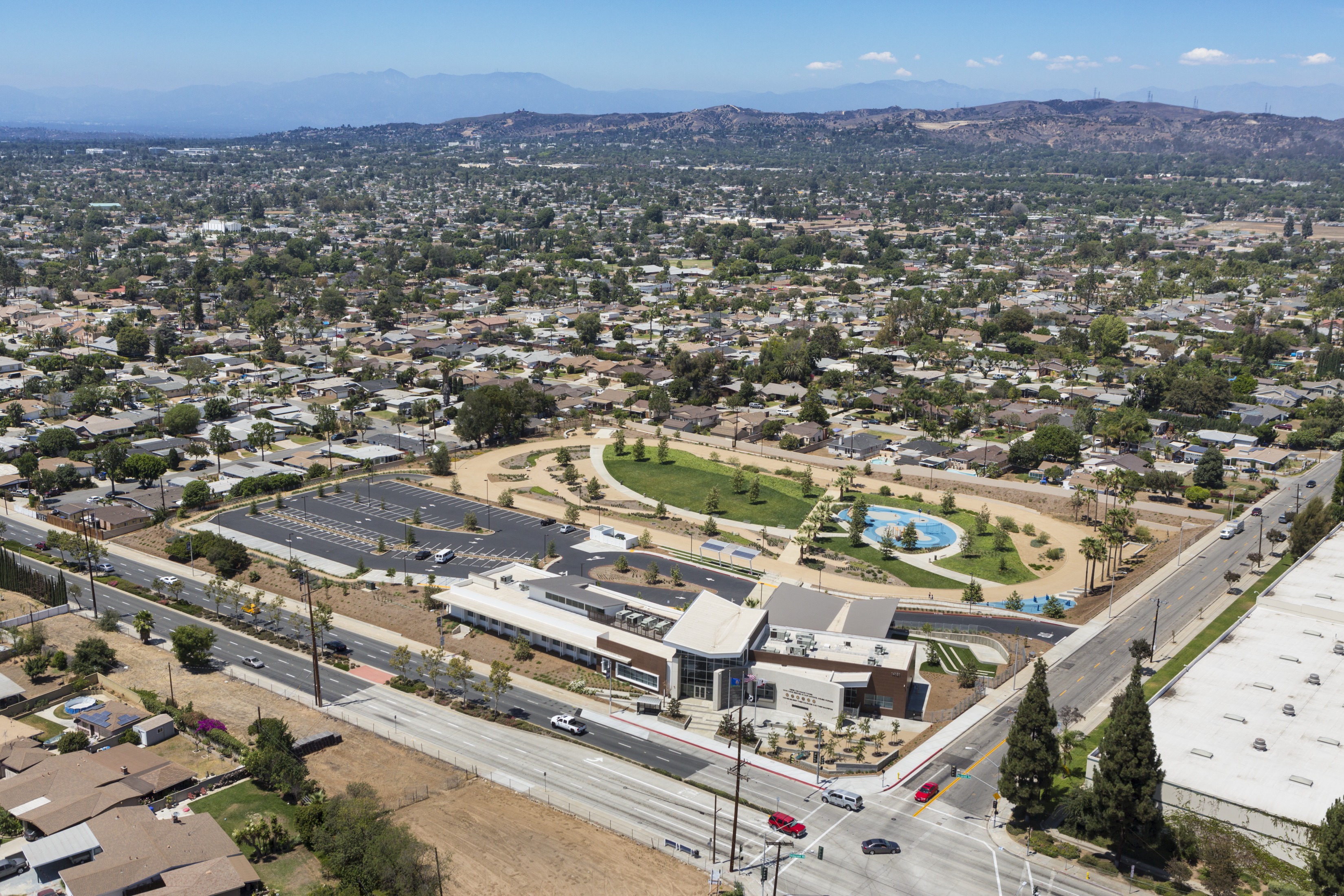
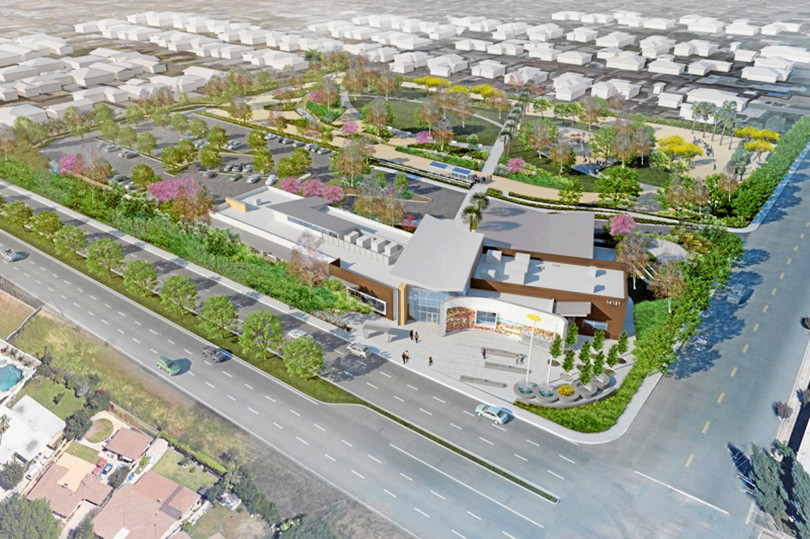
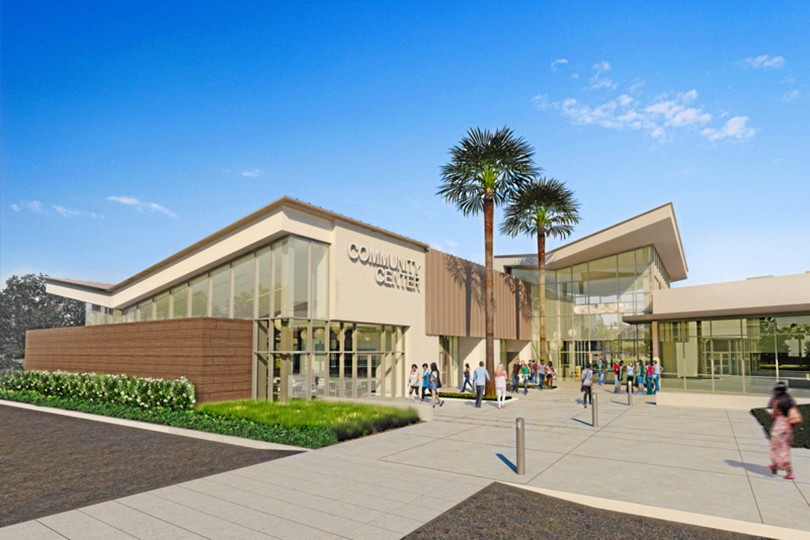
The City of South Whittier, California has had a rich history of its own but lacked a key aspect that many other surrounding cities have managed to do – and that is to provide a central gathering place for residents to enjoy and appreciate. This plaza was designed to unite the citizens of South Whittier in a multifunctional place that can provide educational, recreational, and historical resources for residents to freely engage with.
Before this community center was built, there was outcry from residents of South Whittier for some sort of central gathering place that is designed for everyone. The idea for this multipurpose plaza grew out of the idea of accessibility and a use for all residents. Thus, they built large gardens, walking paths, meeting spaces, classrooms, a game room, a café, and a dedicated area for youth counseling. In addition to allowing residents to freely come and gather, the plaza has areas such as an outdoor amphitheater built into the ground of the park that can accommodate over 200 residents for one of the many organized events that this community center hosts.
Once completed in 2015, residents immediately fled to it and it received a ton of positive reaction from the public, which is actually always a concern about building places like these. A place for everyone means everyone’s opinion matters and the way this place has integrated everything from a veteran’s memorial to a children’s play park shows that places like this do work – and that architects need to evaluate all aspects of how people are to use it in order to develop a truly refined design that satisfies its social responsibility to the public.
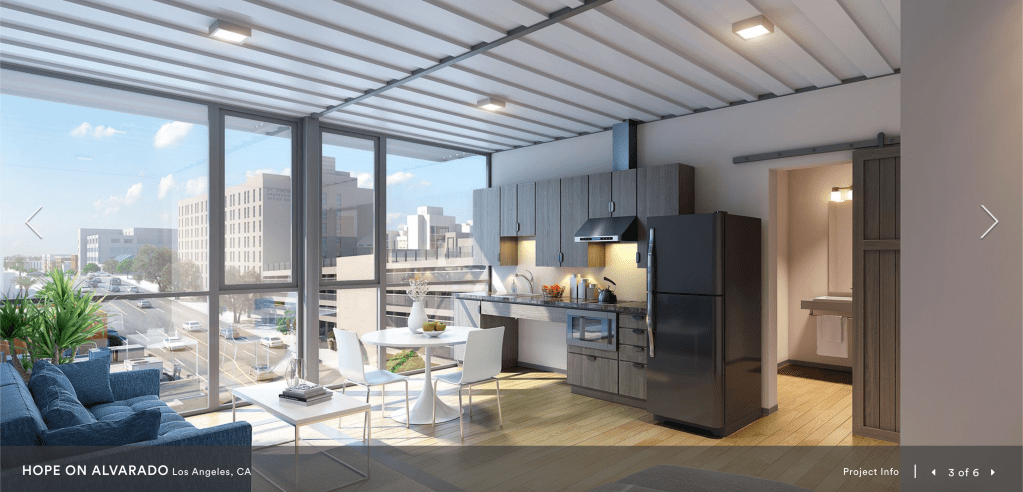
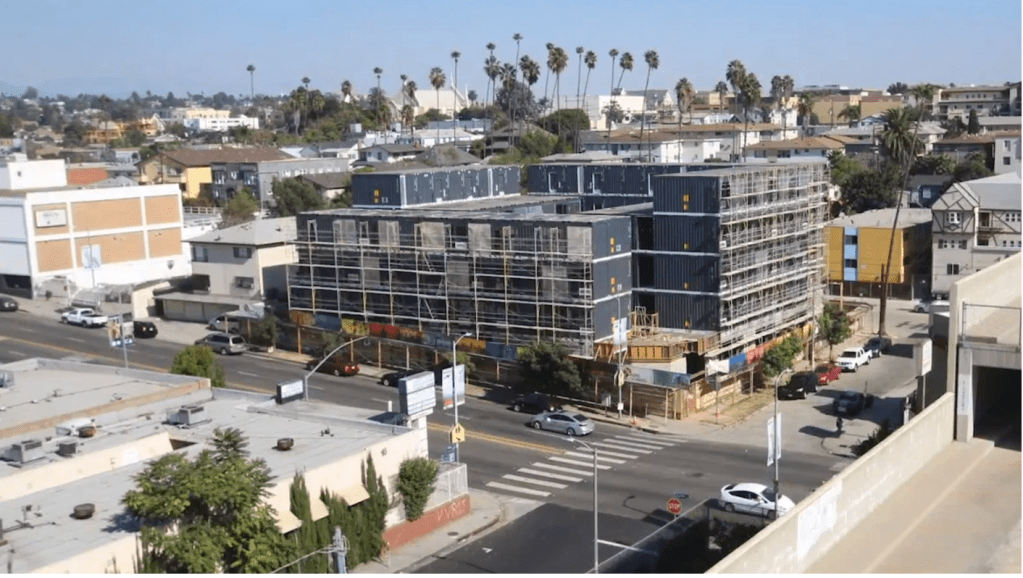
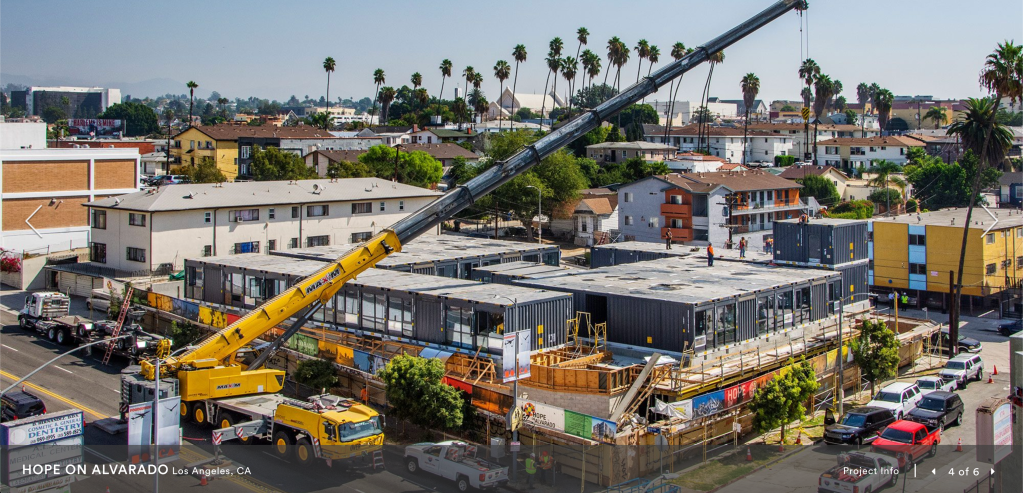
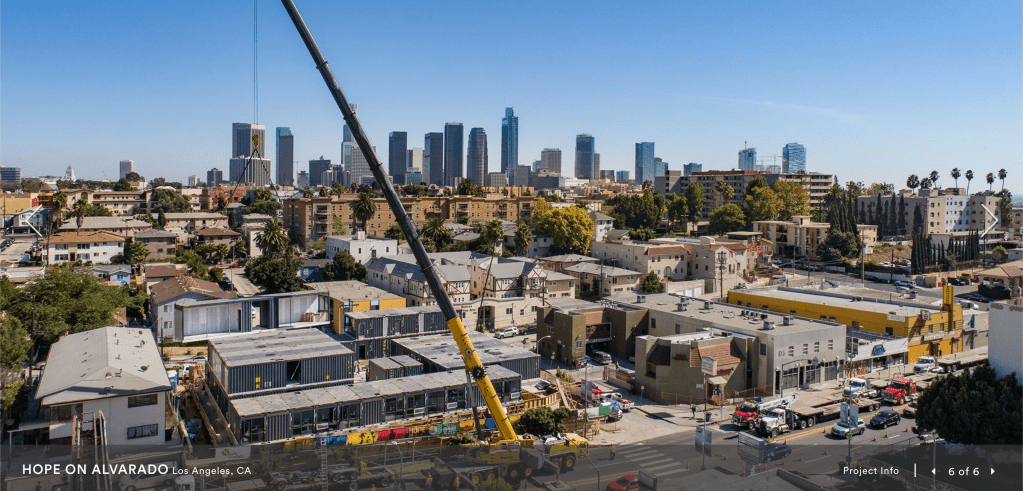
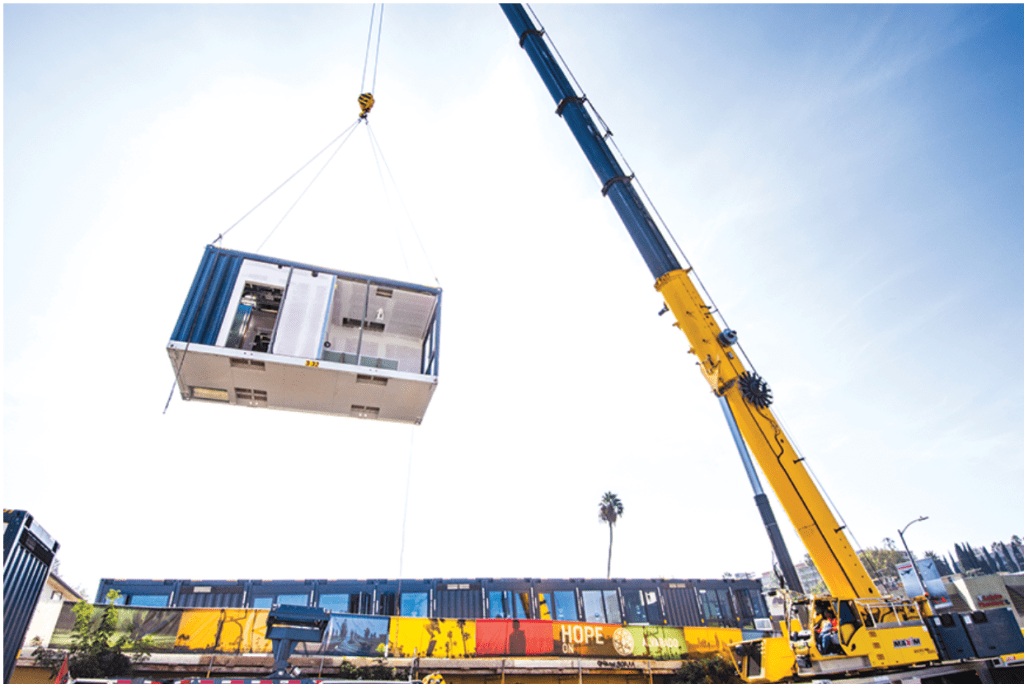
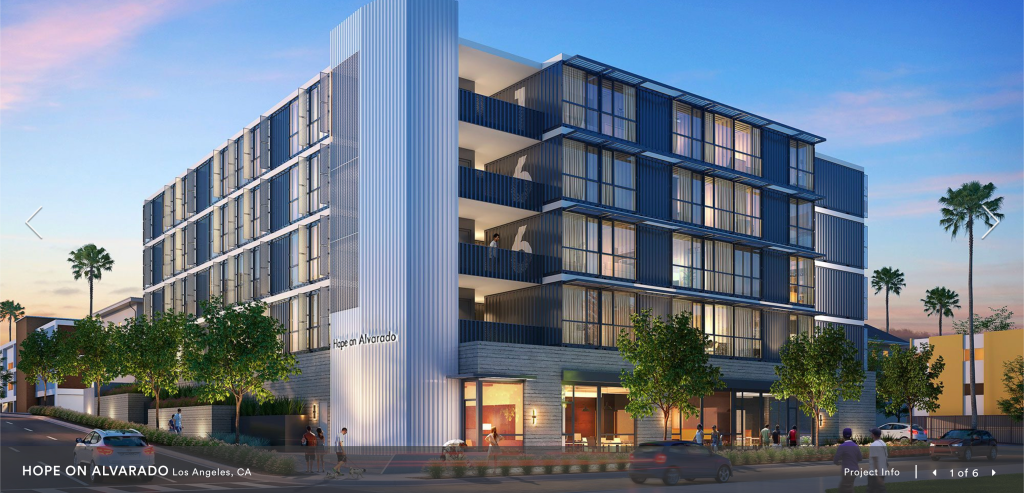
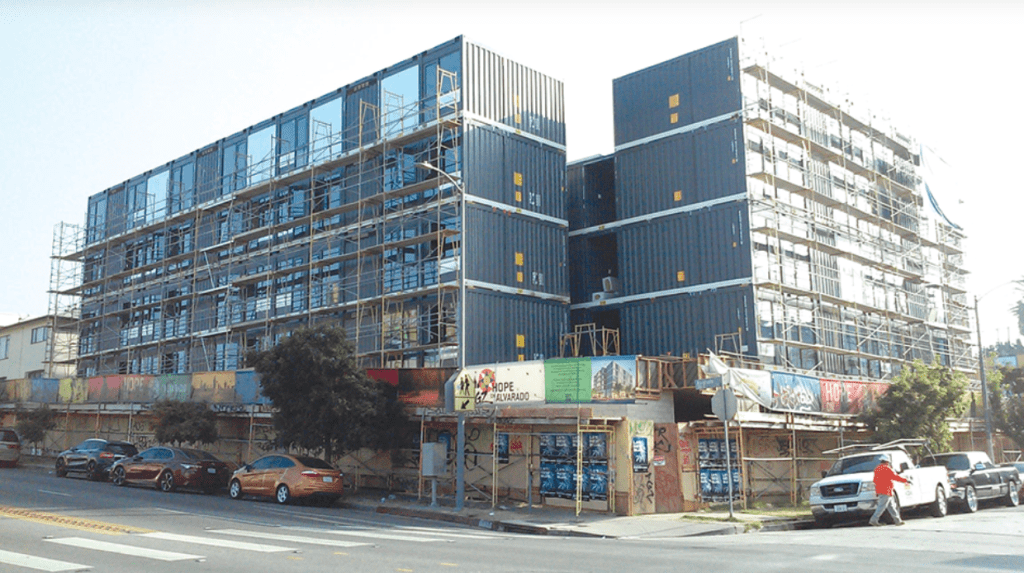
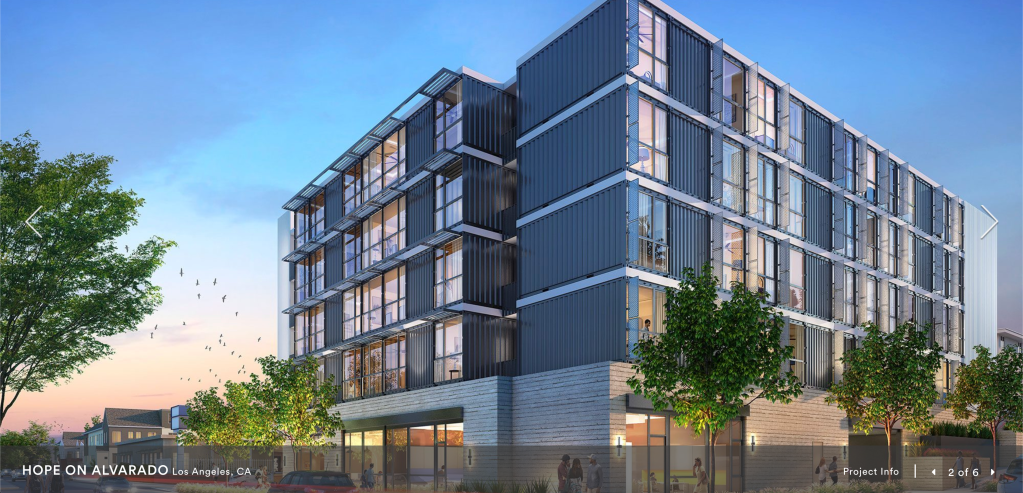
The images above showcase a project called Hope on Alvarado by KTGY Architecture and Planning. This project is based in Los Angeles, and is addressing the staggering homeless population of Los Angeles. The building utilizes preconstructed steel modules resembling shipment crates in order to create a modern and affordable transitional housing community for the homeless population of Los Angeles. The building offers both studio spaces as well as one bedroom apartments. It also is constructed around a central courtyard, which offers tenants a sense of both privacy, and community. The purpose behind the modular nature of the design is to allow construction to occur over a much shorter time span. The modules were being constructed while the foundation for the building was being poured, and continue to be constructed while the ready modules are added to the building. This process continues until the building is finished. With the building being five stories tall, this design process delivers housing as a speed and scale that Los Angeles needs. Another benefit of this modular design is that is meant to be easily replicable. Rather than being a one-off project, it is the first in a series of housing solutions for the homeless of Los Angeles, as well as any place in need of large scale, quickly built housing. This project will help the 44,000+ homeless of Los Angeles, 75% of which remain unsheltered during their search for a home. The project is expected to be completed in 2020.
Pictures and information sourced from: http://ktgy.com/work/hope-on-alvarado/, https://beverlypress.com/2019/11/hope-for-homeless-rising-one-unit-at-a-time/
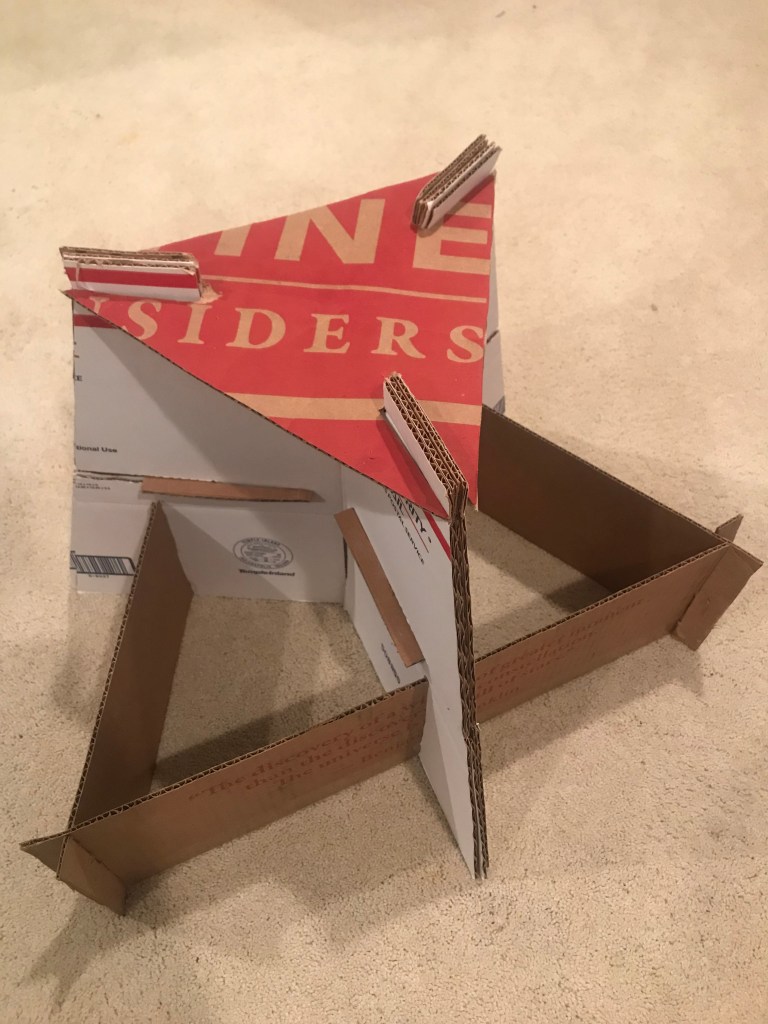

The creation process for my stool started with contemplating the base geometry I wanted to employ, as well as how to supplement that form. In previous stools, I noticed students utilized basic geometric shapes to distribute the weight, such as triangles, square cross hatches, and hexagons. I sought to do the same, but with the goal of creating a stool that resembled a real stool and employed a simplistic design, as my cardboard was limited. My initial sketches brought me to consider two basic forms: a three and a four legged stool. Both would utilize legs of the same geometry, with increasing thickness towards the base.
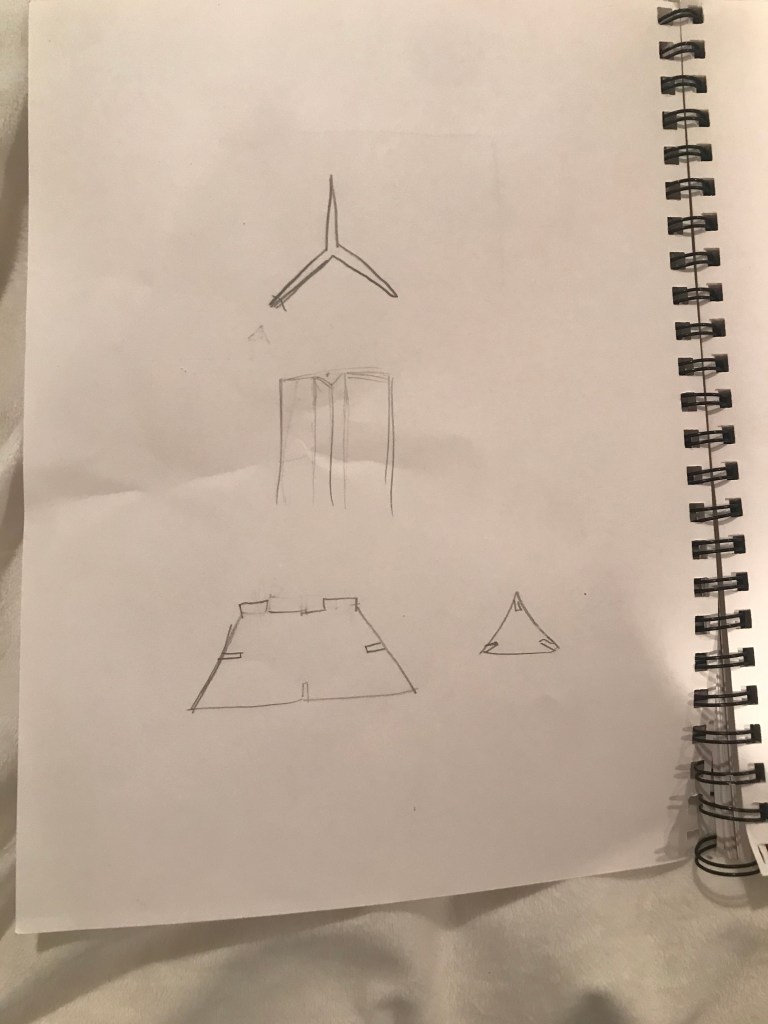
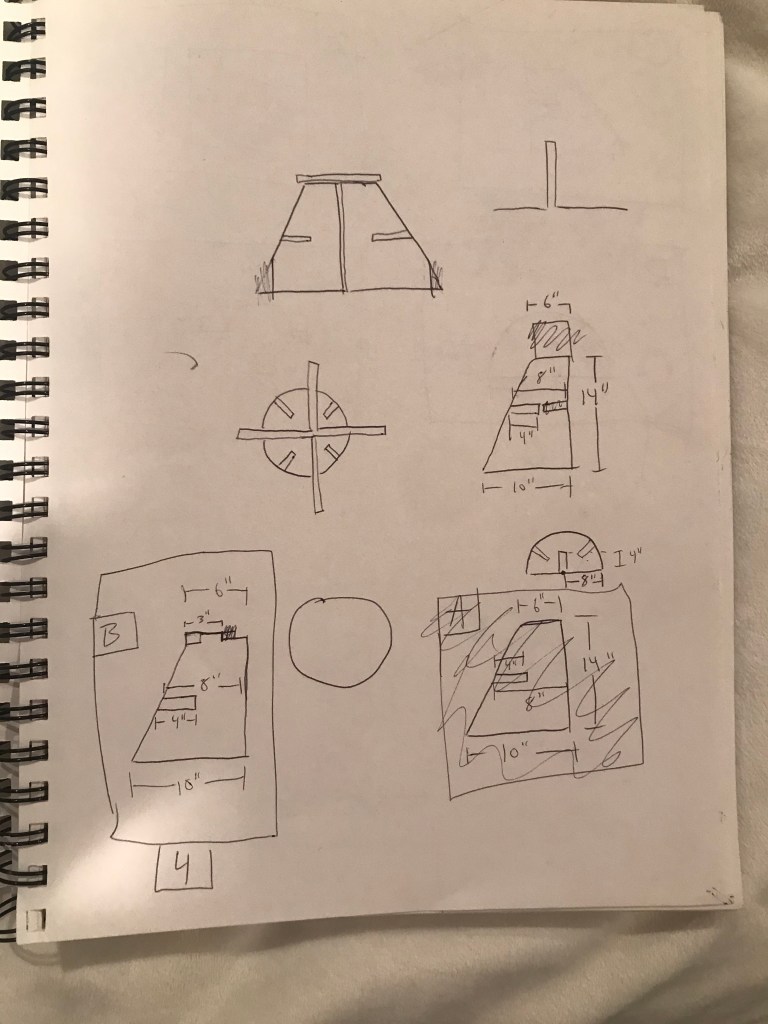
I used USPS boxes to construct the legs, cutting them about their folds to create pieces that were symmetric. This allowed one piece to support two legs of the stool while the range of motion of the joint permitted the use of either the three or four legged model. By taking this approach, I was able to test both iterations to determine which to use. Ultimately, I chose the three legged model as the one less leg allowed me to reenforce the entirety of the design. For each side of the stool, I utilized two of these pieces. As a result, each leg had a thickness of four pieces of cardboard, increasing the strength significantly.


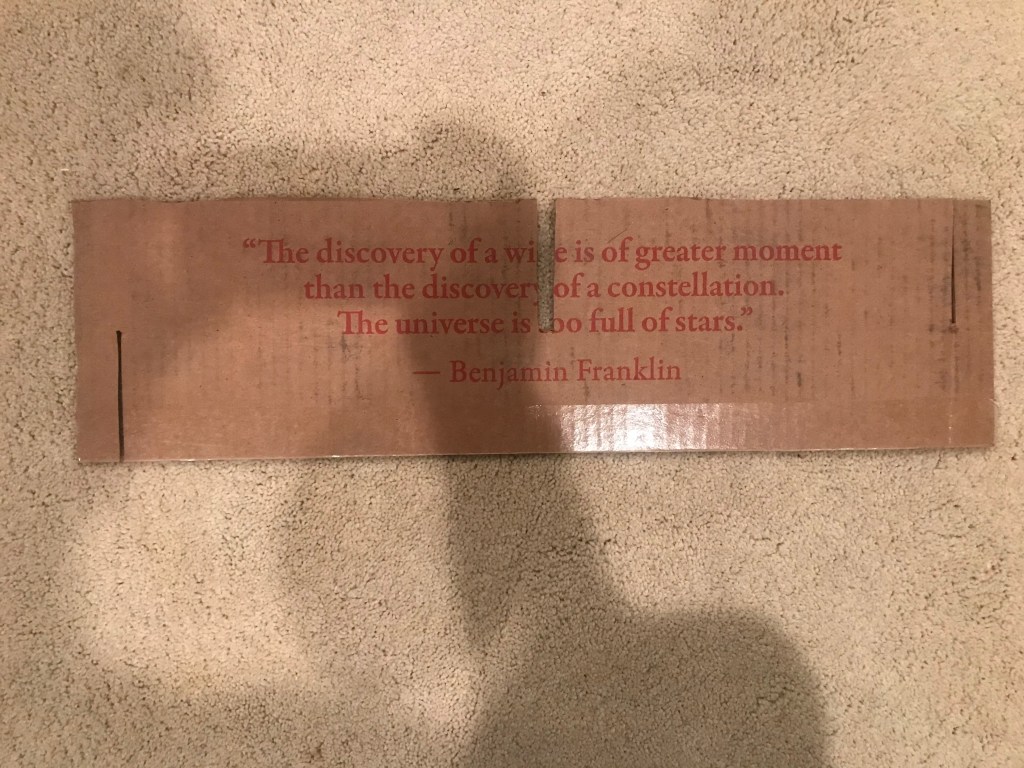
In order to hold the pieces together at each leg, I created small pieces of slotted cardboard, created slots on each sheet, and connected them. Additionally, the seat provided geometric structure for the legs, keeping them properly spaced. After testing, it became clear that more structure was needed. The stool would twist when under force, as the cardboard would bend at the creases in the USPS boxes. To combat this issue, I created a triangular frame from three equally sized pieces of cardboard. By bisecting these pieces with each leg, the stool received the proper structural support and could thus support my weight.
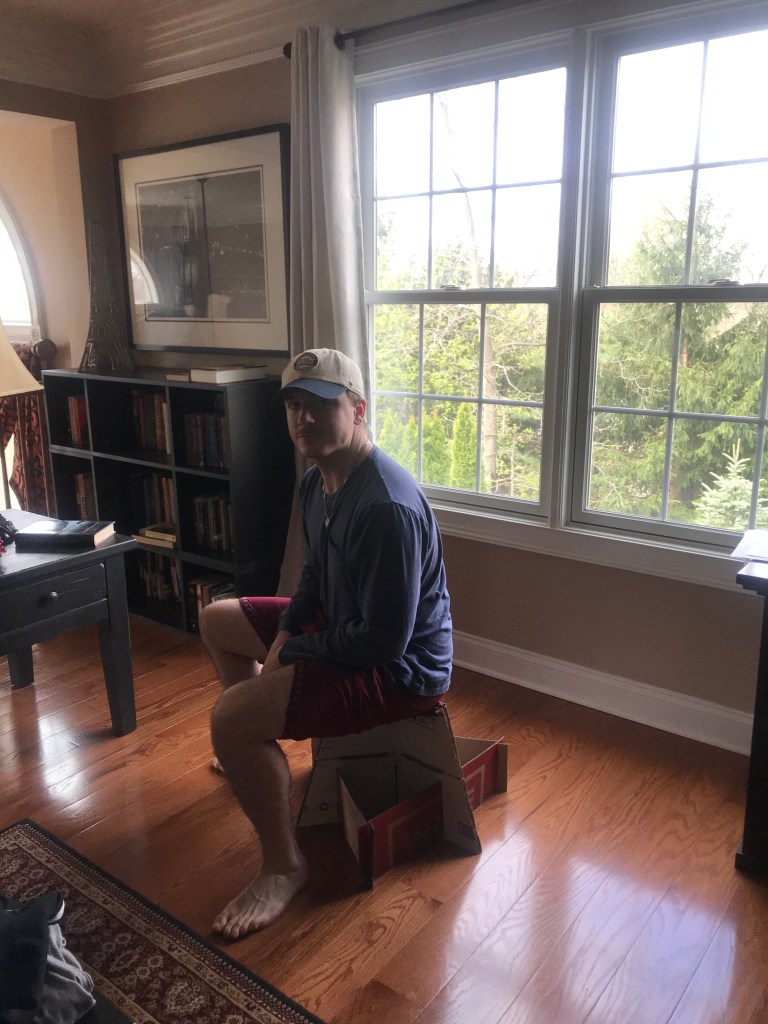
While my design is very minimalist in its aesthetic and structure, it accomplished the necessary task and properly embodied what I set out to create.
 Brian's 212 Understanding Architecture Section


